Zimbabwe ZiG banknotes rollout set to begin April 7
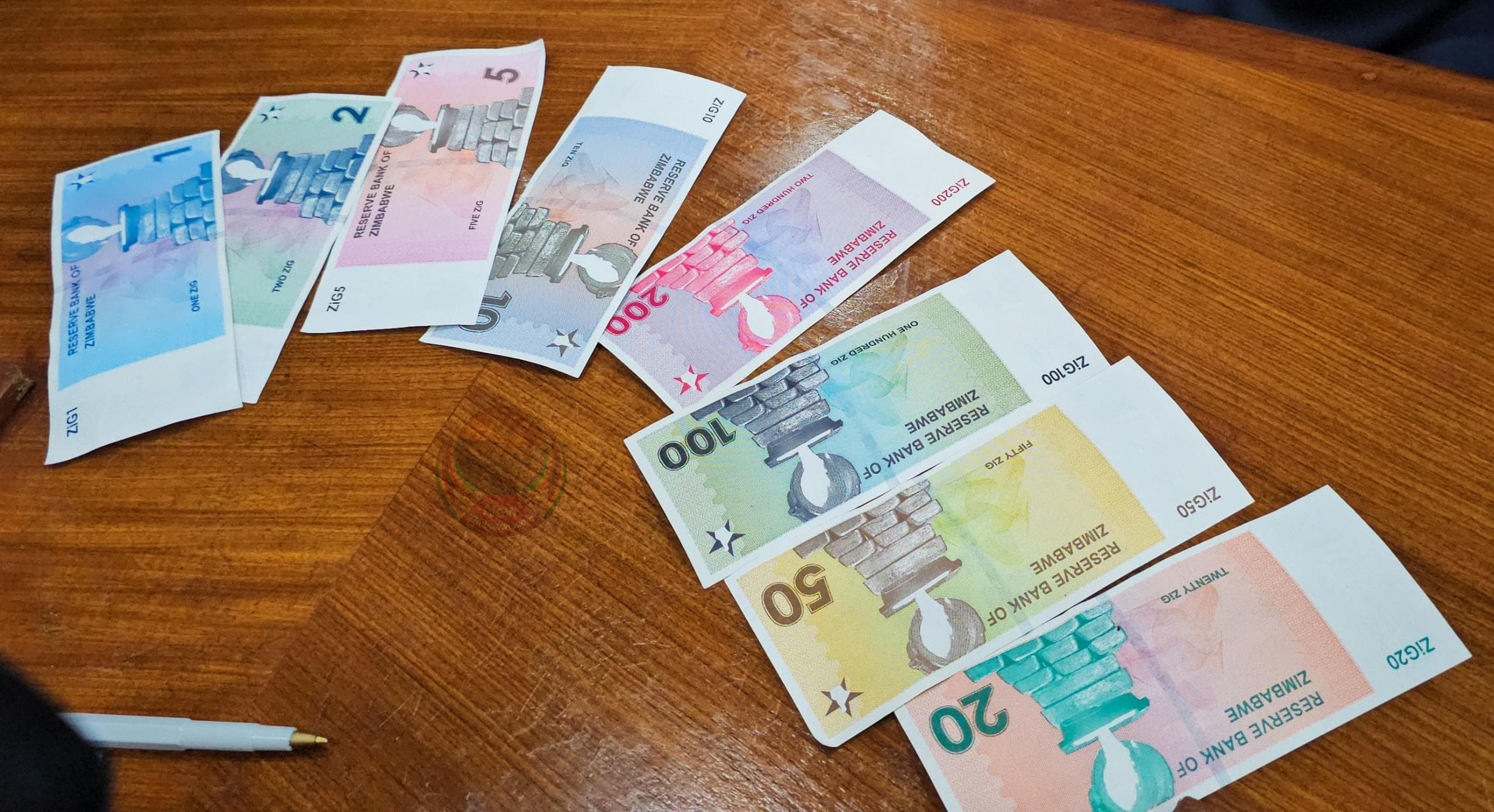
Zimbabwe’s ZiG banknote rollout will officially begin on April 7, 2026, as the Reserve Bank of Zimbabwe (RBZ) introduces new, higher-denomination notes to address cash shortages and improve transaction efficiency across the country.
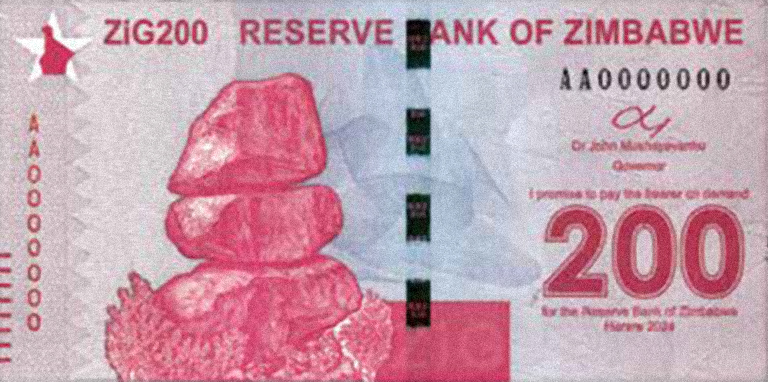
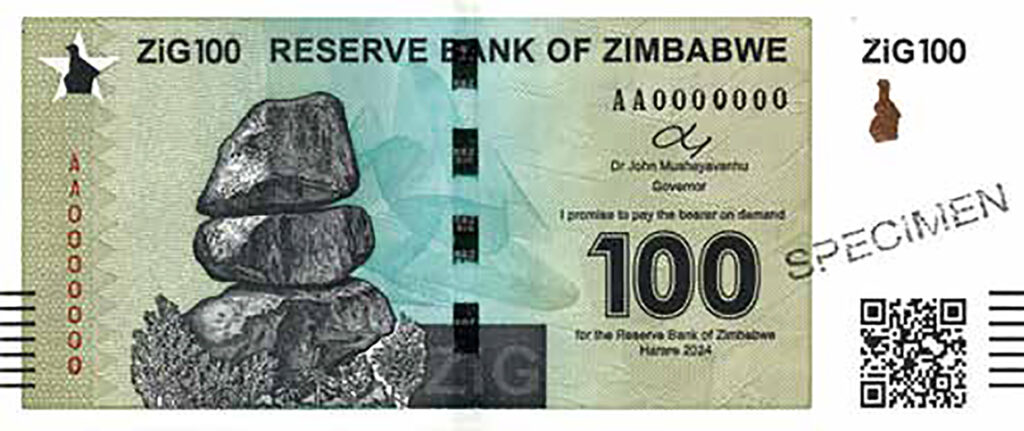
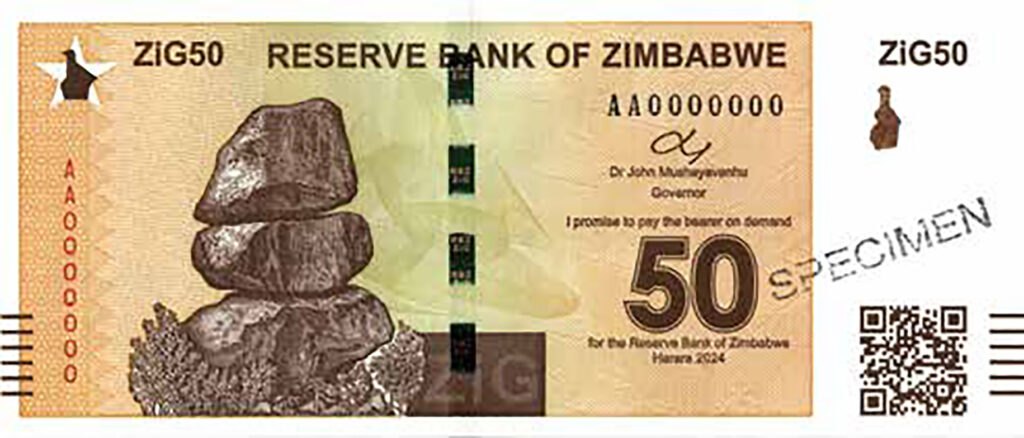
The central bank announced that the Zimbabwe ZiG banknotes rollout will include ZiG50, ZiG100, and ZiG200 denominations. Authorities say the move is part of broader monetary reforms aimed at stabilising Zimbabwe’s financial system and restoring confidence in the local currency.
Why the Zimbabwe ZiG banknotes rollout is happening
The Zimbabwe ZiG banknotes rollout comes amid ongoing challenges with cash availability in the economy. Businesses and consumers have faced persistent shortages, leading to transaction delays and increased reliance on digital payments.
According to the Reserve Bank, the Zimbabwe ZiG banknotes rollout aims to:
- Improve cash circulation across urban and rural areas.
- Reduce transaction bottlenecks in daily commerce.
- Enhance the efficiency of retail and informal market payments.
- Support broader monetary stability measures.
Officials believe that introducing higher denominations will ease pressure on the financial system and reduce the logistical burden of handling lower-value notes.
Addressing Zimbabwe’s cash shortage crisis
The Zimbabwe ZiG banknotes rollout is directly linked to efforts to address the country’s ongoing cash shortage. In recent years, Zimbabwe has struggled with a shortage of physical currency, forcing many citizens to rely heavily on mobile money and electronic transactions.
However, authorities say the Zimbabwe ZiG banknotes rollout will provide much-needed liquidity in physical form, especially for sectors that still depend on cash.
Key challenges the rollout seeks to address include:
- Limited access to banking infrastructure in rural areas
- High transaction costs for digital payments
- Long queues at banks and ATMs
- Informal sector dependence on cash transactions
By increasing the availability of higher-value notes, the Zimbabwe ZiG banknotes rollout is expected to improve everyday economic activities.
How the new ZiG denominations will function
The Zimbabwe ZiG banknotes rollout introduces ZiG50, ZiG100, and ZiG200 notes as part of a structured currency system designed to support both small and large transactions.
The Reserve Bank explained that the Zimbabwe ZiG banknotes rollout will:
- Complement existing lower denominations.
- Reduce the need for carrying large volumes of cash.
- Improve transaction speed in markets and retail settings.
Authorities also emphasised that the design and security features of the new notes will align with international standards to prevent counterfeiting.
Economic implications of the Zimbabwe ZiG banknotes rollout
The Zimbabwe ZiG banknotes rollout is seen as a critical step in Zimbabwe’s broader economic reform agenda. Analysts say the move could influence inflation management, consumer confidence, and the effectiveness of monetary policy.
Economists note that the Zimbabwe ZiG banknotes rollout could have the following impacts:
- Positive effects:
- Improved transaction efficiency
- Increased economic activity in cash-dependent sectors
- Strengthened confidence in the local currency
- Potential risks:
- Public scepticism due to past currency instability
- Inflation concerns if not properly managed
- Pressure on the central bank to maintain discipline
The success of the Zimbabwe ZiG banknotes rollout will largely depend on how well it integrates with existing fiscal and monetary policies.
Public confidence and currency stability
Restoring trust remains a key objective of the Zimbabwe ZiG banknotes rollout, especially given Zimbabwe’s history of currency volatility.
Authorities say the Zimbabwe ZiG banknotes rollout is part of a broader strategy to stabilise the ZiG currency and ensure long-term financial sustainability.
To build confidence, the Reserve Bank has pledged to:
- Maintain transparency in monetary policy.
- Ensure controlled currency issuance.
- Strengthen regulatory oversight
- Promote financial inclusion
Experts argue that consistent policy implementation will be crucial to the credibility of the Zimbabwe ZiG banknotes rollout.
Regional and global context
The Zimbabwe ZiG banknotes rollout reflects a wider trend among emerging economies seeking to strengthen local currencies amid global financial pressures.
Across Africa, several countries are exploring monetary reforms to reduce dependence on foreign currencies. In this context, the Zimbabwe ZiG banknotes rollout positions Zimbabwe as part of a broader regional shift toward economic self-reliance.
However, analysts caution that the Zimbabwe ZiG banknotes rollout must be supported by strong economic fundamentals, including:
- Stable inflation rates
- Sustainable fiscal policies
- Increased production and exports
Without these, the benefits of the rollout may be limited.
What happens next
As the April 7 launch date approaches, the Zimbabwe ZiG banknotes rollout will be closely monitored by businesses, financial institutions, and international observers.
The Reserve Bank has indicated that the Zimbabwe ZiG banknotes rollout will be phased to ensure smooth distribution and minimal disruption.
Key expectations include:
- Gradual circulation of new notes across the country
- Public awareness campaigns on usage and security features
- Monitoring of market response and liquidity levels
The coming weeks will be critical in determining whether the Zimbabwe ZiG banknotes rollout achieves its intended goals.
Conclusion
The Zimbabwe ZiG banknotes rollout marks a significant milestone in Zimbabwe’s ongoing efforts to stabilise its monetary system and improve economic efficiency.
While the introduction of higher denominations offers practical solutions to cash shortages, the long-term success of the Zimbabwe ZiG banknotes rollout will depend on policy consistency, public trust, and broader economic stability.
For now, the rollout represents a cautious but important step toward rebuilding confidence in Zimbabwe’s financial future.
About the Author