Saleh Mamman Fraud Case Exposes Deep Questions About Nigeria’s Power Sector
A corruption scandal tied to projects meant to improve electricity supply for millions of Nigerians has ended in one of the country’s most significant prison sentences involving a former cabinet minister.
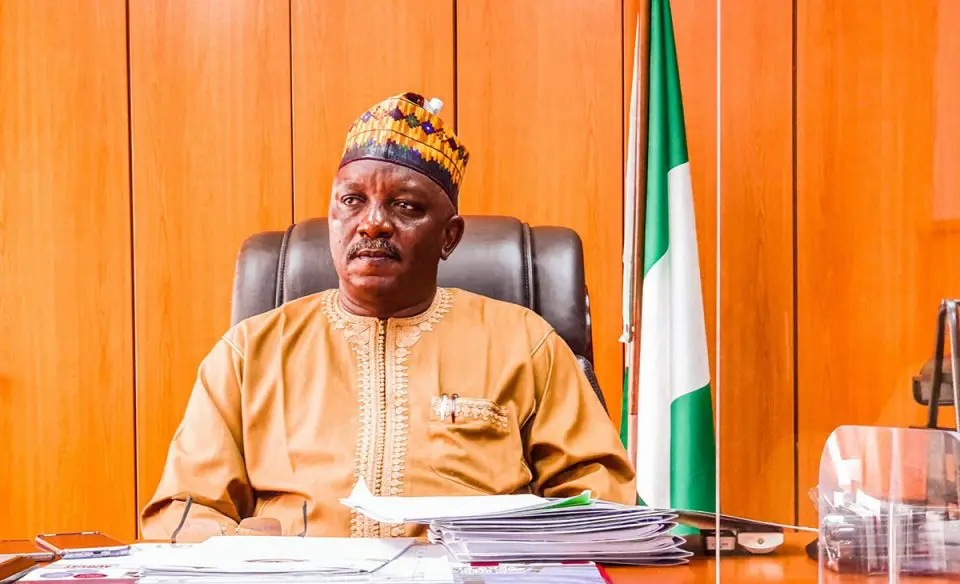
The Saleh Mamman fraud case reached a dramatic conclusion after the Federal High Court in Abuja sentenced the former Minister of Power to a cumulative 75 years imprisonment over money laundering offences linked to ₦33.8 billion associated with the Zungeru and Mambilla hydroelectric power projects.
Justice James Omotosho convicted Mamman on 12 counts filed by the Economic and Financial Crimes Commission (EFCC), ruling that the former minister was guilty of conspiracy and money laundering connected to funds allegedly diverted during his time in office.
The judgment immediately intensified debate around corruption, infrastructure management, and Nigeria’s long-running electricity crisis.
The court also directed security agencies, including Interpol, to arrest Mamman wherever he is found after he failed to appear during sentencing proceedings.
Why The Saleh Mamman Fraud Case Matters
The case is not simply about the conviction of a former public official.
It directly touches on Nigeria’s fragile electricity system and years of public frustration over poor power supply despite billions of naira spent on infrastructure development.
For many Nigerians, the Zungeru and Mambilla projects symbolised hope for:
- improved electricity generation,
- lower dependence on fuel-powered generators,
- industrial growth,
- and economic expansion.
Instead, the projects became associated with delays, funding disputes, and allegations of financial misconduct.
The Saleh Mamman fraud case has therefore become a broader national conversation about whether public funds allocated to strategic infrastructure projects are properly managed.
Energy analysts say allegations surrounding major electricity projects damage investor confidence and weaken trust in government institutions.
The ruling also arrives at a time when Nigerians continue facing:
- unstable electricity supply,
- rising energy costs,
- and worsening pressure on businesses dependent on private generators.
Court Convicts Former Minister On All Counts
Justice James Omotosho ruled that prosecutors successfully established their case against the former minister after months of proceedings.
The EFCC accused Mamman of conspiring with ministry officials and private companies to divert funds connected to the hydroelectric projects.
According to court proceedings:
- The EFCC called 17 witnesses,
- tendered 43 exhibits,
- and presented financial evidence linked to alleged laundering activities.
The court imposed:
- seven years imprisonment on multiple counts,
- three years imprisonment on one count with an option of a ₦10 million fine,
- and two years imprisonment on another count.
Justice Omotosho ordered the sentences to run consecutively, resulting in a combined 75-year prison term.
The court further ruled that the sentence would begin from the date Mamman was arrested because he was convicted in absentia.
Interpol Asked To Help Arrest Mamman
One of the most dramatic aspects of the case involved the court’s order directing both Nigerian and international security agencies to locate and arrest the former minister.
The judge instructed:
- security agencies within Nigeria,
- international authorities,
- and Interpol
to apprehend Mamman wherever he may be found.
The court held that his repeated absence from proceedings showed deliberate attempts to obstruct justice.
As of the time of reporting, details regarding his exact location remained unclear.
Asset Forfeiture And Financial Recovery Orders
The Federal High Court also approved final forfeiture orders involving assets allegedly connected to the case.
The confiscated assets reportedly include:
- properties located in Abuja,
- funds recovered in multiple currencies,
- and other traced assets linked to the alleged scheme.
Justice Omotosho additionally ordered the recovery of outstanding balances connected to the ₦33.8 billion allegedly diverted from the projects.
The asset recovery dimension of the Saleh Mamman fraud case is expected to remain a major focus for anti-corruption authorities.
How The EFCC Built The Case
The EFCC began intensifying investigations into Mamman in 2021.
The anti-graft agency alleged that funds meant for strategic electricity infrastructure projects were unlawfully diverted through multiple financial transactions.
Mamman was formally arraigned in July 2024 before the Federal High Court in Abuja.
He pleaded not guilty to all charges.
The prosecution later argued that:
- bank transactions,
- financial records,
- witness testimony,
- and traced assets
supported allegations of money laundering and conspiracy.
After prosecutors closed their case, Mamman’s legal team filed a no-case submission in November 2025.
The defence argued that the EFCC failed to establish sufficient evidence requiring the former minister to open a defence.
However, Justice Omotosho dismissed the application in December 2025.
The judge ruled that prosecutors had established a prima facie case requiring a response from the defendant.
Timeline Of The Saleh Mamman Fraud Case
2019
Saleh Mamman was appointed Minister of Power under former President Muhammadu Buhari’s administration.
2021
The EFCC arrested and detained Mamman amid investigations into alleged financial misconduct linked to power projects.
2024
The former minister was arraigned before the Federal High Court in Abuja on multiple counts involving conspiracy and money laundering.
2025
The court dismissed his no-case submission after finding that the prosecution established sufficient evidence.
2026
Justice James Omotosho convicted and sentenced Mamman to 75 years’ imprisonment.
Why The Mambilla And Zungeru Projects Matter
The Mambilla Hydroelectric Power Project has long been considered one of Africa’s largest proposed hydroelectric facilities.
The Zungeru Hydroelectric Power Project was also expected to significantly improve Nigeria’s generation capacity.
Successive governments promoted both projects as critical to:
- economic growth,
- manufacturing expansion,
- industrial development,
- and national electricity stability.
However, delays and controversies surrounding the projects have repeatedly triggered public criticism.
The Saleh Mamman fraud case has now placed both projects back at the centre of Nigeria’s corruption debate.
Infrastructure experts argue that allegations involving strategic power projects can affect:
- investor confidence,
- international financing,
- and future infrastructure partnerships.
The case has also increased pressure on government agencies responsible for monitoring public procurement and contract implementation.
Wider Political Implications
Political analysts say the conviction may increase scrutiny on former officials connected to major public spending programs.
Although the court proceedings focused specifically on Mamman and the evidence presented against him, observers believe the judgment could encourage broader anti-corruption reviews involving infrastructure projects.
The EFCC has repeatedly defended aggressive prosecution strategies as necessary to discourage misuse of public funds.
The case also arrives amid growing public concern over transparency and accountability within government institutions.
Some Nigerians described the judgment as a major anti-corruption victory.
Others questioned whether criminal prosecutions alone can solve the country’s deeper governance and infrastructure challenges.
Possibility Of Appeal
Legal analysts note that convicted defendants retain constitutional rights to challenge court judgments through appellate procedures.
As of publication, details regarding possible appeal plans had not been publicly confirmed.
It also remains unclear whether defence lawyers intend to challenge aspects of the in absentia conviction.
According to reports by Sahara Reporters and Channels Television, the case is already being viewed as one of Nigeria’s biggest corruption convictions involving a former cabinet official.
For millions of Nigerians struggling with poor electricity supply, the Saleh Mamman fraud case represents more than a legal battle.
It has become a symbol of the broader national debate over governance, infrastructure accountability, and whether public officials entrusted with strategic projects can be held accountable under the law.
Recommended Coverage
- EFCC Chairman’s Anti-Corruption Claims Face New Scrutiny — The growing number of high-profile corruption prosecutions continues to shape Nigeria’s accountability debate.
- Timipre Sylva Properties Face EFCC Forfeiture Moves — Another politically sensitive anti-corruption case involving asset forfeiture and EFCC investigations.
- Yahaya Bello Trial Draws Fresh Public Attention — The ongoing legal battles surrounding former state officials continue to dominate national political discussions.
- Nigeria’s Economy Faces Pressure Amid Governance Debate — Economic pressures and governance concerns remain central to public discourse in Nigeria.
About the Author