Israel Lebanon Conflict Deepens Despite US Truce
A ceasefire exists on paper, but the battlefield tells another story.
The Israel Lebanon Conflict has entered a dangerous new phase despite a US-mediated truce that was supposed to calm tensions along the volatile border. Over the past 24 hours, Israeli airstrikes intensified across southern Lebanon while Hezbollah launched multiple drone and rocket attacks against Israeli military positions, raising fears that the fragile agreement is rapidly collapsing.
The renewed escalation comes amid growing regional instability, stalled diplomatic negotiations, and increasing humanitarian concerns in Lebanon, where thousands of civilians have already been displaced by months of fighting.
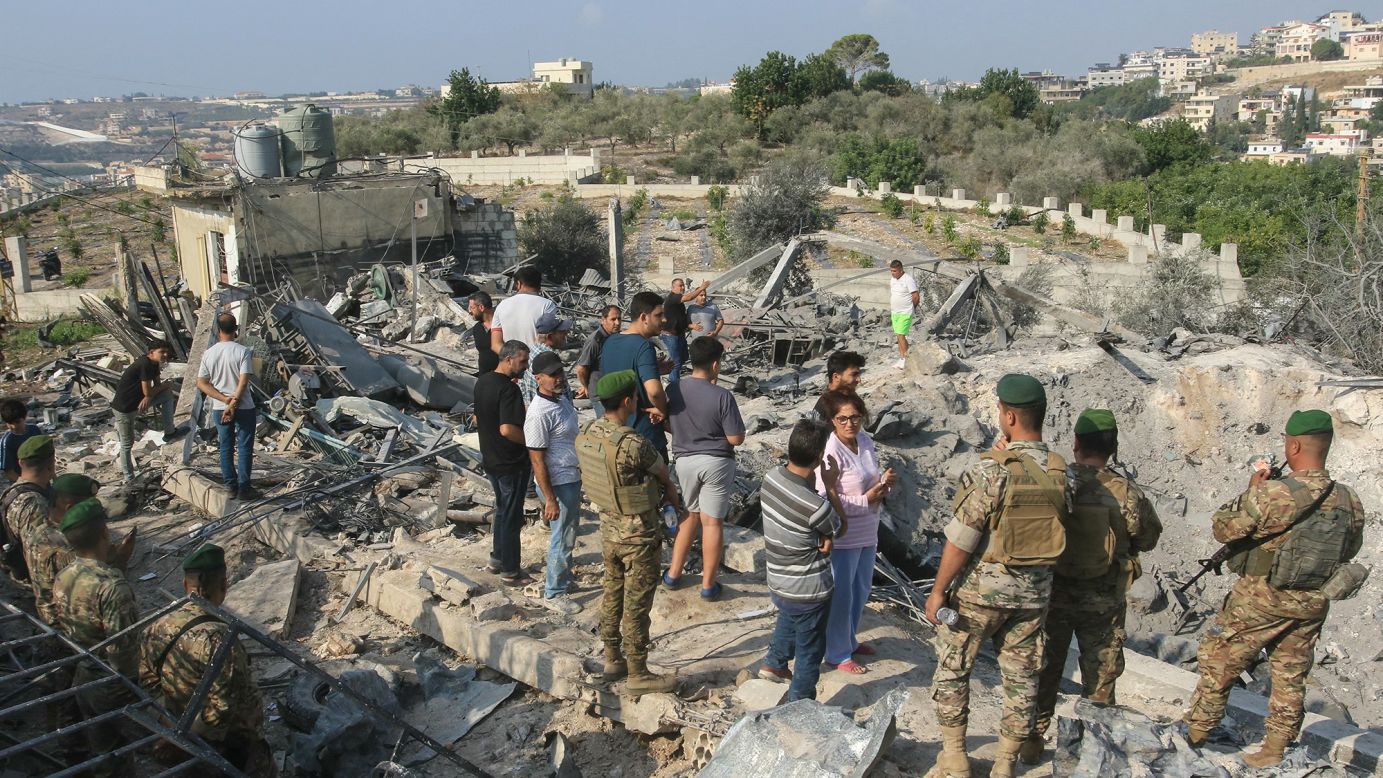
Israeli forces reportedly carried out more than 50 airstrikes targeting dozens of locations believed to be linked to Hezbollah operations. Lebanese officials and local media said several areas, including Beirut’s southern suburbs, Nabatiyeh, Saksaki, and Bedas, were hit during the bombardment.
At the same time, Hezbollah announced that it had conducted 22 operations using drones, rockets, and guided missiles targeting Israeli troop positions and armoured units near the border.
The latest violence underscores how the Middle East ceasefire effort backed by Washington is struggling to survive under mounting military and political pressure.
Why the Israel–Lebanon Ceasefire Is Failing
The current ceasefire was designed to reduce cross-border attacks and create room for broader regional negotiations. However, both sides continue to accuse each other of violating the agreement.
Analysts believe the truce lacks the political trust and enforcement mechanisms necessary to prevent renewed violence. Israel says it must continue military operations to stop Hezbollah from strengthening positions near its northern border, while Hezbollah argues that Israeli strikes inside Lebanon amount to continued aggression.
This suggests the ceasefire was less a permanent settlement and more a temporary pause in a much larger regional confrontation involving Iran, the United States, and armed groups aligned across the Middle East.
The escalation also reflects wider tensions connected to Iran’s regional influence. US President Donald Trump recently criticised Tehran’s response to a broader peace proposal aimed at reducing conflict across the region, including Lebanon.
According to reports from both regional and international media, negotiations linked to the wider crisis have stalled significantly in recent days.
For additional background on the fragile truce between Israel and Hezbollah, readers can also revisit DSG HERALD’s earlier analysis on the Israel-Hezbollah ceasefire breakthrough.
Israel Intensifies Airstrikes in Southern Lebanon
Israeli air operations have expanded considerably in recent weeks, with strikes targeting infrastructure, suspected militant positions, and border areas in southern Lebanon.
Lebanese authorities said at least 39 people were killed in one day of strikes alone, including paramedics and children. Several residential neighbourhoods reportedly suffered damage, while emergency services struggled to reach some affected communities.
The escalation indicates that Israel is attempting to weaken Hezbollah’s operational capabilities before any future diplomatic settlement takes shape.
Military analysts say Israel’s strategy appears focused on:
- disrupting Hezbollah logistics,
- limiting drone-launch capabilities,
- and reducing militant presence near border communities.
However, the continued Lebanon Airstrikes have also intensified international concerns over civilian casualties and humanitarian suffering.
According to reporting by The New York Times, Israeli strikes have increasingly targeted areas beyond immediate border zones, signalling a broader military campaign despite the truce agreement.
Hezbollah Expands Drone and Rocket Operations
Hezbollah has significantly expanded its use of drones and precision-guided weapons during the latest phase of the conflict.
The group claimed responsibility for 22 attacks conducted on May 9, targeting Israeli troop concentrations and armoured vehicles near the border.
Israeli authorities confirmed that a 47-year-old soldier was killed during combat operations near the frontier, while additional reservists were reportedly injured in earlier drone attacks.
The growing reliance on unmanned aerial systems has changed the tactical dynamics of the conflict. Drone warfare now plays a central role in reconnaissance, targeting, and psychological operations on both sides.
DSG HERALD previously examined how evolving battlefield technologies are reshaping the war in its report on fibre-optic drone warfare and Israeli defence gaps.
The increased use of drones also highlights how non-state actors such as Hezbollah are adapting rapidly to modern warfare conditions.
Civilian Death Toll Continues to Rise
The humanitarian crisis inside Lebanon continues to worsen as violence spreads across populated areas.
Since March 2, 2026, approximately 2,795 people have reportedly been killed in Lebanon, while nearly one-fifth of the country’s population has been displaced.
Hospitals and emergency response systems are facing growing pressure as infrastructure damage disrupts transportation, electricity, and communications networks.
Families in southern Lebanon have increasingly fled villages close to the Israeli border, fearing further escalation. Schools in some areas have reportedly suspended activities, while businesses remain closed amid persistent insecurity.
Human rights organisations have repeatedly warned that continued attacks on civilian infrastructure risk deepening an already severe humanitarian emergency.
The conflict is also worsening Lebanon’s economic crisis, which had already strained public services and weakened state institutions before the latest fighting erupted.
US Peace Efforts Face Major Setback
Washington has attempted to position itself as the main mediator capable of preventing a wider regional war. However, recent developments suggest diplomatic momentum is fading.
President Donald Trump recently described Iran’s response to a regional peace initiative as unacceptable, increasing uncertainty surrounding future negotiations.
High-level talks involving Lebanese and Israeli representatives are expected to take place in Washington this week. Diplomats hope the discussions could revive parts of the ceasefire framework and reduce immediate military tensions.
Still, several analysts believe the negotiations face major obstacles because neither side appears willing to make significant concessions.
The Israel Lebanon Conflict has become increasingly tied to broader US-Iran tensions, regional alliances, and strategic competition across the Middle East.
DSG HERALD recently explored these wider geopolitical pressures in its report on US-Iran tensions and stalled negotiations.
Could the Conflict Trigger a Wider Regional War?
One of the biggest international concerns is whether the Israel Lebanon Conflict could evolve into a broader regional confrontation.
The ongoing fighting has heightened fears of:
- expanded Iranian involvement,
- attacks on regional shipping routes,
- energy market disruptions,
- and growing instability across neighbouring countries.
Security analysts warn that prolonged violence along the Israel-Lebanon border increases the possibility of miscalculation, particularly as multiple armed groups and international actors remain involved.
The situation also places pressure on global diplomatic alliances. Western governments continue pushing for de-escalation, while regional actors closely monitor developments that could reshape security dynamics across the Middle East.
The strategic importance of the conflict extends beyond Lebanon and Israel because it intersects with larger geopolitical struggles involving Iran, Gulf states, and global powers.
According to Al Jazeera’s live regional coverage, international concern has intensified over the possibility that continued escalation could destabilise wider parts of the region.
What to Expect From Washington Talks
The upcoming negotiations in Washington may represent one of the last opportunities to stabilise the current ceasefire before violence escalates further.
Diplomatic discussions are expected to focus on:
- Border security arrangements,
- Military de-escalation,
- Humanitarian access,
- and mechanisms for monitoring ceasefire violations.
However, details surrounding the negotiations remain unclear.
The talks will likely test whether the United States can still exert enough influence to prevent the Israel-Lebanon conflict from spiralling into a prolonged regional crisis.
For now, the battlefield reality suggests that military escalation continues to outpace diplomatic progress.
As civilian casualties rise and regional tensions deepen, the fragile truce appears increasingly difficult to sustain.
Recommended Coverage:
- Will World War 3 Happen? Global Tensions Explained
This analysis explores how escalating conflicts in the Middle East and Eastern Europe are fueling fears of a broader global confrontation. - Jerusalem’s Historical Role in the Middle East Conflict
A deeper look at the religious, political, and historical tensions shaping the modern Israel-Palestine and regional conflicts. - US-Iran Ceasefire Crisis Raises Diplomatic Concerns
This report examines how stalled diplomacy between Washington and Tehran is affecting regional stability. - Strait of Hormuz Tensions and Global Security Risks
Coverage of growing maritime security concerns and the economic implications of Middle East instability.
About the Author