Ebola Outbreak Nears 900 Cases in DRC and Uganda
The Ebola outbreak spreading across the Democratic Republic of the Congo (DRC) and neighbouring Uganda has escalated rapidly, reaching 894 confirmed infections and 204 deaths within weeks of its official declaration, prompting the World Health Organization (WHO) to classify the crisis as a Public Health Emergency of International Concern (PHEIC). The outbreak is being driven by the rare Bundibugyo virus strain, a species of Ebola for which no approved vaccine or specific treatment currently exists.
Health authorities say the outbreak represents one of Africa’s most significant public health challenges in recent years due to its rapid geographical spread, difficult operating environment, and the absence of strain-specific medical countermeasures. The situation has also triggered heightened preparedness efforts across the continent, including in Nigeria, where health officials have activated emergency monitoring measures.
Ebola Outbreak Concentrated in Eastern DRC
The Democratic Republic of the Congo remains the epicenter of the crisis.
According to outbreak data, Ituri Province accounts for the overwhelming majority of confirmed infections, with 767 cases reported. The virus has since spread into additional areas, including North Kivu and South Kivu provinces, expanding across 31 health zones and creating serious concerns about sustained community transmission.
Eastern Congo has long struggled with security challenges, population displacement, and limited healthcare infrastructure. These factors are now complicating efforts to identify infections quickly, isolate patients, and monitor contacts.
Public health experts warn that containing Ebola becomes significantly more difficult once transmission becomes established across multiple communities and administrative regions.
The latest developments underscore the scale of the challenge facing local and international health responders as they attempt to halt the outbreak before it reaches larger urban centers.
Why the Bundibugyo Virus Is Raising Alarm
Unlike previous major Ebola emergencies that involved the Zaire strain, the current Ebola outbreak is being caused by the much rarer Bundibugyo species.
This distinction is critical.
Existing Ebola vaccines, including those widely deployed during previous outbreaks, were developed specifically to target the Zaire strain and do not provide protection against Bundibugyo infections.
As a result, health authorities are relying heavily on traditional outbreak-control measures such as:
- Early detection
- Isolation of infected individuals
- Contact tracing
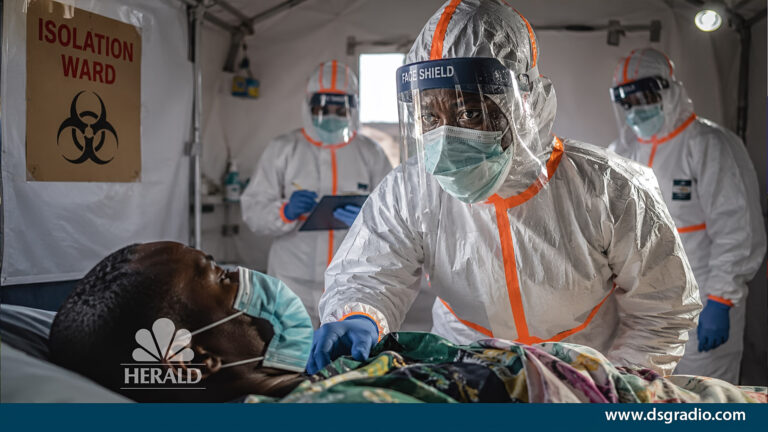
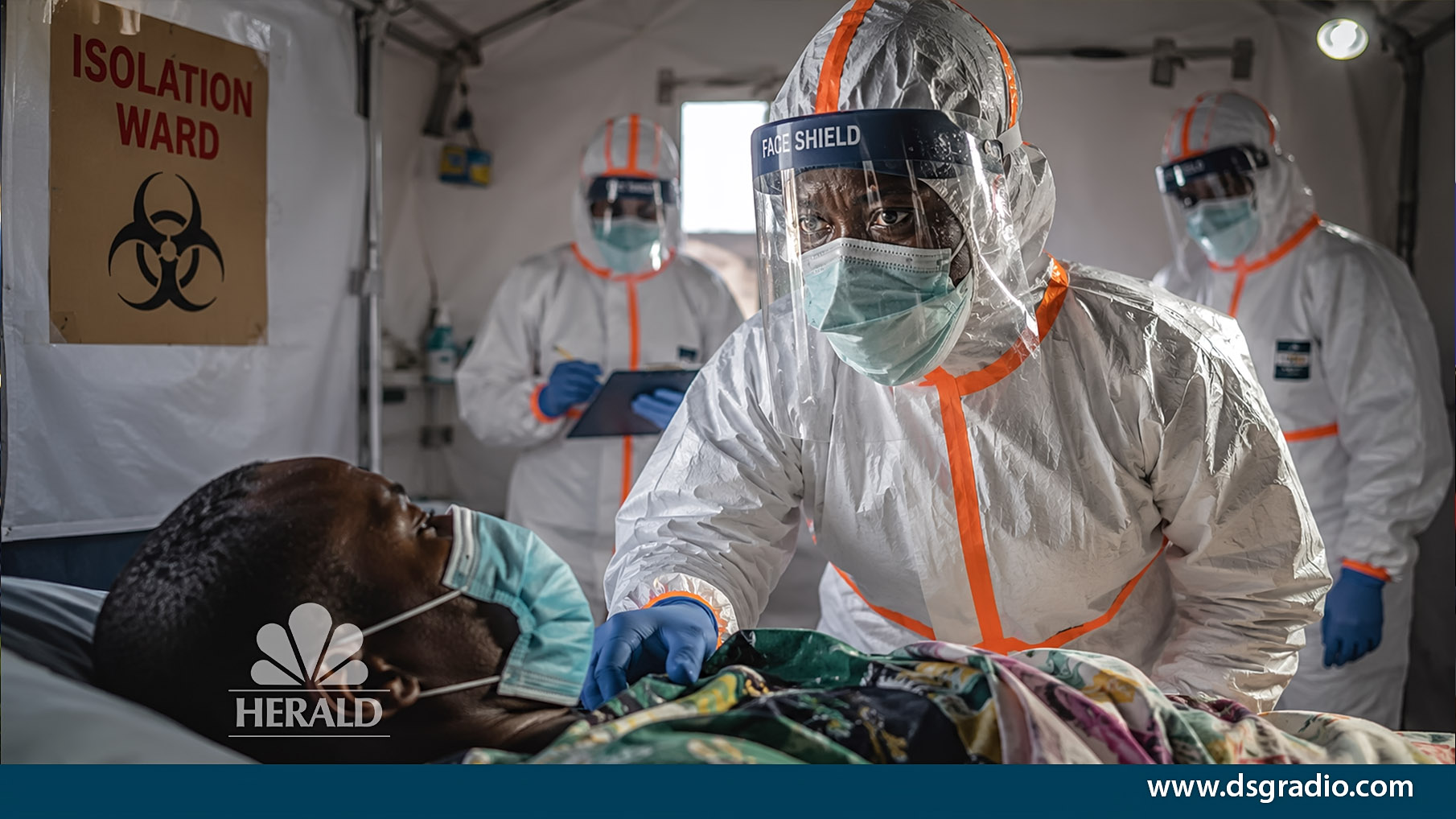
- Supportive medical care
- Aggressive fluid replacement therapy
- Community awareness campaigns
Medical experts say supportive care remains the most effective tool available to improve survival rates among infected patients.
The absence of a dedicated vaccine increases pressure on healthcare systems already stretched by limited resources and rising caseloads.
Uganda Records Imported and Secondary Cases
Across the border, Uganda has reported 19 confirmed cases and two deaths linked to the outbreak.
Officials indicate that most infections have either been imported from the DRC or resulted from secondary transmission involving close contacts and healthcare workers. The majority of identified cases have been tracked within the Kampala Metropolitan Area.
Uganda’s previous experience with Ebola outbreaks has enabled authorities to activate rapid response systems more quickly than many neighboring countries. Surveillance teams have intensified contact tracing efforts, while health facilities have increased screening measures.
Public health officials continue to monitor developments closely, particularly along major transportation routes connecting Uganda and the DRC.
WHO Declares Global Health Emergency
The declaration of a Public Health Emergency of International Concern represents one of the highest alert levels available to the World Health Organization.
The designation is intended to mobilize international resources, improve coordination among governments, and accelerate funding for containment efforts.
The WHO’s decision reflects growing concern that the outbreak could overwhelm local health systems if transmission continues at its current pace.
In a BBC report covering the outbreak, health officials highlighted the unique challenges posed by the Bundibugyo strain and the urgent need for coordinated international support.
The declaration does not necessarily mean global spread is imminent. Instead, it signals that the outbreak poses a serious public health threat requiring heightened international attention and action.
Violence and Misinformation Threaten Response Efforts
One of the most significant obstacles confronting health workers is insecurity in affected regions.
Eastern DRC remains affected by armed conflict involving multiple rebel groups, creating dangerous conditions for medical personnel and humanitarian organizations.
Reports indicate that attacks on health facilities and burial teams have disrupted critical response activities, including contact tracing and community engagement efforts.
Public mistrust has emerged as another major challenge.
Health authorities say misinformation circulating within some communities has fueled suspicion toward healthcare workers. Incidents involving health centers being stormed and medical personnel being taken hostage have further complicated containment operations.
Public health experts note that community cooperation is often one of the most important factors in controlling Ebola outbreaks.
Without trust and engagement from local populations, surveillance and treatment efforts become substantially less effective.
Recovery Numbers Offer Some Encouragement
Despite the rising death toll, health officials report that approximately 74 patients have recovered from the virus.
While the recovery figure remains relatively small compared to the total number of confirmed infections, it demonstrates that survival is possible when patients receive timely supportive care.
Medical teams continue to focus on improving treatment capacity and ensuring that infected individuals can access healthcare as quickly as possible after symptoms emerge.
Experts emphasize that early intervention remains one of the strongest predictors of survival.
Africa Mobilizes a Continental Response
The growing scale of the Ebola outbreak has prompted a coordinated continental response.
The Africa Centres for Disease Control and Prevention (Africa CDC) and the World Health Organization have launched a joint response plan valued at approximately $518 million. The initiative aims to strengthen surveillance systems, expand border screening operations, improve laboratory capacity, and secure medical supplies across affected regions.
Health authorities view cross-border cooperation as essential because infectious diseases do not respect national boundaries.
The funding package is expected to support:
- Emergency healthcare staffing
- Protective equipment procurement
- Laboratory testing
- Community education campaigns
- Cross-border monitoring systems
Officials hope the coordinated approach will reduce transmission risks and prevent wider regional spread.
What the Ebola Outbreak Means for Nigeria
Although Nigeria has not recorded any confirmed cases linked to the current crisis, authorities are taking preventive measures.
The Federal Government has established a Presidential Task Force on Ebola Virus Disease Preparedness, while the Nigeria Centre for Disease Control (NCDC) has placed its emergency operations center on alert mode.
Officials are paying particular attention to:
- International airports
- Land border crossings
- Seaports
- Disease surveillance networks
Nigeria’s heightened vigilance reflects lessons learned from the country’s successful containment of Ebola during the 2014 West African outbreak.
Public health specialists say preparedness remains essential because international travel can quickly move infectious diseases across borders.
For additional background, readers can explore https://dsgradio.com/ebola-virus-explained/ and https://dsgradio.com/ebola-outbreak-spreads-across-drc-and-uganda/ for broader coverage of the evolving situation.
Global Risk Remains Low, Experts Say
Despite the escalating situation in Central Africa, international health agencies maintain that the likelihood of widespread transmission outside the region remains low.
The European Centre for Disease Prevention and Control (ECDC) has assessed the risk of importation into Europe and the United States as very low.
Several factors contribute to this assessment:
- Enhanced international disease surveillance
- Improved border screening systems
- Rapid case identification procedures
- Better understanding of Ebola transmission patterns
However, experts caution that continued vigilance is necessary until transmission is brought under control.
Lessons from Previous Ebola Crises
Africa has faced multiple Ebola outbreaks over the past several decades, with varying levels of severity.
The 2014–2016 West African epidemic remains the deadliest Ebola outbreak in recorded history, resulting in more than 11,000 deaths across Guinea, Liberia, and Sierra Leone.
Subsequent outbreaks in the DRC demonstrated how vaccination campaigns and rapid response systems can significantly reduce transmission when effective tools are available.
The current Bundibugyo-driven outbreak presents a different challenge because responders cannot rely on existing Ebola vaccines.
This reality has renewed calls for accelerated research into vaccines and treatments targeting a broader range of Ebola species.
Outlook: Critical Weeks Ahead
Public health experts believe the coming weeks will be crucial in determining whether the Ebola outbreak can be contained or continues to expand across Central Africa.
Success will depend on several factors, including:
- Effective community engagement
- Security for healthcare workers
- Improved surveillance
- Faster identification of new infections
- Sustained international funding
For now, health authorities continue to urge caution while emphasizing that early reporting of symptoms, adherence to public health guidance, and strong cross-border cooperation remain the most effective tools available.
As governments, international organizations, and local communities intensify their efforts, the outbreak serves as another reminder of the importance of resilient healthcare systems and coordinated disease surveillance in an increasingly interconnected world.
Recommended Coverage
Congo Ebola Crisis Exposes Africa’s Health System Gaps
Link:https://dsgradio.com/congo-ebola-outbreak-highlights-africas-health-system-struggles/
Examines how recurring outbreaks continue to test healthcare infrastructure across the continent.
Bundibugyo Ebola Cases Rise as Travel Concerns Grow
Link:https://dsgradio.com/bundibugyo-ebola-outbreak-grows-as-travel-alerts-rise/
Provides deeper insight into the rare Ebola strain driving the current emergency.
Mystery Disease Outbreak Raises Regional Health Concerns
Link:https://dsgradio.com/mysterious-illness-in-drc-claims-over-60-lives/
Looks at broader disease surveillance challenges facing Central Africa.
Health Leaders Warn of Mounting Pressure on African Hospitals
Link:https://dsgradio.com/africas-medical-system-at-risk-of-collapse-health-leader-warns-of-urgent-crisis/
Explores the strain infectious disease outbreaks place on healthcare systems.
About the Author