Freedom 250 Controversy Deepens as Artists Exit US Celebration
The Freedom 250 controversy surrounding a major event planned to commemorate the 250th anniversary of the United States has intensified after several well-known performers withdrew from the lineup, citing concerns about political affiliations and the nature of the event they initially agreed to join.
The withdrawals have transformed what was intended to be a nationwide celebration into a broader discussion about politics, entertainment, public trust, and the challenges of organising national commemorative events in an increasingly polarised environment.
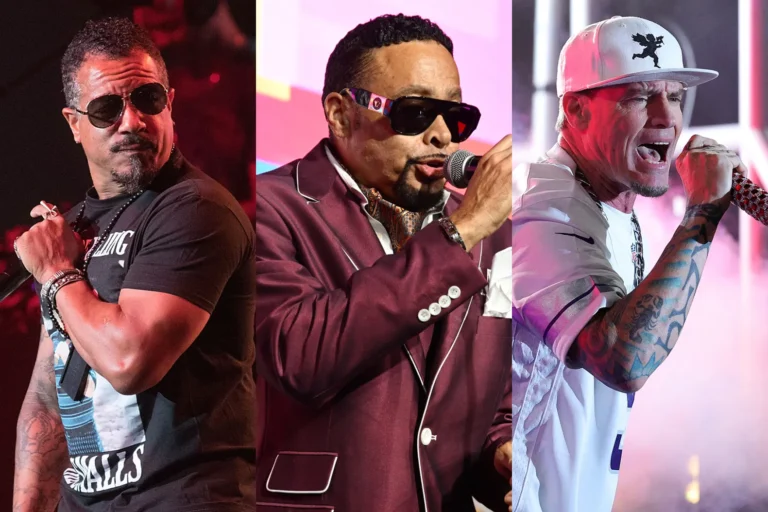
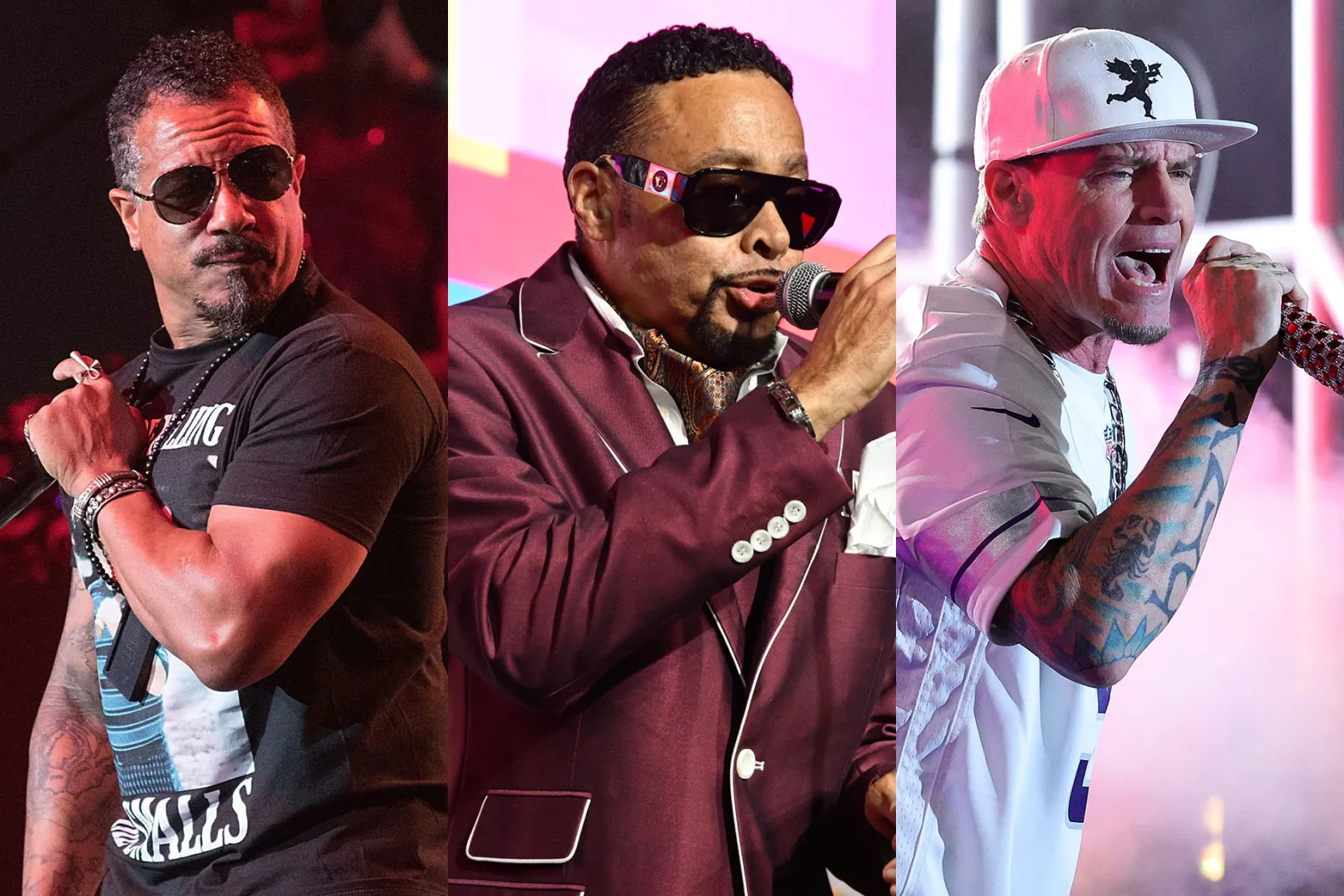
Artists including Young MC, Morris Day, the Commodores, Bret Michaels, and Martina McBride have all announced they will no longer participate in the Great American State Fair, a flagship event organized by Freedom 250 and scheduled to take place on the National Mall in Washington, D.C., between June 25 and July 10. According to a BBC report, several performers said they were not fully informed about the event’s political associations when they agreed to participate.
The developments have placed renewed attention on Freedom 250, the organisation established to coordinate celebrations linked to America’s semiquincentennial—the 250th anniversary of the Declaration of Independence.
Why the Freedom 250 Controversy Matters
National anniversaries are typically designed to unite citizens around shared history and common values. The United States celebrated its bicentennial in 1976 with large-scale public participation and broad political support.
The upcoming 250th anniversary is expected to be one of the most significant public commemorations in modern American history. Federal agencies, cultural organisations, civic groups, businesses, and local governments have spent years preparing events designed to showcase the nation’s history, achievements, and aspirations.
However, the Freedom 250 controversy demonstrates how difficult it has become to separate public celebrations from political narratives.
Several artists who withdrew have stressed that their decisions were not necessarily opposed to the anniversary itself, but rather due to concerns over perceived political affiliations connected to the event.
Their departures have sparked debate over whether national celebrations can remain politically neutral in today’s highly charged political climate.
Who Has Withdrawn From the Event?
Among the first performers to announce their withdrawal were Young MC and Morris Day.
Young MC, known globally for his hit song “Bust a Move,” stated on social media that artists were not informed about the political involvement associated with the event and expressed hope of performing in Washington in the future under different circumstances.
Morris Day also publicly distanced himself from the event, posting a brief but clear rejection of participation.
Soon afterwards, additional artists followed.
The Commodores announced they would not perform, emphasising that they do not publicly align themselves with any political party and support all Americans regardless of political affiliation.
Country music star Martina McBride said she believed she had accepted an invitation to participate in a nonpartisan celebration but later concluded that the situation was different from what she had originally understood.
Poison frontman Bret Michaels also withdrew, saying the event had become more divisive than what had initially been presented to him. He additionally cited safety concerns.
The sequence of departures quickly became one of the biggest entertainment stories linked to America’s anniversary celebrations.
Artists Who Remain on the Lineup
Not every performer has chosen to leave.
Rappers Flo Rida and Vanilla Ice remain scheduled to perform.
Vanilla Ice publicly defended his participation, arguing that the event should be viewed as a celebration of America’s birthday rather than a political gathering.
Fab Morvan, one of the public faces associated with Milli Vanilli, has also indicated plans to participate.
Freedom Williams of C+C Music Factory similarly confirmed his intention to perform while noting that his decision should not be interpreted as political support for any individual politician.
The contrasting responses from performers illustrate how entertainers continue to navigate increasingly complex expectations from fans, promoters, and political observers.
Freedom 250 Rejects Political Allegations
Freedom 250 has consistently denied that the Great American State Fair is politically affiliated.
The organisation describes itself as a nonprofit dedicated to bringing Americans together around the nation’s 250th anniversary.
Officials have emphasised that the event is intended to celebrate American history and culture rather than serve as a platform for partisan politics.
A spokesperson for the organisation stated that there is much to celebrate about the country and expressed confidence that millions of Americans will participate despite the controversy.
The organisation has also maintained that it respects the decisions of performers who have chosen to withdraw.
Nevertheless, critics continue to point to the origins of Freedom 250 and its leadership connections as reasons some artists became uncomfortable remaining involved.
The Political Context Behind the Debate
Part of the debate stems from the fact that Freedom 250 was launched during Donald Trump’s administration.
The organisation’s chief executive, Keith Krach, was appointed by Trump to lead the initiative.
For some observers, that historical connection has contributed to perceptions that the event carries political significance.
Supporters of the initiative argue that national celebrations should transcend partisan divisions and focus on historical milestones.
Critics counter that political associations—whether intended or not—can influence how public events are perceived.
The disagreement reflects broader tensions that have characterised American political life in recent years.
The intersection between culture, entertainment, and politics has become increasingly prominent, with artists often facing scrutiny regarding where they perform, who sponsors events, and what messages their participation may convey.
Entertainment and Politics: An Increasingly Difficult Balance
The current Freedom 250 controversy is not occurring in isolation.
Over the past decade, entertainers have frequently found themselves at the centre of political debates.
Musicians, actors, athletes, and influencers have increasingly been asked by audiences and media outlets to take positions on social issues, elections, government policies, and public controversies.
As a result, participation in high-profile events often attracts scrutiny far beyond the entertainment industry itself.
Some performers choose to avoid political associations altogether.
Others actively engage with political causes.
Many attempt to maintain a middle ground but discover that neutrality itself can become controversial.
The reactions surrounding Freedom 250 demonstrate the challenges artists face when audiences interpret participation differently.
Why National Celebrations Are Becoming More Complicated
Large-scale national commemorations traditionally focus on unity, heritage, and shared identity.
Yet modern political polarisation has complicated those goals.
Organisers increasingly face questions regarding sponsorships, leadership structures, messaging strategies, and perceived affiliations.
Even when event organisers insist that celebrations are nonpartisan, public perception can shape how events are received.
This phenomenon is not unique to the United States.
Around the world, major national anniversaries often become arenas where debates about identity, history, leadership, and national direction play out publicly.
The Freedom 250 dispute highlights how cultural events can become focal points for broader political conversations.
What America’s 250th Anniversary Represents
The semiquincentennial marks 250 years since the signing of the Declaration of Independence in 1776.
It is expected to be one of the largest commemorative efforts in modern American history.
Numerous activities are planned across the country, including educational programs, historical exhibitions, community events, cultural festivals, and public celebrations.
The White House has backed multiple anniversary-related initiatives.
According to event organisers and government officials, celebrations are intended to encourage civic engagement and reflection on the country’s history and future.
Supporters see the anniversary as an opportunity to strengthen national unity.
Critics argue that the occasion should also encourage honest discussions about unresolved historical and contemporary challenges.
Global Interest in the Anniversary
The United States remains one of the world’s most influential nations economically, politically, and culturally.
As a result, major anniversary celebrations attract attention well beyond American borders.
For audiences in Africa, Europe, Asia, and Latin America, the anniversary provides an opportunity to assess America’s global role and evolving identity.
Nigerian audiences are likely to follow developments closely because of the deep economic, educational, diplomatic, and cultural ties between Nigeria and the United States.
Many Nigerian students, entrepreneurs, policymakers, and professionals maintain strong connections with American institutions and markets.
Consequently, events surrounding America’s 250th anniversary carry international relevance.
What Happens Next?
Freedom 250 has not yet announced significant changes to the event lineup despite the withdrawals.
Organisers continue to express confidence that the Great American State Fair will proceed as planned.
Additional announcements regarding performers and programming are expected in the coming weeks.
The key question remains whether the controversy will continue to grow or gradually subside as anniversary celebrations approach.
For organisers, success may depend on convincing the public that the event truly belongs to all Americans regardless of political affiliation.
For critics, the controversy raises important questions about transparency, public trust, and the relationship between culture and politics.
For artists, the episode serves as another example of how participation in major public events increasingly carries political implications, whether intended or not.
The Bigger Picture
The Freedom 250 controversy has evolved far beyond a dispute over a concert lineup.
It has become a reflection of broader debates about national identity, political polarisation, public celebrations, and the role of cultural figures in civic life.
As America prepares to mark one of the most important milestones in its history, the controversy surrounding the Great American State Fair underscores a challenge facing many modern democracies: how to create moments of shared national celebration amid deep political division.
Whether the event ultimately succeeds in bringing Americans together or remains overshadowed by controversy may become one of the defining stories of the nation’s 250th anniversary celebrations.
Recommended Coverage
Trump Bible Reading Event Sparks America 250 Debate
Explores earlier controversies surrounding events connected to America’s 250th anniversary celebrations.
King Charles US Visit Faces Diplomatic Strain
Examines evolving transatlantic political dynamics and diplomatic challenges.
US Judge Halts White House Ballroom Project Work
Details legal and political disputes involving a major White House construction proposal.
Trump-Xi Talks Shake Global Trade and AI Politics
Analyzes how US-China relations continue to shape global economic and technology policy.
About the Author