Saleh Mamman Arrest Deepens EFCC Crackdown Over ₦33bn Power Scandal
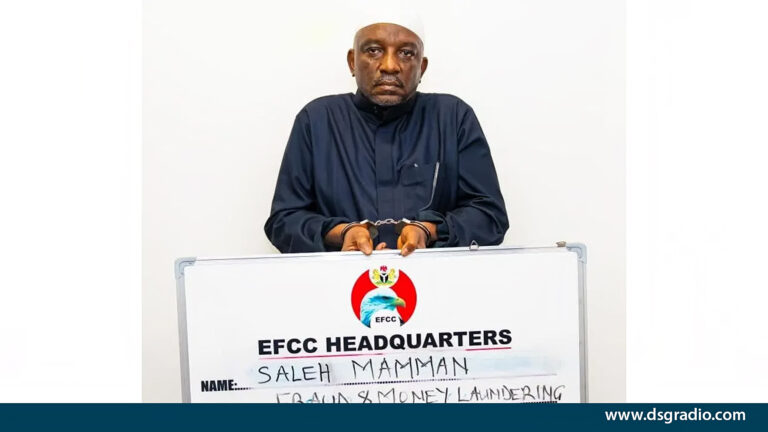
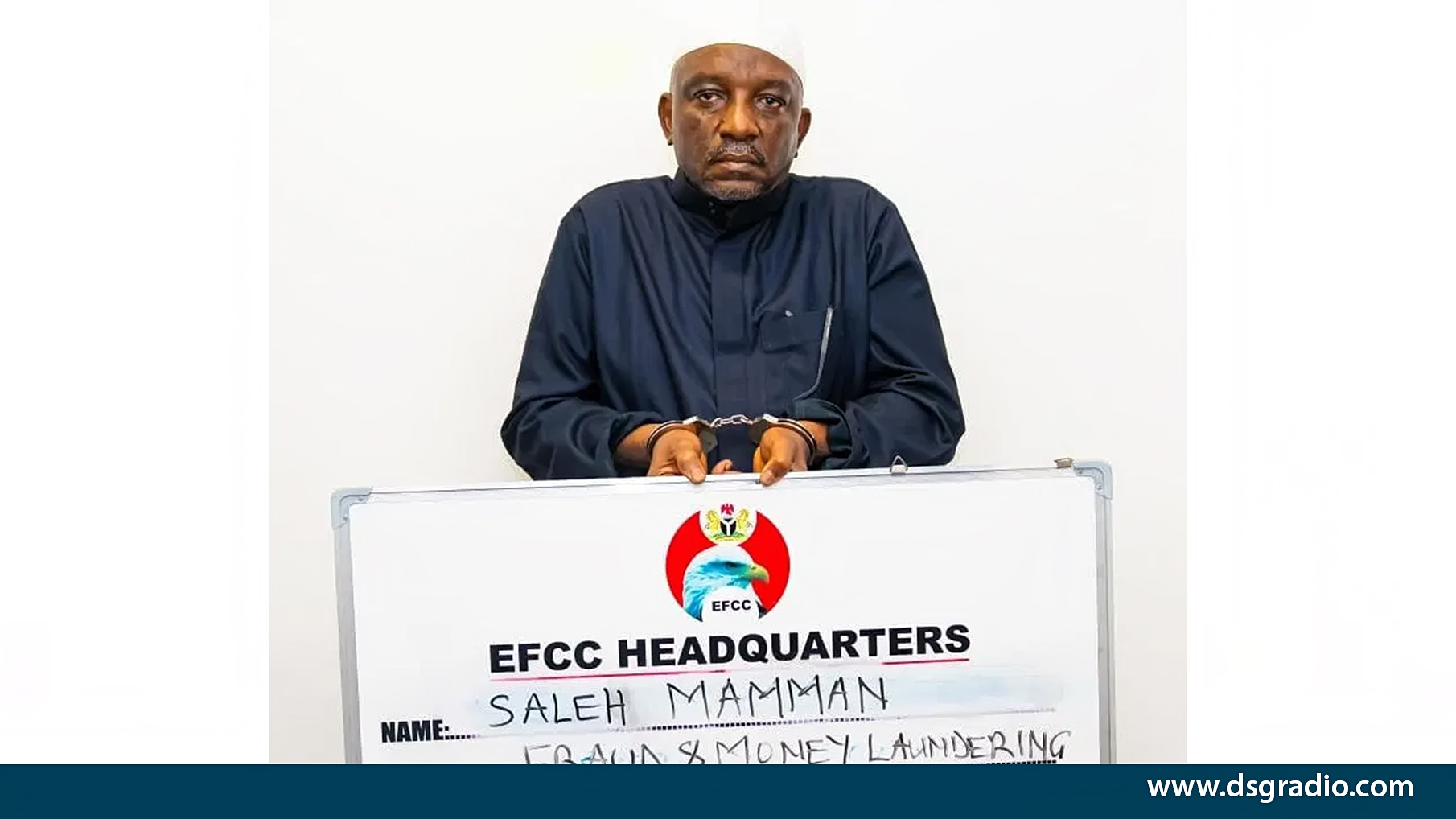
The arrest of former Minister of Power, Saleh Mamman, has pushed Nigeria’s anti-corruption campaign back into national focus, with the Economic and Financial Crimes Commission intensifying efforts to pursue high-profile corruption cases linked to critical infrastructure projects.
Investigators from the anti-graft agency detained the former cabinet official over allegations connected to the Mambilla Hydropower Project and the Zungeru Hydroelectric Power Project, two major energy initiatives considered central to Nigeria’s long-running electricity reform ambitions.
The development comes amid broader attempts by Nigerian authorities to project a tougher stance on corruption, particularly in sectors involving large-scale public spending, energy infrastructure, and strategic national projects.
According to reports by Punch Newspapers and Channels Television, the former minister was taken into custody following investigations into alleged financial misconduct tied to the handling of public funds.
The case has now evolved beyond a routine corruption headline into a broader conversation about accountability in Nigeria’s power sector, the effectiveness of fugitive-tracking operations, and the political significance of anti-graft enforcement under President Bola Tinubu’s administration.
Inside the Investigation
Authorities have not publicly disclosed every operational detail surrounding the capture of the former minister, but the investigation appears to reflect a more coordinated enforcement strategy involving surveillance, financial intelligence tracking, and inter-agency cooperation.
The EFCC has increasingly adopted intelligence-driven operations in major corruption cases, especially where suspects are believed to have avoided prosecution or failed to comply with court processes.
The allegations against Mamman are linked to the management of funds associated with:
- The Mambilla Hydropower Project
- The Zungeru Hydroelectric Power Project
- Public infrastructure financing
- Contract and disbursement oversight
The Mambilla project, in particular, has long been viewed as one of Nigeria’s most ambitious electricity-generation initiatives. The project was designed to significantly boost power supply capacity and reduce chronic electricity shortages affecting businesses and households across the country.
However, repeated allegations of corruption, delays, contractual disputes, and funding controversies have overshadowed progress on the project for years.
The latest developments have therefore revived public debate about whether corruption within strategic infrastructure projects has contributed to Nigeria’s persistent electricity crisis.
Why the Mambilla Power Scandal Matters
The alleged ₦33bn scandal is not merely a criminal investigation involving one former public official. It touches directly on national development, economic productivity, and public confidence in governance.
Nigeria’s power sector remains one of the country’s biggest economic challenges. Businesses continue to rely heavily on private generators due to unstable electricity supply, while millions of households face frequent blackouts.
Analysts say allegations involving public funds allocated to major energy projects often generate stronger public reactions because of the direct impact on ordinary Nigerians.
The Mambilla project was originally expected to:
- Increase national grid capacity
- Improve industrial productivity
- Support economic growth
- Reduce dependence on diesel-powered electricity generation
Instead, years of delays have turned the project into a symbol of Nigeria’s wider infrastructure management problems.
The current investigation may therefore become a defining test of whether Nigerian anti-corruption agencies can successfully prosecute politically sensitive infrastructure-related cases.
Expanding Anti-Corruption Enforcement
The Saleh Mamman arrest also reflects a broader trend in Nigeria’s corruption enforcement strategy.
In recent months, authorities have intensified investigations involving:
- Former governors
- Senior public officials
- Politically exposed persons
- Contract and procurement disputes
- Asset recovery operations
The EFCC has repeatedly stated that corruption enforcement remains central to improving investor confidence and restoring public trust in governance institutions.
The agency’s renewed posture appears designed to send a message that high-profile suspects can still face prosecution regardless of political influence or former office.
This development comes at a time when the Tinubu administration faces mounting pressure to demonstrate tangible anti-corruption results amid economic hardship and public frustration over governance challenges.
Political observers note that major anti-corruption cases often carry implications beyond the courtroom. They can influence:
- Public perception of government credibility
- International investor confidence
- Institutional trust
- Nigeria’s global anti-corruption reputation
The government has not officially linked the current case to broader political calculations, and details surrounding operational decisions remain limited.
Questions About Accountability in the Power Sector
The case has also renewed scrutiny on oversight systems within Nigeria’s electricity and infrastructure sectors.
Over the years, billions of naira have been allocated to power generation, transmission, and distribution projects, yet electricity supply problems remain widespread.
Critics argue that weak monitoring mechanisms, procurement irregularities, and contract disputes have undermined progress.
Supporters of stronger anti-graft enforcement believe high-profile prosecutions could deter future misconduct involving public infrastructure financing.
However, some governance experts warn that arrests alone may not solve systemic challenges unless accompanied by:
- Procurement reforms
- Transparent contract management
- Stronger institutional oversight
- Judicial efficiency
- Public transparency mechanisms
The outcome of the current case may therefore shape future discussions about accountability in Nigeria’s energy sector.
International Implications and Nigeria’s Image
The arrest could also attract international attention because corruption enforcement has become an important factor in foreign investment assessments.
Global financial institutions and development partners often evaluate governance standards before supporting large infrastructure projects.
Nigeria has faced repeated concerns from international observers regarding:
- Contract transparency
- Project execution delays
- Public sector accountability
- Judicial efficiency
- Anti-corruption enforcement
The current case may therefore become part of wider global conversations about governance reforms in Africa’s largest economy.
The situation also mirrors previous international anti-corruption cases involving Nigerian officials. In a related development, DSG HERALD previously examined how the Diezani London trial tested global anti-corruption enforcement and cross-border accountability systems.
Political Implications for the Tinubu Administration
The Saleh Mamman arrest may also carry political consequences for the current administration.
President Bola Tinubu’s government has repeatedly pledged institutional reforms and improved governance standards. However, critics have continued to question whether anti-corruption enforcement is being applied consistently across political lines.
Supporters of the administration may view the current development as evidence that anti-graft agencies remain active and independent.
Opposition voices, meanwhile, are likely to continue demanding broader reforms and faster prosecution timelines in major corruption cases.
At the moment, several details surrounding the investigation remain unclear, including:
- The full operational timeline of the arrest
- Specific surveillance methods used
- Potential additional suspects
- Possible international cooperation mechanisms
- Whether further charges may emerge
These details were not fully specified in the original reports.
What Comes Next
Legal proceedings connected to the case are expected to attract national attention in the coming weeks.
The outcome could influence:
- Future corruption investigations
- Public confidence in the EFCC
- Political accountability debates
- Oversight reforms in infrastructure financing
- Nigeria’s anti-corruption reputation internationally
For many Nigerians, the case represents more than the arrest of a former public official.
It has become a wider test of whether Nigeria’s institutions can effectively investigate and prosecute corruption allegations tied to strategic national development projects.
As anti-corruption enforcement increasingly shifts toward intelligence-led operations and high-profile accountability cases, the Saleh Mamman investigation may become one of the defining governance stories in Nigeria’s power sector.
Recommended Coverage
- EFCC Chairman’s Anti-Corruption Claims Face Scrutiny — Examines the growing debate around Nigeria’s anti-corruption credibility amid rising high-profile investigations.
- Timipre Sylva Property Case Expands EFCC Enforcement — Explores another politically sensitive anti-graft case involving alleged asset forfeiture proceedings.
- Yahaya Bello Trial Sparks New Governance Questions — Reviews the wider political and legal implications of ongoing corruption-related proceedings in Nigeria.
- Nigeria’s Economy Under Tinubu: Progress or Crisis? — Provides broader economic context surrounding governance, public trust, and institutional accountability debates.
About the Author