Africa Media Convention 2026 Shapes Africa’s Media Future
Africa’s media industry is entering a defining period as policymakers, journalists, regulators, and international organisations push for a new continental strategy to protect press freedom, combat misinformation, and strengthen the sustainability of journalism in the digital era.
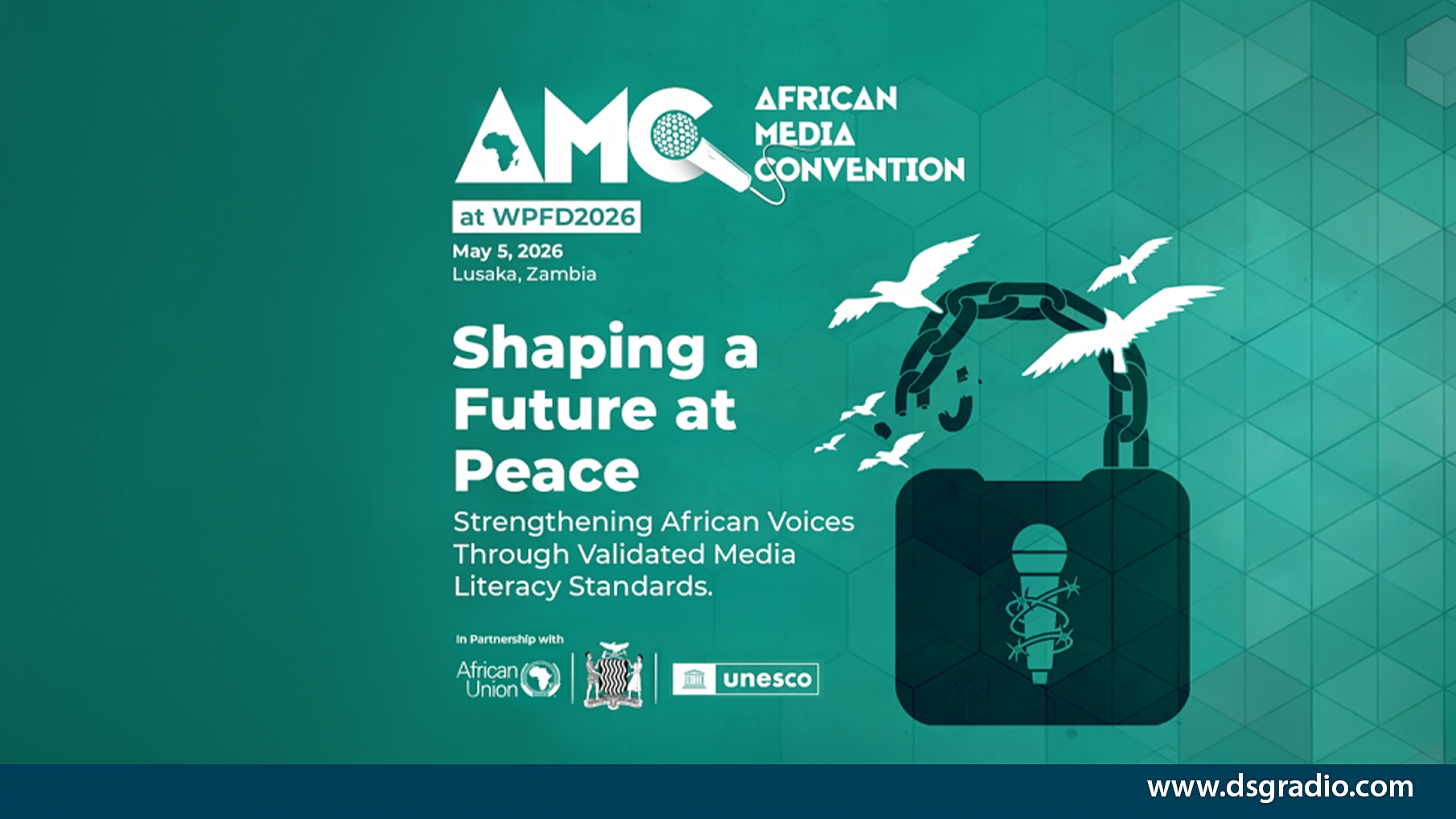
The debate took centre stage during the Africa Media Convention (AMC) 2026 held in Lusaka, Zambia, alongside World Press Freedom Day commemorations from May 4 to May 5. The gathering brought together the African Union Commission, UNESCO, the African Editors’ Forum, the Network of Independent Media Councils in Africa, M20, and other media stakeholders to discuss what organisers described as the urgent need for “safe, sustainable and trusted journalism” across the continent.
At the same time, the African Union and UNESCO convened a high-level consultation on a draft Continental Media and Information Literacy (MIL) Framework to strengthen information integrity and help citizens navigate an increasingly complex digital environment.
The dual meetings underscored growing concerns over misinformation, declining trust in media institutions, economic pressures on independent journalism, and the rapid transformation of Africa’s digital information ecosystem.
Why Africa Media Convention 2026 Matters
Unlike previous media gatherings that were largely focused on press freedom advocacy alone, the Africa Media Convention 2026 broadened the conversation to include media survival, technological disruption, and the future of journalism business models in Africa.
The convention was held under the broader UNESCO World Press Freedom Day theme, “Shaping a Future at Peace,” while the African-focused agenda centred on building safe, sustainable, and trusted journalism systems.
Organisers argued that democratic governance and social stability in Africa cannot thrive without independent media institutions that can operate safely and sustainably.
According to information released by the organisers, the convention focused on five major priorities:
- Media sustainability and funding resilience
- Press freedom protections
- Digital transformation
- Combating misinformation and disinformation
- Institutional strengthening across African media systems
The convention also reflected wider continental concerns over shrinking newsroom revenues, rising political pressure on journalists, and the influence of digital platforms on public discourse.
AU and UNESCO Push Continental Media Literacy Framework
One of the convention’s most significant developments was the AU and UNESCO consultation on the Continental Media and Information Literacy Framework.
According to the African Union, the framework seeks to equip African citizens with the skills to critically assess, analyse, create, and share information responsibly in the digital age.
The proposed framework also aims to strengthen resistance against:
- Disinformation
- Misinformation
- Hate speech
- Online manipulation
- Harmful digital content
At the same time, organisers stressed that the framework is intended to safeguard freedom of expression and access to information rather than restrict legitimate speech.
The consultation brought together government representatives, educators, media executives, regulators, civil society groups, youth representatives, development partners, and academics to review the draft policy before it is presented to African ministers responsible for communication and ICT.
According to the AU, the framework is expected to contribute to broader Agenda 2063 goals tied to democratic governance, informed citizenship, and digital inclusion. As explained in an official AU statement, the consultation seeks to establish “a common African approach to media and information literacy.”
Africa’s Media Industry Faces Economic Pressure
Beyond discussions about misinformation and digital ethics, the convention highlighted a growing financial crisis confronting many African media organisations.
Across several African countries, independent newsrooms continue to struggle with declining advertising revenues, rising operational costs, political interference, and audience migration toward social media platforms.
The issue of media sustainability has become increasingly urgent as digital giants dominate online advertising markets while local publishers battle to maintain newsroom operations.
Industry observers say many African news organisations now face a difficult balancing act between maintaining editorial independence and securing commercial survival.
The convention’s sustainability agenda, therefore, focused on developing African-led financing models to reduce reliance on fragile donor funding structures.
The issue closely mirrors broader debates over economic transformation already underway across the continent. In a related development, the African Development Bank recently called for stronger private-sector investment mechanisms to support long-term African growth, according to a recent DSG HERALD report on Africa development financing reforms.
Digital Transformation Reshaping African Journalism
Africa’s rapid digital transition was another major focus at the convention.
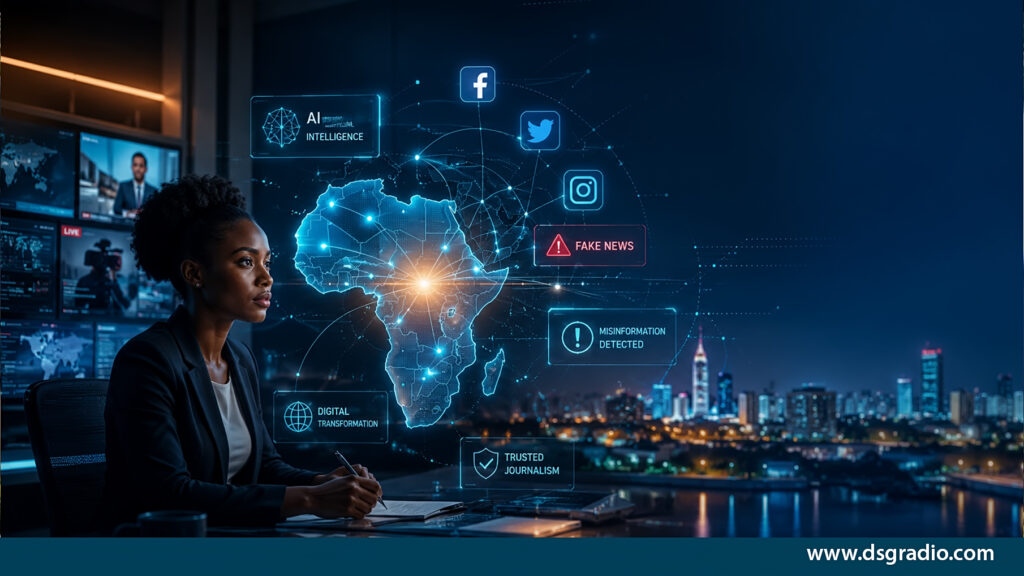
Media stakeholders warned that artificial intelligence, algorithm-driven content distribution, and social media misinformation are fundamentally changing how African audiences consume information.
Many traditional news organisations are now being forced to rethink:
- Newsroom operations
- Audience engagement strategies
- Revenue models
- Verification systems
- Multimedia storytelling approaches
The challenge is particularly significant for African media organisations operating in environments where internet penetration is growing rapidly but digital literacy levels remain uneven.
Experts at the convention stressed that strengthening media literacy could help citizens distinguish credible journalism from manipulated or false content circulating online.
This issue has become especially relevant during elections, security crises, and public health emergencies, where misinformation can spread rapidly through social media platforms.
Press Freedom Remains a Key Concern
Despite progress in parts of the continent, press freedom challenges remain a major concern for many African journalists.
Organisers at Africa Media Convention 2026 raised concerns over the misuse of sedition laws, criminal defamation provisions, and broad “false information” regulations that critics say can be used to suppress independent journalism.
Media advocates at the gathering argued that legal protections for journalists remain uneven across African states.
The issue has attracted increasing international attention in recent years amid reports of journalist arrests, online harassment, media shutdowns, and restrictions on investigative reporting in some countries.
UNESCO has consistently warned that attacks on press freedom weaken democratic accountability and increase public vulnerability to misinformation.
According to the official event description published by the African Union, the convention emphasised that peace and democratic governance cannot be achieved without a free and independent press system.
Implications for Nigeria and African Newsrooms
For Nigeria, home to one of Africa’s largest media markets, the conversations in Lusaka carry significant implications.
Nigerian journalists and digital publishers are increasingly navigating a highly competitive environment shaped by:
- Economic uncertainty
- Audience fragmentation
- Social media competition
- Political pressure
- Rapid technological change
The rise of AI-generated content and misinformation has also intensified pressure on publishers to strengthen verification standards and audience trust.
At the same time, digital innovation has created new opportunities for independent media startups, podcast platforms, YouTube journalism, and mobile-first news distribution.
Nigeria’s experience reflects a broader continental trend where journalism is simultaneously becoming more vulnerable and more technologically dynamic.
The discussions at AMC 2026 may therefore influence future African policy conversations around digital regulation, newsroom sustainability, and information governance.
Recent economic stability reports from the African Development Bank have also highlighted the importance of resilient institutions and digital transformation in supporting long-term continental growth, according to DSG HERALD’s report on Africa economic resilience trends.
The Growing Battle Against Misinformation
A central concern throughout the convention was the growing impact of misinformation and disinformation across African societies.
Digital misinformation has increasingly influenced political campaigns, security narratives, ethnic tensions, and public health debates across multiple African countries.
Media experts warn that false information ecosystems often spread faster than verified journalism due to algorithmic amplification and weak digital literacy infrastructure.
The proposed Continental Media and Information Literacy Framework is therefore positioned as a preventive strategy to strengthen citizens’ ability to evaluate information critically.
Supporters argue that stronger media literacy systems could help reduce societal polarisation while protecting democratic participation.
However, rights advocates also continue to caution that anti-misinformation policies must avoid becoming tools for censorship or political suppression.
Details about enforcement mechanisms within the proposed framework were not fully specified in the original report.
Africa’s Media Future at a Turning Point
Africa Media Convention 2026 ultimately reflected a broader reality confronting African journalism: the continent’s media systems are entering a decisive transition period.
The future of journalism in Africa may increasingly depend on whether governments, media organisations, technology platforms, educators, and civil society groups can collectively build systems that protect press freedom while strengthening public trust and digital resilience.
While the Lusaka meetings did not produce immediate policy changes, they reinforced a growing continental consensus that Africa’s information ecosystem requires coordinated reform.
As media technologies continue to evolve rapidly, the challenge for African stakeholders may not simply be protecting journalism, but redefining how trusted journalism survives and remains relevant in a digital-first era.
According to the official African Union event announcement, the convention aimed to strengthen institutional cooperation and long-term policy coherence between media stakeholders and continental bodies.
Recommended Coverage:
- Russia-Mali Security Alliance Faces New Questions
DSG HERALD examines how instability in the Sahel is testing emerging geopolitical alliances and regional security cooperation. - Benin Election Race Intensifies Ahead of 2026 Vote
The report explores democratic transitions and political competition in West Africa amid growing debates over governance. - Nigeria Treason Case Draws National Attention
This coverage highlights legal and governance tensions shaping Nigeria’s political and media environment. - Tinubu Loan Request Sparks Economic Debate
DSG HERALD analyses Nigeria’s fiscal direction and the wider implications for development financing.
About the Author