Morocco Skyscraper Project Signals Africa’s Urban Power Shift
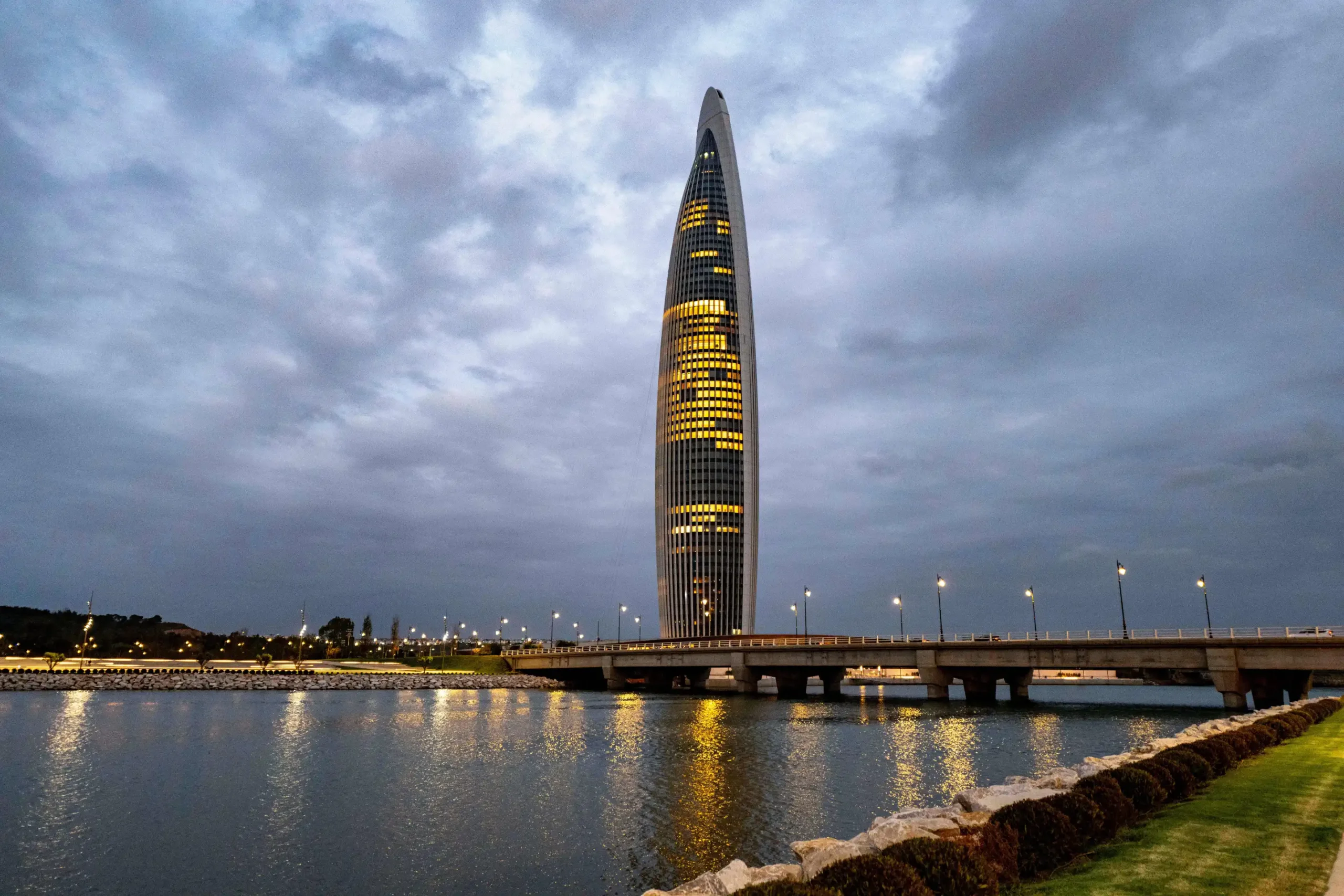
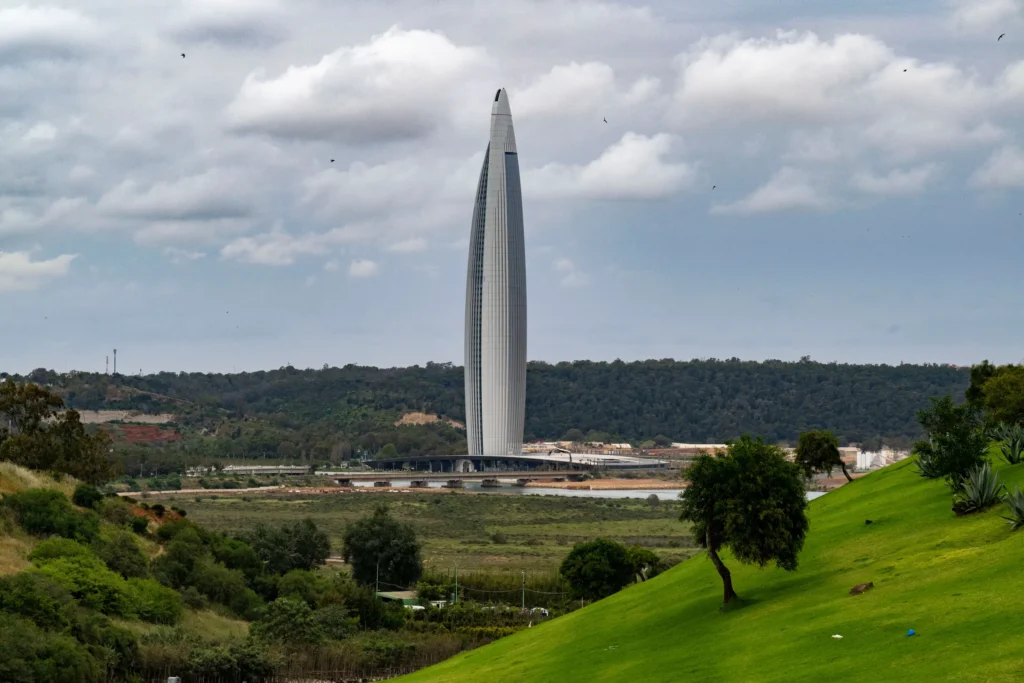
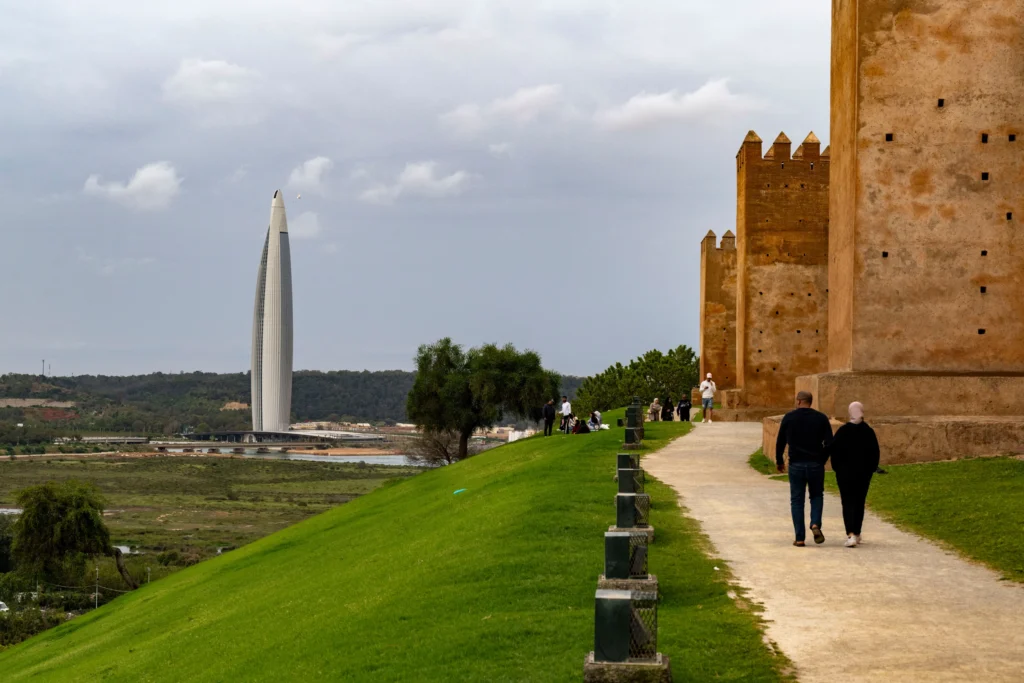
Morocco’s skyscraper project has taken a major step forward with the official opening of the $700 million Mohammed VI Tower in Salé, near the capital Rabat. The 55-story structure, standing at approximately 820 feet, reflects Morocco’s growing ambitions in African urban development, tourism expansion, and global influence, particularly as the country prepares to co-host the 2030 FIFA World Cup.
A Landmark Development in Morocco’s Skyscraper Project
The Mohammed VI Tower is now among the tallest skyscrapers in Africa, symbolising Morocco’s push to redefine its urban skyline and economic positioning.
Key facts about the project include:
- Cost: $700 million
- Height: Approximately 820 feet
- Floors: 55 stories
- Location: Salé, adjacent to Rabat
- Construction period: Eight years
- Workforce: Over 2,500 workers from more than a dozen countries
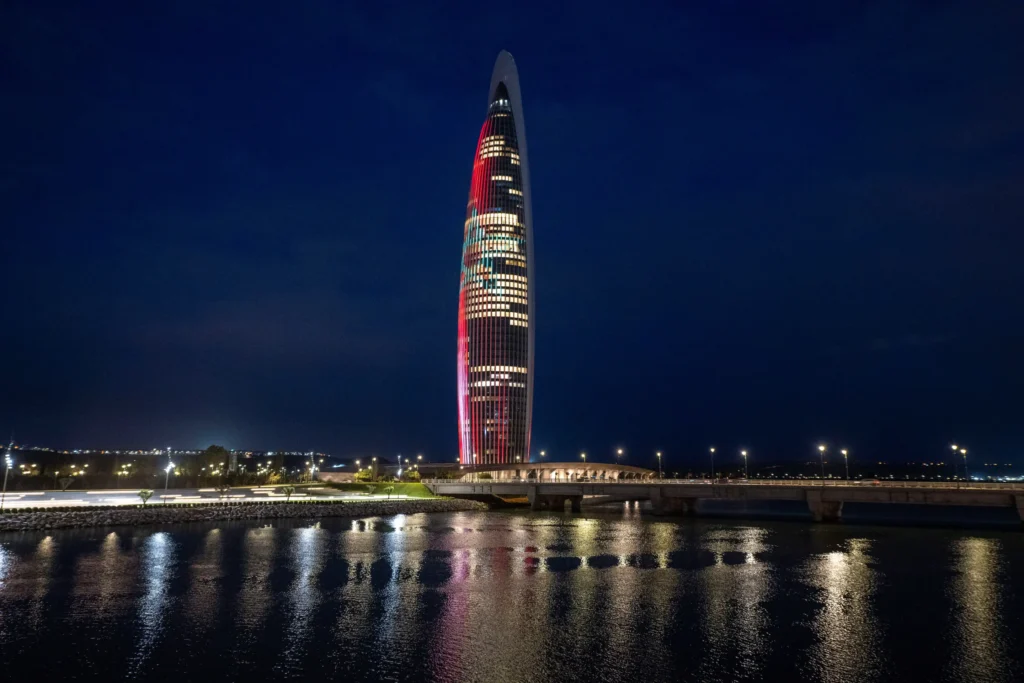
Named after King Mohammed VI, the tower features a mix of luxury and commercial facilities, including:
- A Waldorf Astoria hotel
- Office spaces
- Retail outlets
- Restaurants
- High-end residential apartments
According to Leila Haddaoui, director of development company O Tower, the project is expected to generate:
- 450 direct jobs
- 3,500 indirect jobs
Morocco Tourism Strategy Gains Momentum
The Morocco skyscraper project is closely tied to the country’s broader tourism strategy, which aims to strengthen its position as Africa’s most visited destination.
Morocco has increasingly leveraged infrastructure and cultural investments to attract global visitors. The Mohammed VI Tower plays a strategic role by:
- Enhancing Rabat and Salé’s international visibility
- Offering premium hospitality through global hotel brands
- Positioning the capital region as a luxury travel destination
The tower’s location near the Grand Theatre of Rabat, designed by the late architect Zaha Hadid, adds to its cultural and architectural appeal.
It also offers views of:
- The Atlantic Ocean
- Rabat and Salé’s historic cityscapes
As reported by Moroccan authorities, the project is seen as part of a broader push to reposition lesser-visited cities on the global tourism map.
Africa Urban Development: A Growing Competition
The Morocco skyscraper project reflects a broader trend across Africa, where countries are investing heavily in urban megaprojects to drive economic growth and global relevance.
Across the continent:
- Egypt is building a new administrative capital with Africa’s tallest tower
- Nigeria is developing Eko Atlantic City in Lagos
- South Africa continues to expand urban infrastructure in Johannesburg and Cape Town
These projects highlight a growing competition in African urban development, where cities are:
- Competing for foreign investment
- Expanding tourism capacity
- Enhancing global branding
Morocco’s approach stands out for integrating tourism, culture, and infrastructure into a single flagship project.
Economic Impact and Job Creation
Beyond symbolism, the Morocco skyscraper project carries tangible economic benefits.
The expected job creation figures include:
- Direct employment: 450 jobs
- Indirect employment: 3,500 jobs
These roles span:
- Construction and engineering
- Hospitality and tourism
- Retail and services
The tower also signals confidence to international investors, suggesting that Morocco is:
- Stable
- Open to foreign investment
- Strategically positioned between Africa, Europe, and the Middle East
Soft Power and Regional Influence
The Mohammed VI Tower represents more than economic growth—it is also a tool of soft power.
Morocco is increasingly positioning itself as:
- A regional leader in Africa
- A gateway between continents
- A hub for diplomacy and investment
High-profile projects like this serve to:
- Enhance national image
- Attract global partnerships
- Strengthen influence in African and Middle Eastern affairs
This aligns with Morocco’s long-term strategy of expanding its geopolitical footprint through infrastructure, trade, and cultural diplomacy.
Criticism and Inequality Concerns
Despite its ambitions, the Morocco skyscraper project has not been without criticism.
Some observers argue that:
- Development remains concentrated along Morocco’s Atlantic corridor
- Other regions lag in infrastructure and economic opportunities
In recent years, Gen Z-led protests have highlighted concerns such as:
- High unemployment
- Limited access to public services
- Regional inequality
Critics question whether large-scale projects like the Mohammed VI Tower:
- Benefit the broader population
- Or primarily serve elite and international interests
Details on how the government plans to address these disparities were not specified in the original report.
Strategic Timing Ahead of the 2030 World Cup
The timing of the Morocco skyscraper project is significant.
Morocco is set to co-host the 2030 FIFA World Cup, a major global event expected to:
- Attract millions of visitors
- Boost infrastructure development
- Increase international media attention
Projects like the Mohammed VI Tower are likely designed to:
- Showcase Morocco’s modernisation
- Strengthen tourism infrastructure
- Enhance the country’s global image
Future Outlook: What This Means for Africa
The Morocco skyscraper project reflects a broader shift in how African nations are approaching development.
Key implications include:
- Urban transformation: Cities becoming economic power hubs
- Tourism expansion: Increased focus on high-end infrastructure
- Global positioning: African countries competing on the world stage
For Morocco, the Mohammed VI Tower is not just a building—it is a statement of intent.
It signals:
- Confidence in long-term growth
- Commitment to global relevance
- A strategic vision for Africa’s future
Related Coverage
You may also want to read:
- China Expands Trade Ties With Africa Through Tariff Waivers
Explores how economic partnerships are reshaping Africa’s development landscape. - Morocco Faces Criticism Ahead of 2030 World Cup Preparations
Provides context on controversies surrounding Morocco’s global event planning. - Africa Environmental Movements Gain Momentum on Earth Day
Highlights sustainability efforts linked to urban and infrastructure expansion. - African Minifootball Championship Builds Continental Momentum
Shows how sports events are shaping Africa’s global visibility.
About the Author