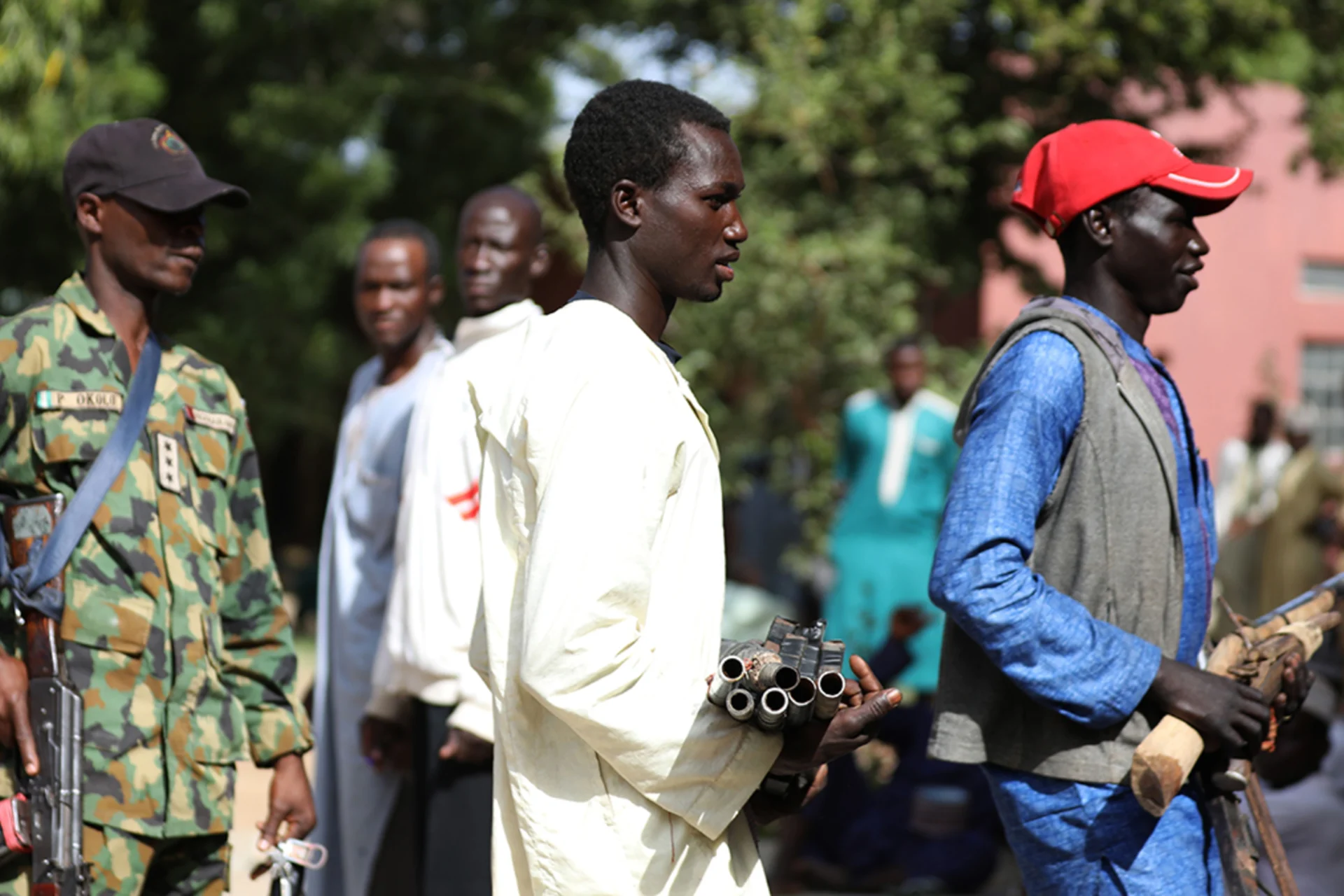
FG N1.2bn Boko Haram Rehabilitation Gombe Sparks Debate Over Transparency and Security Policy
FG N1.2bn Boko Haram rehabilitation in Gombe sparks nationwide debate after Nigeria’s Federal Government reportedly paid N1.2 billion to Gombe State for the use of a facility dedicated to rehabilitating former Boko Haram fighters. The development, which involves repurposing a National Youth Service Corps (NYSC) orientation camp, has raised critical questions about transparency, effectiveness, and the long-term security implications.
FG N1.2bn Boko Haram rehabilitation Gombe centres on a deradicalisation initiative designed to reintegrate former insurgents into society. The program is part of Nigeria’s broader counterterrorism strategy, which combines military action with rehabilitation efforts to reduce the risk of recidivism among ex-combatants.
Background of the Rehabilitation Programme
FG N1.2bn Boko Haram rehabilitation Gombe is linked to Nigeria’s Operation Safe Corridor, a federal initiative launched to rehabilitate and reintegrate repentant Boko Haram members. The program typically includes psychological counselling, vocational training, and religious reorientation.
Authorities have defended FG N1.2bn Boko Haram rehabilitation in Gombe as a necessary step toward ending insurgency in the North-East. According to security officials, the rehabilitation approach complements military operations by addressing the ideological roots of extremism.
Key components of the program include:
- Deradicalisation sessions led by religious scholars
- Skills acquisition training for reintegration
- Psychological support and trauma recovery
- Monitoring and evaluation after release
Use of the NYSC Camp in Gombe
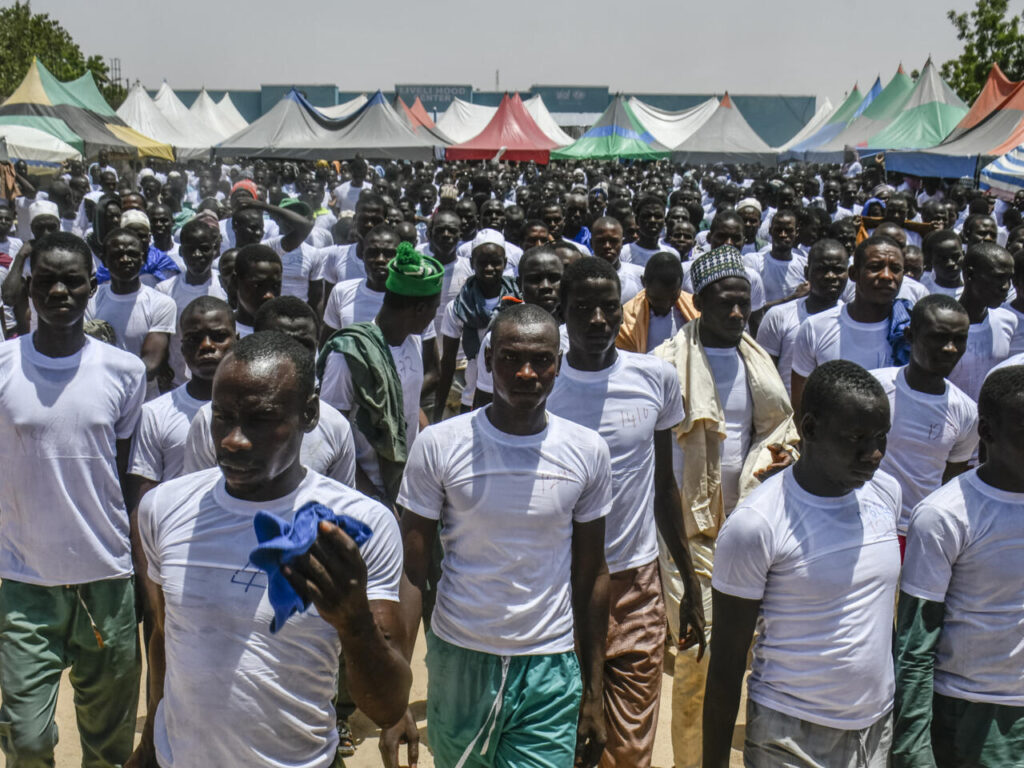
FG N1.2bn Boko Haram rehabilitation in Gombe gained public attention due to the reported use of an NYSC orientation camp in Gombe State as the rehabilitation facility. The camp was reportedly converted to accommodate former insurgents undergoing the program.
The decision to repurpose the NYSC camp under FG N1.2bn Boko Haram rehabilitation in Gombe has raised concerns among citizens, particularly regarding safety and the symbolic use of a national institution traditionally associated with youth development.
Some stakeholders argue that:
- The use of NYSC facilities could undermine public trust.
- There are concerns about proximity to civilian populations.
- The lack of public consultation fuels suspicion.
Public Reaction and Criticism
FG N1.2bn Boko Haram rehabilitation in Gombe has drawn mixed reactions across Nigeria. While some view the initiative as progressive, others criticise it as poorly managed and lacking transparency.
Critics of FG N1.2bn Boko Haram rehabilitation in Gombe have raised the following issues:
- Lack of clarity on how the N1.2 billion was spent
- Limited public disclosure of program outcomes
- Concerns about reintegration risks
- Perceived injustice for victims of Boko Haram attacks
Civil society organisations and security analysts have called for a detailed audit of FG N1.2bn Boko Haram rehabilitation in Gombe, urging the government to publish financial records and program evaluations.
Government Position and Justification
FG N1.2bn Boko Haram rehabilitation Gombe has been defended by federal authorities, who insist the funding is justified and necessary. Officials argue that rehabilitation is more cost-effective in the long run compared to prolonged military engagement.
Government sources emphasise that FG N1.2bn Boko Haram rehabilitation Gombe aligns with global best practices in counterterrorism, where deradicalisation and reintegration programs are widely used.
According to officials:
- The program reduces the number of active insurgents.
- It prevents recruitment into extremist groups.
- It promotes long-term peace and stability.
Security and Policy Implications
FG N1.2bn Boko Haram rehabilitation in Gombe raises broader questions about Nigeria’s national security strategy. Analysts note that while rehabilitation programs are essential, they must be carefully managed to avoid unintended consequences.
Security experts warn that FG N1.2bn Boko Haram rehabilitation in Gombe could pose risks if:
- Former fighters are not properly monitored.
- Communities are not adequately prepared for reintegration.
- Victims feel excluded from the justice process.
There are also concerns about balancing rehabilitation with accountability. Some Nigerians argue that justice for victims should not be overshadowed by reintegration efforts under FG N1.2bn Boko Haram rehabilitation in Gombe.
Calls for Transparency and Oversight
FG N1.2bn Boko Haram rehabilitation Gombe has intensified calls for transparency in government spending and security programs. Advocacy groups are demanding independent oversight mechanisms to ensure accountability.
Experts recommend that FG N1.2bn Boko Haram rehabilitation in Gombe should include:
- Public disclosure of funding allocation
- Independent audits of program outcomes
- Community engagement in reintegration processes
- Strengthened monitoring systems for participants
Conclusion
FG N1.2bn Boko Haram rehabilitation in Gombe highlights the complexities of addressing insurgency in Nigeria. While the rehabilitation approach offers a pathway to peace, it also raises critical concerns about transparency, public trust, and security.
As debates continue, FG N1.2bn Boko Haram rehabilitation Gombe will remain a focal point in discussions about Nigeria’s counterterrorism strategy, with stakeholders calling for a balanced approach that prioritises both security and accountability.
About the Author