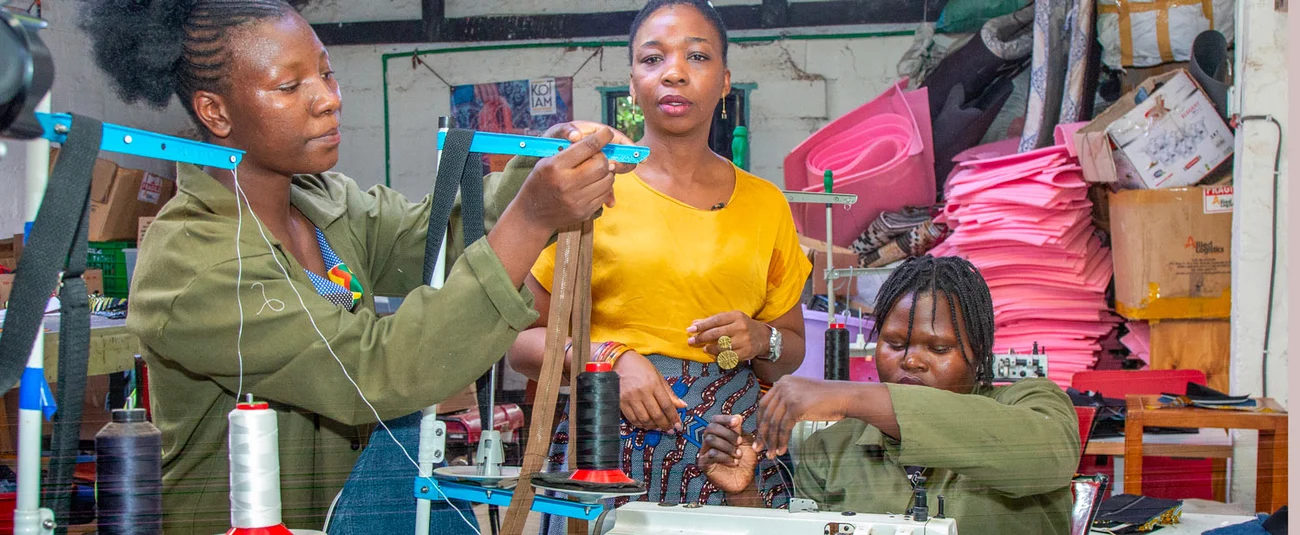
Women-led businesses Nigeria-wide could gain improved access to affordable loans and agricultural financing after the African Development Bank (AfDB) approved a $61 million funding package aimed at supporting women entrepreneurs and small businesses across the country.
The funding package, approved by the Board of Directors of the African Development Bank Group on April 29, will be channelled through the Development Bank of Nigeria (DBN) to support women-owned and women-led Micro, Small and Medium Enterprises (MSMEs), especially those operating within agriculture, clean energy, healthcare, and other productive sectors.
The initiative comes at a time when many Nigerian entrepreneurs are struggling with rising inflation, high commercial lending rates, foreign exchange instability, and limited access to formal financing.
According to the African Development Bank, the financing package combines long-term loans, concessional support, grants, and credit guarantees to improve access to credit for women entrepreneurs and strengthen Nigeria’s MSME ecosystem.
What The $61 Million Package Includes
The AfDB financing package is structured into three major components:
- A $50 million gender-focused line of credit
- An $8 million concessional facility under the Agri-Food SME Catalytic Financing Mechanism (ACFM)
- A $3 million grant under the Affirmative Finance Action for Women in Africa (AFAWA) initiative, funded by the Women Entrepreneurs Finance Initiative (We-Fi)
The African Development Bank said more than 95 per cent of the financing is specifically earmarked for women-led businesses and women-owned SMEs.
The package will be distributed through DBN’s network of participating financial institutions to improve lending to small businesses and support inclusive economic growth in Nigeria.
According to the Bank, the programme aligns with broader efforts to close Africa’s gender financing gap and expand economic participation among women entrepreneurs.
Why Nigerian Women Entrepreneurs Need Support
Access to affordable credit remains one of the biggest challenges facing women entrepreneurs Nigeria-wide.
Many small business owners rely on informal loans, cooperative societies, or high-interest commercial borrowing to sustain operations. Analysts say these financing constraints have worsened due to inflationary pressures, rising production costs, and reduced purchasing power.
Nigeria’s MSME sector contributes significantly to employment and economic activity, yet many small businesses continue to face difficulties accessing long-term financing from conventional banks.
Women-owned enterprises are often more vulnerable because of:
- Limited collateral assets
- Lower financial inclusion rates
- Higher exposure to informal markets
- Restricted access to investment networks
Agriculture-focused businesses have also faced rising operational costs linked to transportation, insecurity, and fluctuating input prices.
The AfDB intervention is therefore expected to provide relief for some women-led agribusinesses, food processors, healthcare startups, and clean energy ventures seeking lower-cost financing options.
Agriculture Sector Expected To Benefit
A major focus of the programme is agricultural financing.
The inclusion of the Agri-Food SME Catalytic Financing Mechanism reflects growing concerns about food production, food inflation, and financing shortages affecting agricultural SMEs in Nigeria.
Agriculture remains one of Nigeria’s largest employers, but access to formal credit for small-scale farmers and agro-processors remains limited.
Industry analysts say women entrepreneurs play a major role in:
- Food processing
- Retail distribution
- Farming cooperatives
- Agribusiness value chains
However, many female-led agricultural businesses struggle to scale due to limited financing.
The new AfDB package could help participating financial institutions extend loans to underserved sectors while reducing lending risks associated with MSMEs.
The move also aligns with wider African development financing efforts focused on food security and economic resilience. In a recent report on Africa’s economic outlook, AfDB emphasised the importance of strengthening private-sector financing and inclusive growth across the continent. Africa Economic Resilience Report
AfDB And DBN Partnership
The latest approval further strengthens the longstanding relationship between the African Development Bank and the Development Bank of Nigeria.
AfDB previously supported DBN through startup equity, governance support, and long-term financing alongside the Federal Government of Nigeria and other development partners.
DBN was established to improve access to financing for micro, small, and medium enterprises by working through commercial banks and other financial institutions.
The Bank believes expanding access to affordable financing can stimulate entrepreneurship, create jobs, and strengthen economic productivity.
The financing approval also aligns with AfDB’s broader development strategies, including:
- Private-sector growth
- Gender equality
- Inclusive economic transformation
- Youth-focused development
- Green growth initiatives
The initiative further supports Nigeria’s Country Strategy Paper for 2025–2030, which prioritises gender-inclusive and youth-focused economic growth.
AfDB Speaks On Women Entrepreneurs Nigeria
Commenting on the approval, Dr Abdul Kamara, Director General of the African Development Bank Group Nigeria Country Office, described women entrepreneurs as one of Nigeria’s most underutilised economic assets.
“Women entrepreneurs are one of Nigeria’s greatest economic assets and one of its most underleveraged,” Kamara said.
He added that the programme is designed not only to expand access to credit but also to strengthen inclusive economic transformation through investments in women-owned businesses operating across agriculture, healthcare, clean energy, and related sectors.
Further details on the financing package were published by the African Development Bank in its official announcement. African Development Bank statement
Economic Implications For Nigeria
Economic experts say targeted financing for women entrepreneurs could contribute to:
- Job creation
- Increased productivity
- Improved food supply chains
- Stronger SME resilience
- Higher financial inclusion
However, analysts also note that implementation will be critical.
Concerns remain over:
- Loan accessibility
- Bureaucratic bottlenecks
- Awareness among rural entrepreneurs
- Monitoring and transparency
Commercial lending rates in Nigeria have remained high in recent years, making affordable development financing increasingly important for SMEs.
The AfDB package may therefore provide an alternative funding pathway for businesses unable to secure conventional bank loans.
The initiative also reflects a broader continental push to mobilise private capital and strengthen development finance institutions across Africa. Earlier AfDB policy discussions highlighted the need for stronger financing mechanisms to support African economic transformation and industrial growth. AfDB Private Capital Strategy
Outlook For Women-Led Businesses Nigeria
For many women entrepreneurs Nigeria-wide, access to sustainable financing could determine whether businesses survive or expand in the current economic climate.
The AfDB funding package is expected to improve lending opportunities for selected SMEs while strengthening the role of women-led enterprises in agriculture, healthcare, clean energy, and local manufacturing.
Although the long-term impact will depend on implementation and loan accessibility, the approval signals growing international recognition of the role women entrepreneurs play in Nigeria’s economic development.
With inflation, unemployment, and business operating costs continuing to pressure small enterprises, targeted development financing is increasingly being viewed as essential for inclusive economic growth.
Recommended Coverage
- Tinubu Seeks Senate Approval For $516m Loan — Nigeria’s latest borrowing plans have intensified conversations around development financing and economic priorities.
- AfDB Pushes Private Capital Shift In Africa — The report examines broader African financing reforms linked to private-sector growth and SME development.
- AfDB 2026 Economic Resilience Report Explained — A deeper look at Africa’s economic recovery efforts and the role of development banks.
- Nigeria Police Accountability Debate Intensifies After Mene Ogidi Killing — The story explores governance and institutional trust issues affecting Nigeria’s social and economic climate.
About the Author