Nigeria Senate Rules Favor Ranking Lawmakers Ahead of 2027
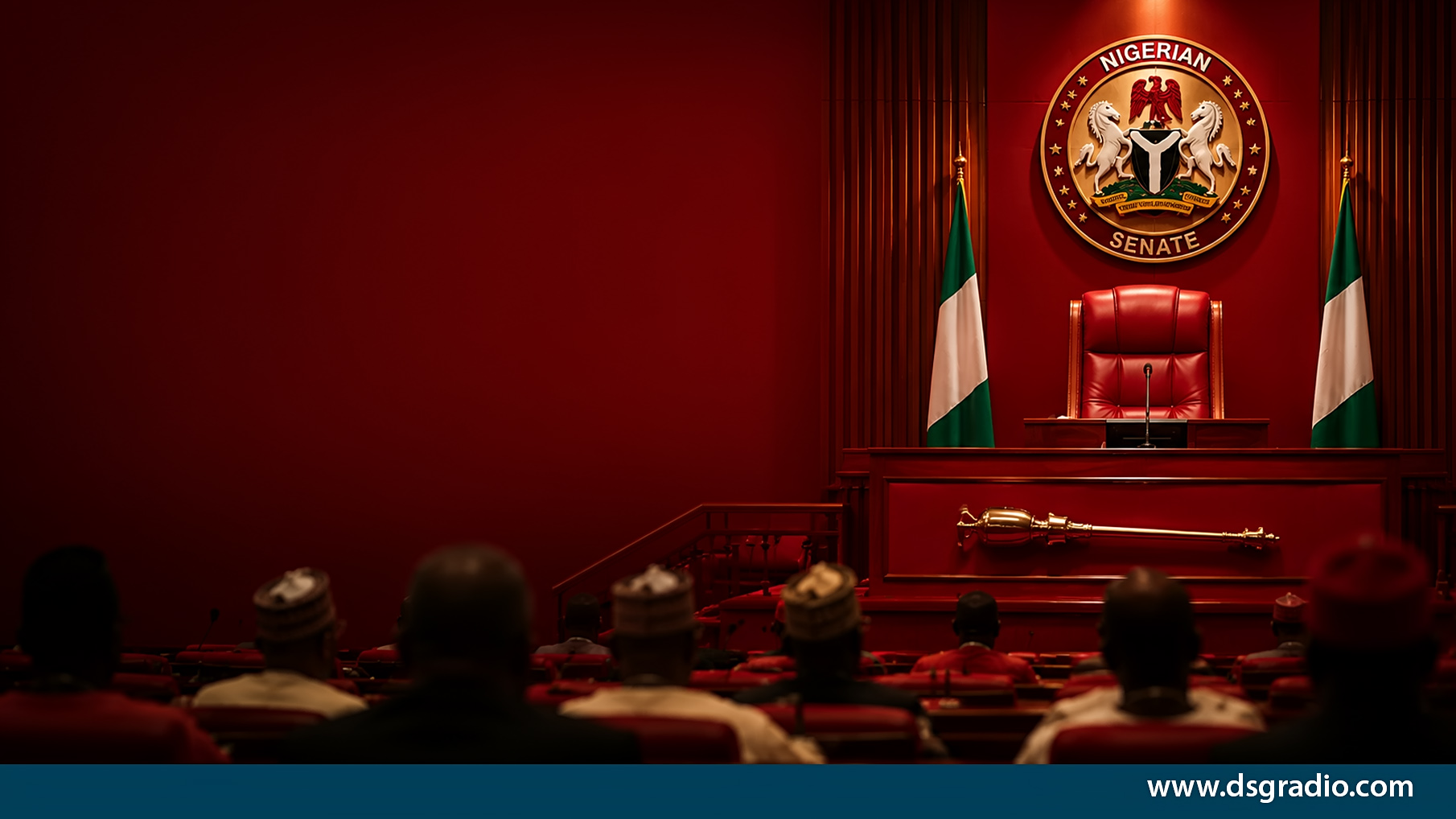
Nigeria’s Senate has introduced sweeping amendments to its Standing Orders that significantly narrow eligibility for top leadership positions in the 11th National Assembly, a move analysts say could reshape political alliances and power calculations ahead of the 2027 elections.
The amendments, adopted during a closed-door executive session of the 10th Senate on Tuesday, May 5, 2026, reinforce the long-standing ranking tradition within Nigeria’s upper legislative chamber by prioritising experienced and returning lawmakers for presiding and principal offices.
Under the revised rules, only senators with prior legislative experience — particularly those returning from the current Assembly — can contest for positions such as Senate President, Deputy Senate President, Senate Leader, Chief Whip, and other principal offices.
The changes have triggered intense political discussions across Nigeria, with supporters arguing that the reforms will strengthen institutional memory and parliamentary efficiency, while critics warn that the amendments could reduce inclusiveness and limit opportunities for emerging political figures.
Senate Moves to Consolidate Institutional Experience
The revised Standing Orders amend Orders 4 and 5 of the Senate Rules, establishing a stricter hierarchy for leadership nominations and tightening eligibility requirements for principal offices.
The new framework categorises lawmakers based on legislative experience and ranking. Preference for Senate leadership positions will now follow a hierarchy that prioritises:
- Former Senate Presidents
- Former Deputy Senate Presidents
- Former Principal Officers
- Senators with at least one completed term
- Former House of Representatives members
- First-time senators only when no higher-ranking candidate emerges
The Senate also introduced a stricter requirement for principal offices, stating that lawmakers must have served at least two consecutive Senate terms immediately before nomination.
By implication, the new rules largely restrict leadership contests in the 11th National Assembly to senators who are currently serving in the 10th Senate and who also served in the immediate past Assembly.
The development effectively excludes many first-time entrants and returning politicians who were absent from recent Senate sessions.
According to lawmakers, the reforms are intended to strengthen legislative continuity, improve procedural expertise, and align Nigeria’s parliamentary operations with practices seen in more established democracies.
Former APC National Chairman Adams Oshiomhole has reportedly opposed a proposed Senate rule amendment ahead of the 2027 political season.
Oshiomhole Rejects Senate Rule Change That Complicates 2027 Ambitions for Uzodimma, Others
— Imran Muhammad (@Imranmuhdz) May 5, 2026
Under the revised Order 4, nomination for presiding officers must follow this order of ranking:
1. Former Senate President
2. Former Deputy Senate President
3. Former Principal… pic.twitter.com/4J8foqVVDm
The development has sparked reactions across political circles…
What the Amendments Mean for the 11th National Assembly
The amendments are already being interpreted as one of the earliest political manoeuvres ahead of the 2027 elections and the inauguration of the 11th National Assembly.
Political observers say the revised Nigerian Senate rules could dramatically shrink the pool of contenders for the Senate Presidency and other strategic offices.
Analysts argue that the amendments create what some describe as a “closed-circle leadership structure” that favours entrenched political actors over newcomers.
The immediate effect is expected to influence:
- Political negotiations within major parties
- Senate ticket calculations ahead of 2027
- Campaign strategies for lawmakers seeking re-election
- Internal zoning and alliance discussions
The move may also strengthen the influence of ranking lawmakers who already possess institutional networks and legislative influence within the National Assembly.
Supporters of the reforms insist the Senate cannot afford inexperienced leadership at a time Nigeria faces complex economic, security, and governance challenges.
The Senate has recently played a central role in fiscal and economic decisions, including approving Nigeria’s record national budgets. In February, lawmakers passed the country’s ₦68.3 trillion budget proposal, a move detailed in DSG HERALD’s report on theSenate approval of Nigeria’s 2026 budget.
The upper chamber also reviewed President Bola Tinubu’s expanded spending plans during discussions surrounding the 2025 budget increase proposal aimed at strengthening economic growth and security.
Why Nigeria’s Ranking Tradition Matters
Nigeria’s National Assembly has historically operated under an informal ranking culture that gives experienced lawmakers preference in committee assignments and leadership selections.
However, the latest amendments formally codify and tighten those traditions within the Senate’s internal rules.
The ranking system has often shaped the emergence of Senate Presidents in previous Assemblies, although political negotiations, party endorsements, and executive influence have also played decisive roles.
Supporters argue that experienced lawmakers better understand legislative procedures, budget processes, constitutional oversight responsibilities, and intergovernmental negotiations.
According to advocates of the reforms, continuity in leadership could reduce internal instability and improve the Senate’s effectiveness.
Critics, however, say the reforms risk deepening elitism within the legislature.
Some analysts argue that the rules could discourage political renewal and limit opportunities for younger or reform-minded politicians entering the Senate for the first time.
Others believe the amendments may increase perceptions that Senate leadership contests are predetermined before the inauguration of a new Assembly.
Debate Over Democratic Inclusion
The revised Senate leadership eligibility rules have already sparked debate among political stakeholders and governance observers.
Critics argue that democratic institutions should remain open to broader competition rather than narrow eligibility criteria.
Some constitutional and governance analysts warn that concentrating leadership opportunities among a small group of veteran lawmakers could weaken internal democracy within the legislature.
Others note that experience alone does not automatically guarantee effective leadership.
Still, supporters maintain that legislative expertise is essential for managing parliamentary procedures and national governance.
They point to examples from other parliamentary systems where seniority and institutional continuity play important roles in leadership emergence.
Details regarding whether any lawmakers formally opposed the amendments during the executive session were not specified in the original report.
Political Implications Ahead of 2027
The timing of the amendments has fueled speculation about early positioning ahead of the next electoral cycle.
The Senate leadership race is often one of Nigeria’s most politically sensitive contests, attracting attention from political parties, governors, regional blocs, and the Presidency.
By restricting eligibility largely to ranking lawmakers, the amendments may influence:
- Re-election ambitions of sitting senators
- Party primaries ahead of 2027
- Regional calculations over Senate leadership zoning
- Coalition-building among experienced lawmakers
The reforms may also increase pressure on first-term senators seeking long-term political relevance within the National Assembly.
Political analysts say lawmakers hoping to remain influential in future leadership contests may now prioritize securing re-election in 2027.
As reported by BusinessDay’s coverage of the Senate amendments, the revised rules significantly reduce the field of eligible contenders for principal offices in the next Assembly.
Meanwhile, another report published by the National Assembly Library and Training Foundation noted that the reforms were designed to reinforce parliamentary experience and institutional continuity within the Senate.
Could the Amendments Face Wider Scrutiny?
Although the Senate possesses the authority to regulate its internal procedures, political observers say the amendments may continue to generate public scrutiny as 2027 approaches.
Questions are likely to emerge over whether the reforms strengthen governance or merely protect entrenched political interests.
The broader debate may also become part of larger national conversations around political inclusion, institutional reform, and democratic competitiveness in Nigeria.
For now, however, the amendments stand as one of the clearest indications yet that preparations for the political battles of 2027 have already begun inside Nigeria’s National Assembly.
The revised Nigeria Senate rules are expected to shape not only leadership contests but also the alliances, negotiations, and legislative calculations that will define the next phase of Nigeria’s political landscape.
Recommended Coverage:
- China Expands Global Tech Influence Through AI Push
Explore how global power structures are shifting as governments strengthen institutional control and strategic policy direction. - China Opens Tariff-Free Access to African Economies
The report highlights how major policy changes can reshape economic and political influence across emerging regions. - China-Djibouti Relations Reveal Strategic Global Competition
This analysis examines how long-term institutional planning influences geopolitical power and international alliances.
About the Author