Nigeria Minimum Wage Debate Deepens Over N100,000 Plan
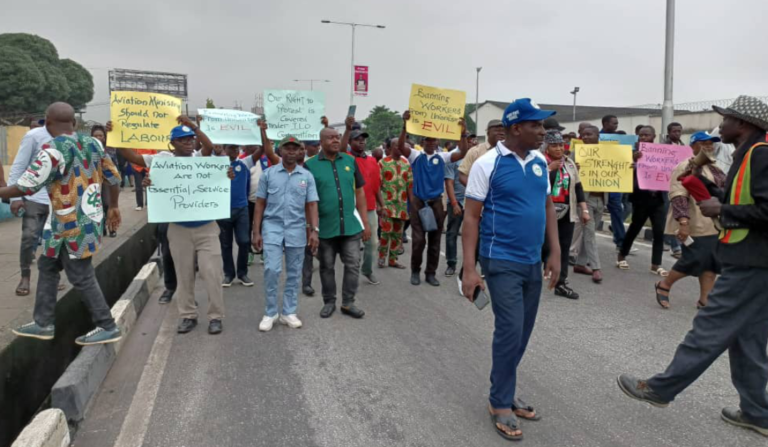
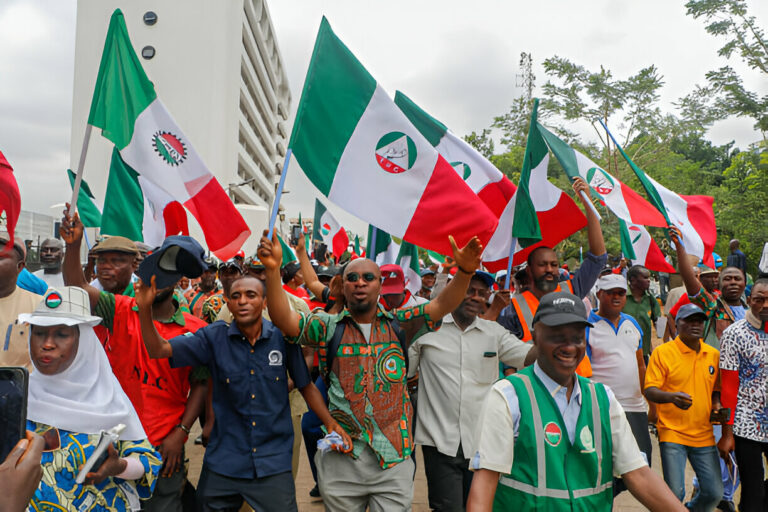
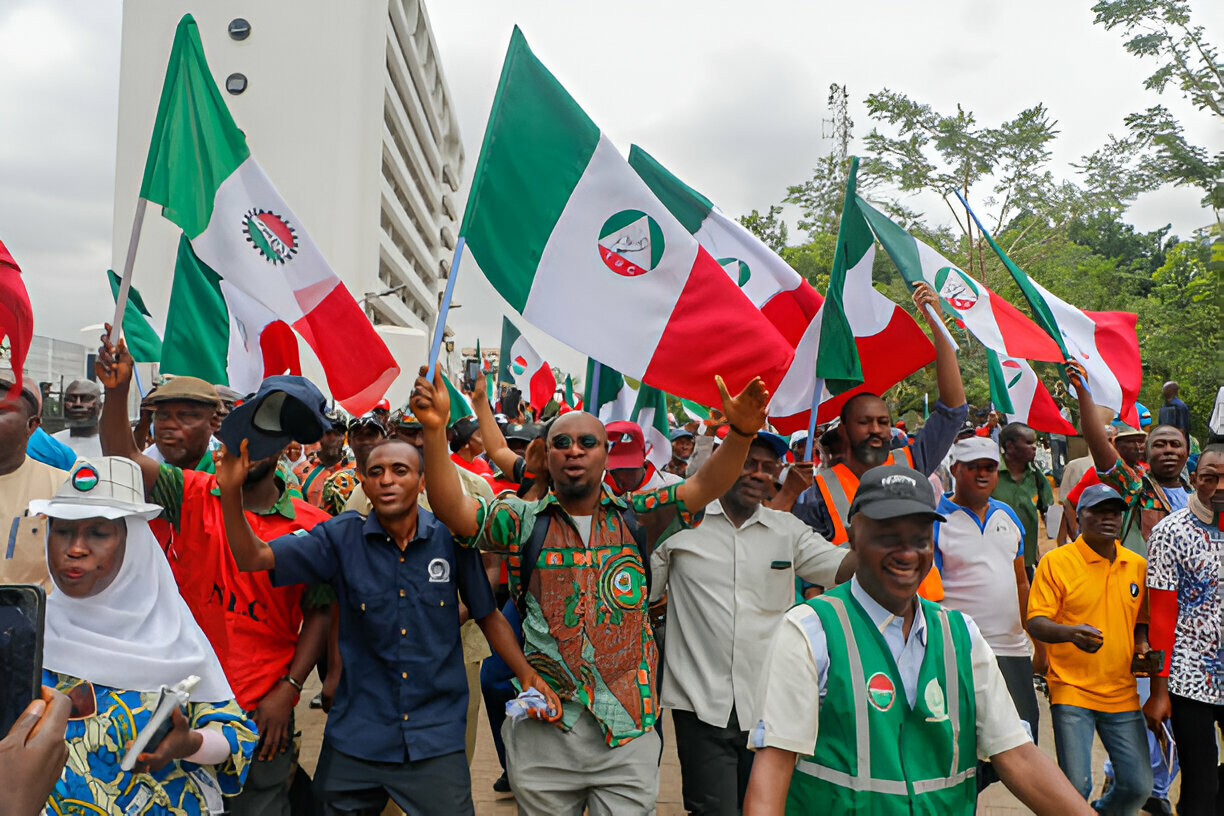
As food prices, transport fares, electricity bills and housing costs continue to rise across Nigeria, a fresh debate has emerged over what constitutes a livable wage. The Nigeria Labour Congress (NLC) has argued that a proposed N100,000 national minimum wage would do little to shield workers from mounting economic pressures, reigniting discussions about the true value of income in Africa’s largest economy.
The renewed controversy follows remarks by the Chairman of the Nigeria Governors’ Forum (NGF) and Governor of Kwara State, AbdulRahman AbdulRazaq, who disclosed that state governors were considering a new minimum wage benchmark of N100,000. The proposal comes less than two years after the Federal Government approved a national minimum wage of N70,000 in July 2024, following lengthy negotiations with organised labour.
However, labour leaders insist that the economic landscape has changed dramatically since that agreement was reached. They argue that inflation, currency depreciation, increased energy costs and new tax pressures have eroded workers’ purchasing power to such an extent that even a N100,000 monthly wage would leave many households struggling to meet basic needs.
Why the Nigeria Minimum Wage Debate Has Returned
The latest discussion emerged after AbdulRazaq revealed that governors were engaging with the Federal Government and labour unions to identify a wage structure that balances workers’ welfare with government financial realities. According to the governors’ position, rising inflation and growing financial pressures on workers have made another review necessary.
While the proposal may appear significant relative to the current N70,000 benchmark, organised labour believes it does not reflect current economic conditions.
NLC spokesperson Benson Upah described the proposal as thoughtful but inadequate, arguing that the realities facing Nigerian workers demand a much higher wage threshold. He cited persistent inflation, exchange-rate instability, rising petrol prices, increased electricity tariffs and declining purchasing power as reasons why the proposed figure falls short.
The disagreement highlights a broader challenge confronting policymakers: how to protect workers from economic hardship while ensuring governments can sustain wage obligations at the federal, state, and local levels.
How Inflation Has Reduced Workers’ Purchasing Power
The heart of the argument lies in the purchasing power of Nigerian workers.
Over the past several years, inflation has significantly increased the cost of essential goods and services. Food prices remain elevated, transportation costs have risen sharply following fuel subsidy reforms, and utility expenses continue to place additional strain on household budgets.
For many workers, salary increases have not kept pace with these rising costs.
Economists often distinguish between nominal wages and real wages. Nominal wages refer to the actual amount earned, while real wages measure what that income can purchase after accounting for inflation.
Although the minimum wage rose from N30,000 to N70,000 in 2024, many workers argue that their real income has continued to decline because prices have risen faster than wages.
This issue is not unique to Nigeria. Across several developing economies, governments have faced pressure to increase wages amid rising inflation and currency volatility. However, labour groups maintain that Nigeria’s situation has become particularly severe due to the combined effects of inflationary pressures, energy reforms and foreign exchange adjustments.
What N100,000 Can Buy in Nigeria Today
One of the key questions driving public interest is whether N100,000 remains a realistic living wage.
Across many urban centres, housing costs alone consume a significant portion of household income. Rent, transportation, food, healthcare and education expenses continue to rise.
A worker earning N100,000 monthly may still face difficult choices regarding basic necessities.
In cities such as Lagos, Abuja, Port Harcourt, and other major commercial centres, transportation costs have increased substantially since the removal of fuel subsidies. Food inflation has also affected staples consumed by millions of households.
As a result, labour unions argue that discussions should focus not only on wage figures but also on what those wages can realistically provide.
This broader debate reflects an important shift from traditional wage negotiations to discussions of living wages—income levels sufficient to support a reasonable standard of living under prevailing economic conditions.
Why Labour Wants a Higher Wage
The NLC has taken a more aggressive position, suggesting that a realistic living wage could be significantly higher than the N100,000 currently being discussed.
According to Upah, several factors justify a substantial increase, including:
- Exchange-rate volatility
- Inflationary pressures
- Higher electricity tariffs
- Increased petrol prices
- Reduced purchasing power
- New tax-related costs on households
Labour leaders contend that workers remain the backbone of national productivity and economic growth. They argue that governments should view wage increases not merely as expenditures but as investments in human capital and national development.
The union also cites increased government revenues and allocations as evidence that improved worker compensation is achievable. Upah referenced federal revenue inflows and Federation Account Allocation Committee (FAAC) distributions as factors supporting labour’s position.
Supporters of higher wages argue that higher incomes could stimulate consumer spending, strengthen local businesses and improve economic activity.
Critics, however, warn that large wage increases could create additional fiscal pressures for governments already managing debt obligations and infrastructure demands.
Can Governments Afford Another Wage Increase?
One of the most important questions surrounding the Nigeria minimum wage debate is affordability.
State governments vary significantly in their financial capacity. While some states generate substantial internally generated revenue, others rely heavily on federal allocations to meet recurrent obligations.
This disparity complicates efforts to establish a uniform wage framework nationwide.
Governors must balance multiple responsibilities, including:
- Salary payments
- Pension obligations
- Infrastructure projects
- Healthcare funding
- Education investments
- Security spending
The NGF’s emphasis on fiscal sustainability reflects concerns that excessively high wage commitments could strain public finances.
At the same time, labour organisations argue that failing to address workers’ welfare may create long-term economic and social consequences.
The challenge for policymakers is finding a wage level that protects workers while remaining sustainable across all levels of government.
For additional analysis on public finances and government spending priorities, readers can explore DSG Herald’s coverage of Nigeria’s N68.3 trillion budget approval and NNPC revenue remittance reforms:
- Nigeria’s 2026 Budget of N68.3 Trillion Approved by the Senate
- Executive Order 9 Drives Higher NNPC Revenue Remittance
The Wider Economic Context
The current debate cannot be separated from Nigeria’s broader economic reforms.
The removal of fuel subsidies and the liberalisation of the foreign exchange market were introduced to improve economic efficiency and strengthen public finances. However, these reforms also contributed to short-term inflationary pressures affecting households and businesses.
Supporters argue that the reforms are necessary for long-term economic stability.
Critics counter that workers have borne a disproportionate share of the adjustment costs.
This tension has become one of the defining economic policy debates in Nigeria.
As policymakers pursue reforms to strengthen growth, labour groups continue to demand measures to cushion citizens against rising living costs.
Global Comparisons and Lessons
Around the world, governments are confronting similar challenges.
Countries facing inflationary pressures have implemented various strategies, including:
- Minimum wage adjustments
- Tax relief measures
- Subsidised transportation programmes
- Energy support initiatives
- Social welfare interventions
In many cases, wage increases are accompanied by broader economic policies aimed at reducing the cost of living rather than relying solely on salary adjustments.
Experts note that wage policy works best when combined with efforts to improve productivity, create jobs and stabilise prices.
For Nigeria, the debate may increasingly focus on a combination of wage increases and policies to reduce household expenses.
What This Means for Nigerian Workers
For millions of workers, the debate extends beyond numbers.
It touches on affordability, quality of life and economic security.
Many households are struggling to balance rising expenses with stagnant incomes. Workers want assurance that their earnings can support housing, transportation, education, healthcare and food without forcing difficult sacrifices.
The outcome of discussions between governors, organised labour and the Federal Government will therefore carry significant implications for households across the country.
While no formal agreement has yet emerged, the debate itself underscores growing concern about the relationship between wages and living standards in modern Nigeria.
Whether policymakers settle on N100,000 or another figure entirely, the conversation has highlighted a central question confronting Africa’s largest economy:
How can Nigeria ensure that economic reforms, government revenues and wage policies translate into improved living conditions for ordinary workers?
The answer may shape labour relations, economic policy discussions and household welfare debates for years to come.
Recommended Coverage
Anti-Corruption Trial Tests International Accountability
Diezani London Trial Tests Global Anti-Corruption Enforcement
Examines the international legal implications of one of Nigeria’s most closely watched corruption-related proceedings.
Free Speech Debate Intensifies After Court Arraignment
Justice Crack Arraignment Fuels Free Speech Debate
Explores concerns about civil liberties, online expression and legal accountability.
Court Proceedings Continue in High-Profile Political Case
Uche Nnaji Court Settlement Talks Fail to Break Deadlock
Provides updates on ongoing legal and political developments surrounding the case.
University Abuse Case Draws National Attention
UNILAG Lecturer Rape Trial: Student Gives Testimony in Court
Reviews key developments and wider implications for campus safety and accountability.
About the Author