Clergy Sexual Abuse Case: How Spiritual Authority Led to Nigerian-Born Priest’s Conviction in Texas
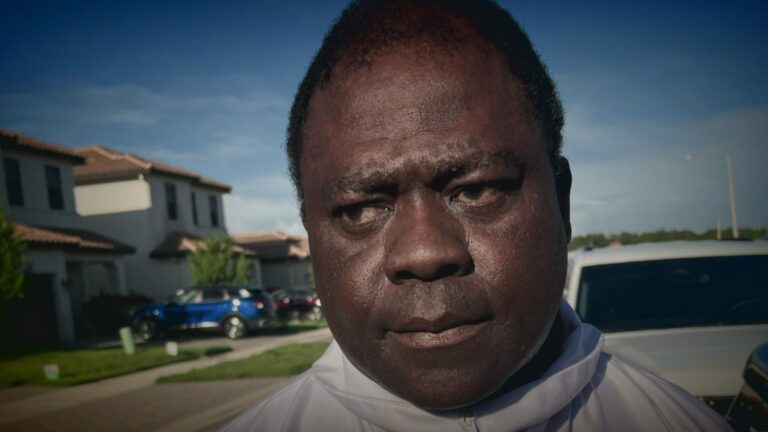
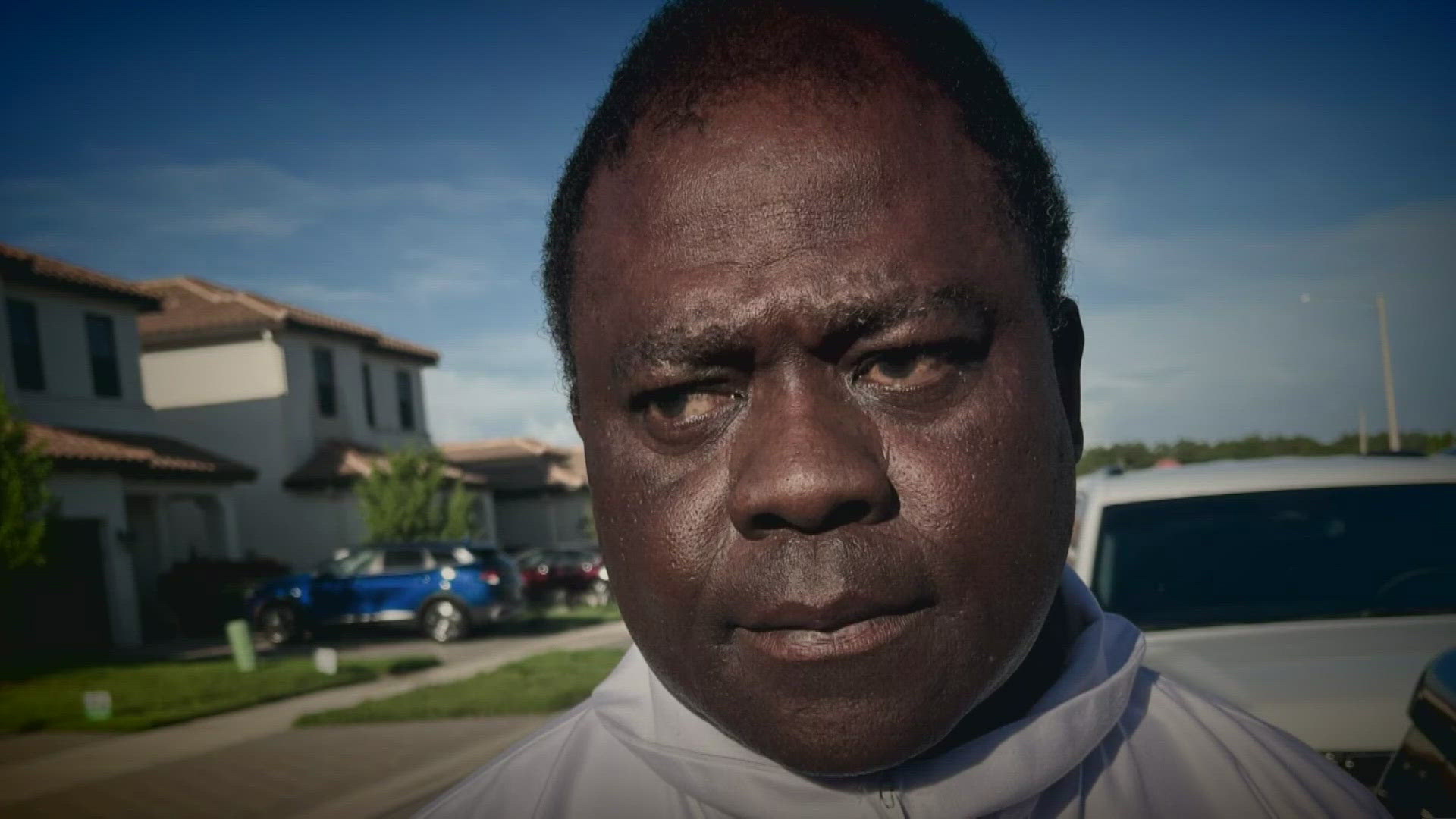
A Texas jury has convicted Nigerian-born former Catholic priest Anthony Odiong of sexual assault, bringing a closely watched clergy sexual abuse case to a dramatic conclusion and reigniting discussions about accountability, abuse of spiritual authority, and the responsibility of religious institutions to protect vulnerable members of their congregations. The verdict, delivered in Waco after jurors deliberated for about two hours, marks a significant development in a case that has drawn attention across the United States and among religious communities internationally.
The conviction comes after years of allegations from women who said Odiong used his position as a trusted spiritual adviser to establish inappropriate and abusive relationships. Prosecutors argued that the former priest exploited the trust placed in him by women seeking religious guidance during difficult periods in their lives.
For many observers, the verdict is about more than a single criminal trial. It represents a broader reckoning over the abuse of power within faith communities and underscores the increasing willingness of victims to come forward even years after alleged misconduct occurred.
Texas Jury Finds Former Priest Guilty in Clergy Sexual Abuse Case
The jury, made up of eight women and four men, found Odiong guilty of one count of first-degree sexual assault and two counts of second-degree sexual assault involving two women who testified during the trial in Waco, Texas.
Odiong, 57, had pleaded not guilty.
The conviction carries potentially severe consequences. He now faces a possible life sentence on the first-degree charge, while each second-degree conviction could result in prison terms ranging from two to twenty years. Sentencing proceedings are expected to be held before the same jury.
Courtroom accounts indicated that Odiong showed little visible reaction as the verdict was read. Reports said he looked straight ahead before lowering his head as deputies escorted him from the courtroom.
The outcome follows months of public scrutiny and years of investigations into allegations that stretched back more than a decade.
Abuse of Spiritual Authority at the Centre of the Case
The central issue in the clergy sexual abuse case was not merely whether sexual conduct occurred but whether a religious leader abused his position of trust and influence.
Prosecutors argued that Odiong’s role as a spiritual adviser created a significant power imbalance between himself and the women who sought his guidance. According to testimony presented during the trial, the relationships emerged while the women were navigating personal crises, including divorce and abusive marriages.
One complainant, identified in court as Mary Doe, testified that Odiong initiated a long-term sexual relationship while serving as her spiritual counsellor during a difficult period in her life. Another complainant, Jane Doe, told jurors that she sought religious guidance while trapped in an abusive marriage and later experienced conduct prosecutors described as criminal under Texas law.
Experts who testified during the proceedings emphasised that clergy members have an obligation to maintain professional and spiritual boundaries. According to testimony heard by the jury, these boundaries are considered essential because parishioners often approach religious leaders while facing emotional, financial, family, or psychological challenges.
The prosecution’s argument, therefore, focused heavily on trust, influence, and authority rather than merely personal relationships.
Victims Helped Revive Years-Old Allegations
A notable aspect of the case is that many of the allegations date back years.
The prosecution stemmed from claims first brought into public view in early 2024 when several women accused Odiong of sexual coercion, unwanted touching, and abusive financial control while serving in Texas and Louisiana.
One complainant reportedly presented a media report detailing allegations against Odiong to law enforcement authorities before filing her own complaint. Investigators later identified additional women whose accounts helped establish probable cause for arrest and prosecution despite the age of the allegations.
The case also highlighted the difficulties often associated with prosecuting historic abuse allegations.
Prosecutors withdrew one portion of the case after a third complainant, described as emotionally fragile, was unable to testify. Authorities said they chose not to compel her appearance because of concerns about her emotional condition.
Advocates for abuse survivors frequently argue that delayed reporting is common in cases involving authority figures because victims may fear stigma, disbelief, retaliation, or emotional trauma.
Prosecutors Cite Pattern of Misconduct
Another significant element of the trial involved evidence that prosecutors said demonstrated a broader pattern of behaviour.
Jurors heard testimony regarding DNA evidence that established Odiong fathered a child in 2023 with a woman whom he had reportedly counselled spiritually while serving in Louisiana. Although no criminal charge was filed in connection with that relationship because Louisiana law differs from Texas law, prosecutors argued that the evidence illustrated a recurring pattern involving women encountered through his ministerial work.
The defence challenged the allegations and called a former parishioner as a witness to testify about Odiong’s character.
However, under cross-examination, the witness reportedly acknowledged that some of the conduct attributed to the former priest fell short of expectations for a religious leader.
The jury ultimately sided with prosecutors.
Church Response and Previous Suspension
The conviction has also renewed attention on how church authorities responded to earlier allegations.
According to evidence discussed during the case, church officials in Austin suspended Odiong from ministry in 2019 over allegations involving multiple women. However, the suspension was not publicly disclosed at the time. Church leaders later stated that authorities in New Orleans had been informed.
Questions surrounding institutional transparency have become increasingly significant in religious organisations worldwide.
Over the past two decades, numerous churches and faith-based institutions have faced pressure to strengthen reporting mechanisms, improve safeguarding procedures, and increase accountability when allegations emerge.
Critics often argue that delayed disclosure can undermine public confidence and potentially leave vulnerable individuals at risk.
Supporters of stronger safeguarding policies contend that transparency remains one of the most effective tools for maintaining trust between religious institutions and the communities they serve.
Why the Conviction Matters Beyond Texas
The significance of this clergy sexual abuse case extends beyond the courtroom in Waco.
Religious institutions remain among the most influential organisations in many societies, including Nigeria and much of Africa. Clergy members often play important roles not only in spiritual guidance but also in education, social welfare, counselling, and community leadership.
Because of this influence, allegations involving abuse of spiritual authority frequently attract intense public interest.
The verdict may encourage broader conversations about:
- Safeguarding within religious institutions
- Accountability for faith leaders
- Victim support mechanisms
- Transparency in disciplinary processes
- Legal protections against abuse of authority
The case also highlights the growing willingness of legal systems to examine allegations involving religious figures through the same criminal justice standards applied to other professions.
Nigerian and African Relevance
The conviction is likely to draw attention in Nigeria because Odiong was ordained a Catholic priest in his native country in 1993 before relocating to the United States.
Nigeria is home to one of the world’s largest Christian populations, while Africa continues to experience some of the fastest church growth rates globally.
The case, therefore, touches on issues that resonate far beyond one individual.
Many faith communities across Africa have increasingly emphasized accountability, ethical leadership, and safeguarding policies as churches expand their social influence.
The story may also prompt discussions about the responsibilities of religious institutions operating across multiple countries and jurisdictions.
Readers interested in broader developments within global Christianity may also find relevant context in DSG HERALD’s previous coverage of church growth and faith trends across Africa.
What the Verdict Means for Clergy Accountability
Legal experts and church observers often cite cases like this as evidence of changing expectations regarding accountability.
Historically, allegations involving influential religious figures sometimes remained confined to internal disciplinary systems.
Today, however, there is increasing emphasis on cooperation between religious organisations and law enforcement authorities.
The conviction reinforces several key principles:
- Spiritual authority does not place individuals above the law.
- Professional boundaries are essential in counselling relationships.
- Historic allegations can still result in prosecution.
- Institutional responses face growing public scrutiny.
- Victim testimony remains critical in accountability processes.
The case may also influence future discussions regarding clergy sexual assault statutes and how different jurisdictions address allegations involving religious authority figures.
Sentencing and Next Legal Steps
Attention will now turn to sentencing.
Because Odiong was convicted on a first-degree sexual assault charge in addition to two second-degree counts, the penalties could be substantial. The same jury is expected to hear sentencing arguments before determining his punishment.
Legal observers will closely watch the proceedings as the case moves into its final phase.
Regardless of the sentence ultimately imposed, the verdict has already become a significant chapter in ongoing discussions about religious leadership, institutional responsibility, and the consequences of abusing positions of trust.
As reported by The Guardian through coverage referenced in the case reporting, the conviction concludes one stage of a legal battle that has attracted widespread public attention.
For many advocates, however, the broader conversation surrounding abuse of spiritual authority, victim protection, and institutional accountability is likely to continue long after the sentencing process ends.
Recommended Coverage
Catholic Church Growth in Africa: What a 100,000-Person Mass Reveals About Global Faith
Explores Africa’s growing influence on global Christianity and the future direction of the Catholic Church.
Rev. Fr. Emmanuel Edeh: 50 Years of Faith and Impact
Examines the legacy of one of Nigeria’s influential Catholic leaders and his contributions to education and faith-based development.
Free Public Library Brings New Hope to Irete Students
Highlights community development efforts and the role of social institutions in education and empowerment.
Imo Church Robbery Fears Raise Security Questions
Looks at concerns surrounding church security and the protection of religious facilities in Nigeria.
About the Author