Boko Haram Attack Chad Renews Lake Chad Fears
A renewed Boko Haram assault in Chad’s Lake Chad region has reignited concerns about the resilience of armed groups operating across Central Africa, despite years of military offensives aimed at dismantling insurgent strongholds.
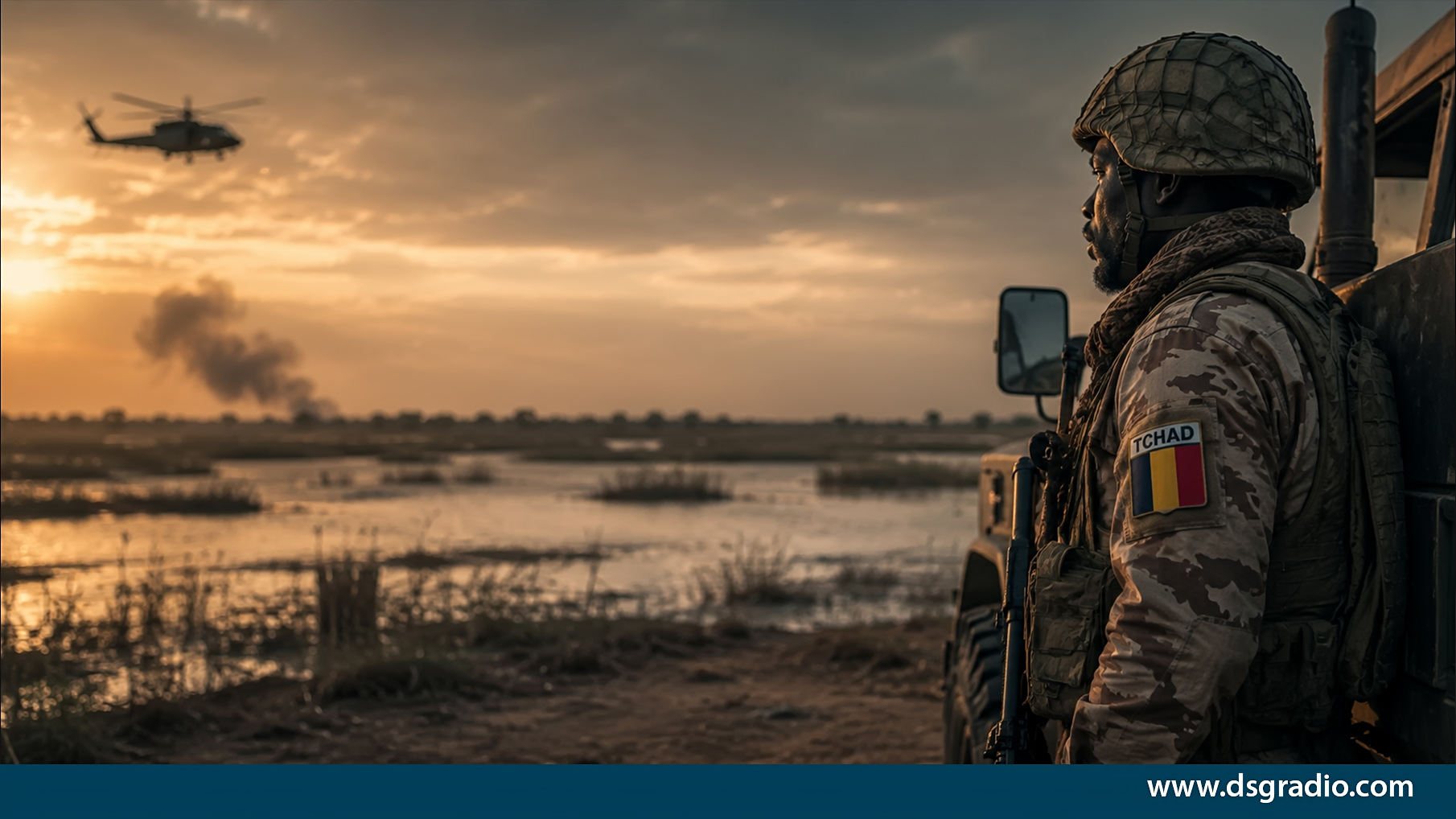
Initial reports indicate that more than 20 Chadian soldiers were killed after suspected Boko Haram fighters attacked a military position in Barka Tolorom late Monday night. Conflicting official estimates placed the death toll between 23 and 24 soldiers, while dozens more were reported injured.
The attack, which targeted a military post on the shores of Lake Chad, marks one of the deadliest assaults on Chadian forces in recent months and has raised fresh questions about the effectiveness of previous counterterrorism operations in the region.
According to statements released by Chad’s armed forces and President Mahamat Idriss Déby Itno, the attackers were eventually repelled, with the military claiming that a “significant number” of militants were killed during the confrontation.
The latest Boko Haram attack in Chad also underscores the growing security challenges facing countries surrounding Lake Chad, where armed factions continue to exploit difficult terrain, porous borders, and isolated island communities.
What Happened in Barka Tolorom
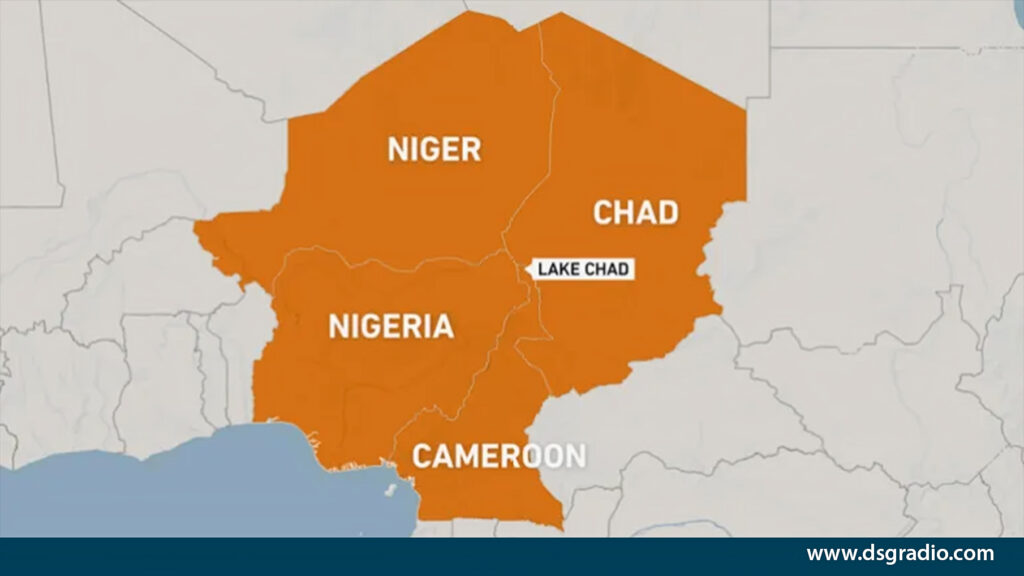
The overnight assault reportedly occurred at a military base in Barka Tolorom, an area situated within the Lake Chad basin near the borders connecting Chad, Nigeria, Niger, and Cameroon.
Military authorities said heavily armed fighters stormed the base under cover of darkness, triggering intense clashes with Chadian troops stationed in the area.
An administrative official cited by regional media said the situation was later brought under control, although the scale of casualties highlighted the attack’s severity.
President Déby described the assault as a “cowardly attack” carried out by Boko Haram militants and pledged continued military action against insurgent groups operating in the region.
“We will continue the fight with renewed determination until this threat is completely eradicated,” the Chadian leader stated.
As reported by Africanews, at least 46 soldiers were also wounded during the attack, though casualty figures varied across reports.
Boko Haram’s Long Presence Around Lake Chad
The Lake Chad insurgency has remained one of Africa’s most persistent security crises for more than a decade.
Originally founded in northeastern Nigeria, Boko Haram expanded its operations across borders into Chad, Niger, and Cameroon as regional forces intensified crackdowns inside Nigeria.
The geography of Lake Chad has complicated military operations. The vast network of islands, marshlands, and waterways provides strategic hideouts for militant groups, allowing fighters to launch cross-border raids before retreating into difficult-to-access territory.
Security analysts have long warned that, despite military offensives, insurgent groups retain operational flexibility in remote areas around the lake.
The region has also become a battleground between Boko Haram factions and rival extremist groups, particularly the ISIL-affiliated Islamic State West Africa Province (ISWAP).
According to an Al Jazeera report, the islands and marshes surrounding Lake Chad continue to serve as havens for both Boko Haram and ISWAP militants.
Timeline of Escalating Attacks
The latest Chadian army attack follows a series of increasingly deadly incidents in the region over the past two years.
Key developments include:
- October 2024: Around 40 Chadian soldiers were killed in a Boko Haram assault in the Lake Chad region.
- Late 2024: President Déby launched a counteroffensive and vowed to personally oversee military operations on the ground.
- February 2025: Chadian authorities declared that Boko Haram no longer had sanctuary inside the country.
- May 2026: Militants struck again in Barka Tolorom, killing more than 20 soldiers.
The recurring attacks suggest that militant groups continue to regroup despite repeated military campaigns.
Details about how the attackers breached the military position were not specified in the original reports.
Regional Security Concerns Deepen
The Boko Haram attack in Chad comes at a time of broader instability across the Sahel and Central African regions, where governments continue to battle armed insurgencies, organised crime, and political instability.
Chad has historically been considered one of the stronger military powers in the region and has played a major role in multinational operations against extremist groups.
However, the latest assault raises concerns about whether insurgents are adapting faster than regional forces can respond.
Military observers say fighters may be exploiting:
- Difficult island terrain
- Weak border coordination
- Remote military outposts
- Limited surveillance capabilities
- Seasonal movement routes across the lake
The resurgence of attacks also threatens trade, agriculture, and civilian movement across communities dependent on Lake Chad for survival.
Regional instability has increasingly drawn international attention, particularly as insecurity spreads across parts of West and Central Africa.
DSG HERALD NEWS previously reported on how international concern over violence in Nigeria has intensified following remarks by U.S. Senator Ted Cruz regarding the Plateau killings. Read more in our report on Ted Cruz’s Nigeria Plateau killings remarks.
The growing regional threat has also fueled debate over the international response to insecurity across Africa’s conflict zones, including concerns raised by religious leaders and advocacy groups. More context is available in our coverage of bishops’ concerns over insecurity in Nigeria.
Why Lake Chad Remains Difficult to Secure
Despite years of military cooperation among countries bordering Lake Chad, the region remains vulnerable to insurgent activity.
Several factors continue to complicate security operations:
Geography
The vast lake system contains hundreds of islands and marshes that are difficult to patrol consistently.
Cross-Border Movement
Militants can move between Chad, Nigeria, Niger, and Cameroon with relative ease.
Humanitarian Pressure
Conflict and climate challenges have displaced communities and weakened local economies, creating conditions that armed groups may exploit.
Fragmented Armed Groups
Boko Haram has splintered into multiple factions over the years, making coordinated counterterrorism efforts more complex.
Chad itself has also faced years of political uncertainty, rebellions, and economic pressure despite its oil resources.
Questions Over Previous Military Gains
The latest attack is likely to renew scrutiny of earlier claims that militant groups had been significantly weakened inside Chad.
While Chadian authorities insist military operations have reduced insurgent capabilities, repeated attacks on army positions suggest that extremist groups still maintain operational networks in the region.
It remains unclear how many militants participated in the latest assault or whether additional coordinated attacks were planned.
This could not be independently verified.
Still, the attack has reinforced fears that the Lake Chad insurgency remains far from over, with Boko Haram and ISWAP continuing to pose serious threats to regional stability.
For communities living around the lake, the violence also highlights the ongoing human cost of a conflict that has stretched across borders for more than a decade.
Recommended Coverage:
- What Pope Leo XIV’s Africa Tour Reveals
An analysis of how political instability and security challenges are shaping global attention on Africa. - Ekiti Church Attack Raises Fresh Security Alarm
Examines rising concerns over violent attacks and kidnappings targeting communities in Nigeria. - Kaduna Student Attack Leaves One Dead
Reports on another major security incident highlighting insecurity across northern Nigeria. - Nigeria Insecurity Surge Raises US Questions
Explores how worsening insecurity in the region is influencing international policy discussions. - Ekiti Church Attack Highlights Worship Centre Risks
Looks at the broader risks facing civilian and religious institutions amid regional instability.
About the Author