Strait of Hormuz tensions deepen as Iran-US talks stall
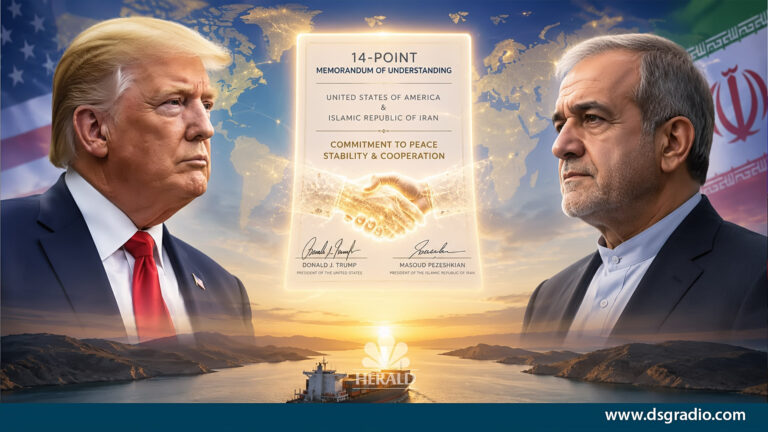
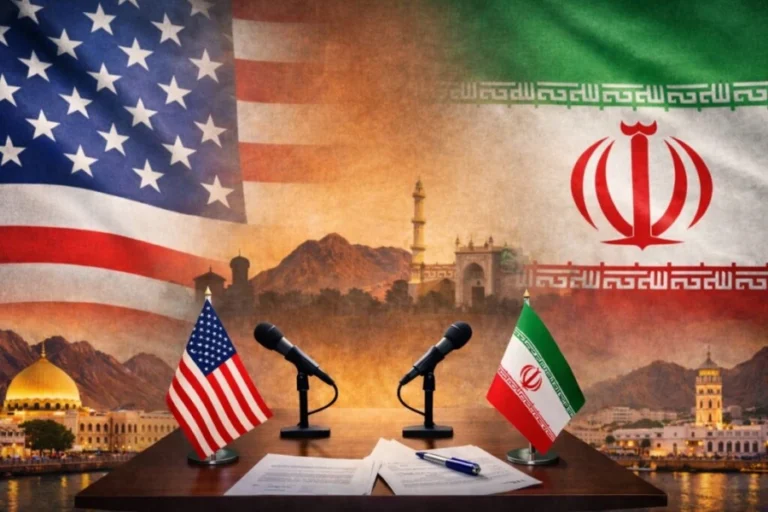
Strait of Hormuz tensions are escalating sharply as Iran and the United States remain far from a diplomatic breakthrough, with conflicting claims over planned talks, renewed shipping disruptions, and a looming ceasefire deadline threatening to push the region back into conflict. US President Donald Trump says a delegation is heading to Pakistan for negotiations, but Tehran has denied agreeing to new talks, while Iran’s Revolutionary Guard Corps (IRGC) has reimposed restrictions on the critical oil transit route.
Conflicting Signals Over Iran-US Talks
Strait of Hormuz tensions have been compounded by mixed messaging from Washington and Tehran regarding renewed diplomacy.
- US President Donald Trump confirmed that a delegation, including Vice President JD Vance, is expected to travel to Pakistan for another round of talks with Iran.
- Iranian officials, however, have denied agreeing to participate in new negotiations, according to state media.
- Iranian Deputy Foreign Minister Saeed Khatibzadeh stated that no date has been set, citing the absence of a “framework of understanding.”
According to live updates from Iranian sources, a delegation could still arrive in Pakistan, though this has not been officially confirmed by Tehran.
Iran’s chief negotiator and parliamentary speaker, Mohammad Bagher Ghalibaf, acknowledged “progress” in discussions but stressed that both sides remain “far from the final discussion,” with significant gaps unresolved.
Strait of Hormuz tensions disrupt global shipping
The Strait of Hormuz tensions have escalated into a direct disruption of global energy flows, with Iran effectively halting maritime traffic through one of the world’s most critical oil chokepoints.
- No oil tankers crossed the Strait of Hormuz on Sunday.
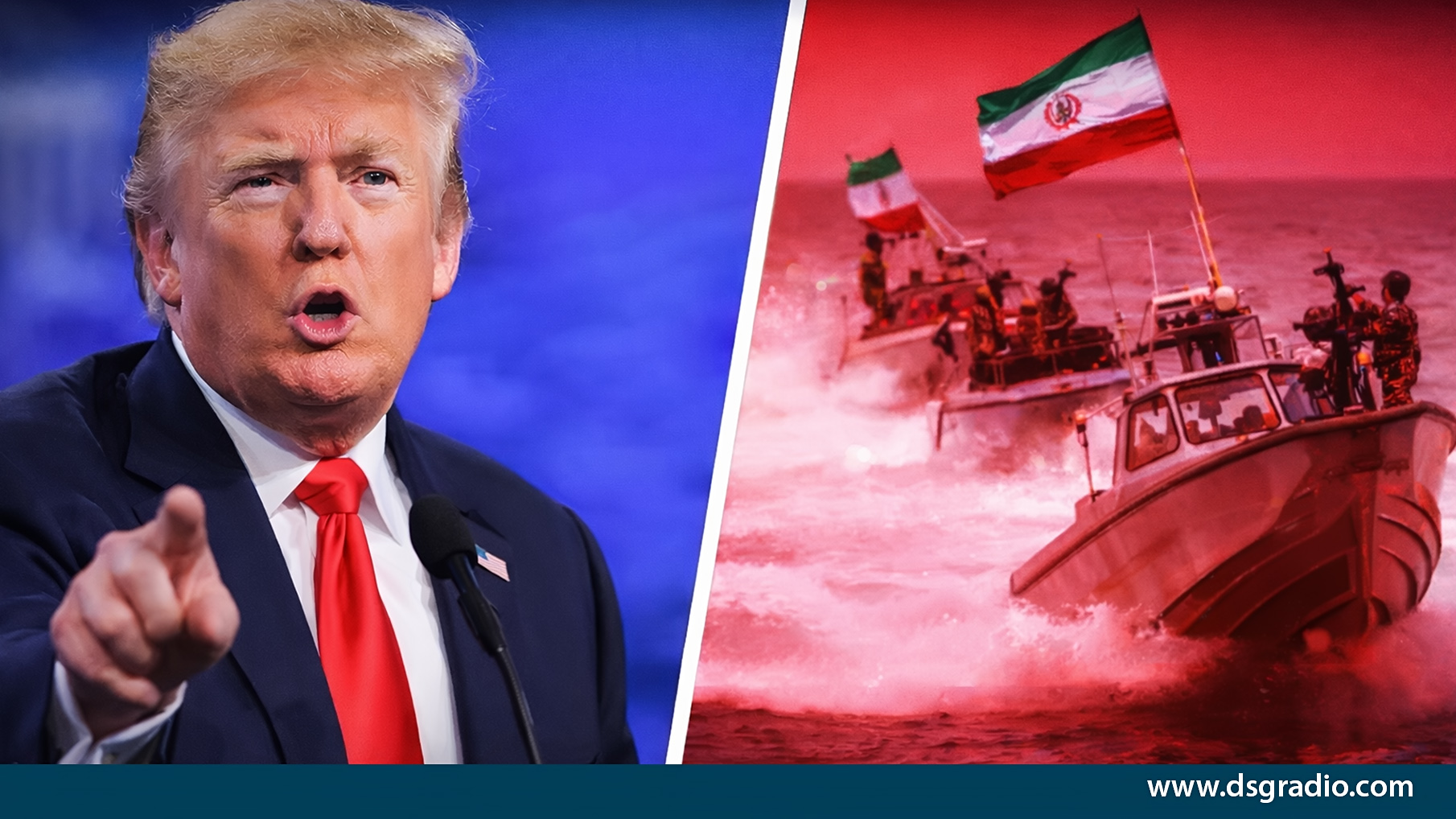
- Iranian forces fired on vessels attempting to pass through the waterway.
- Two Indian-linked ships were reportedly involved in incidents, prompting diplomatic protests from New Delhi.
Iran has justified the blockade as a response to what it calls a US naval siege of its ports. Ghalibaf described the US actions as “ignorant” and “foolish,” warning that Iran would not allow others to use the strait if its own access is restricted.
The strait typically carries about 20% of global oil trade, making the current disruption a major concern for international markets.
Trump’s energy secretary warned that US fuel prices may remain elevated, with gasoline unlikely to drop below $3 per gallon until at least next year.
For broader context on earlier developments, see DSG Herald’s coverage of how the Strait of Hormuz remains strategically constrained despite reopening.
IRGC influence shapes Iran’s stance
A key driver of the escalating Strait of Hormuz tensions appears to be the growing influence of Iran’s Islamic Revolutionary Guard Corps (IRGC).
- The IRGC announced the strait had returned to “strict military control.”
- It warned that any vessel approaching the waterway could be targeted.
- Analysts suggest the IRGC may be overriding Iran’s diplomatic leadership.
The Washington-based Institute for the Study of War assessed that the IRGC is increasingly shaping Iran’s decision-making, particularly in contrast to the more conciliatory tone of Foreign Minister Abbas Araghchi.
This internal divide highlights a broader strategic tension within Iran between diplomatic engagement and military pressure.
Ceasefire deadline raises risk of renewed war
Strait of Hormuz tensions are unfolding against the backdrop of a fragile ceasefire set to expire on Wednesday.
- Iran has warned it is “fully prepared” for renewed hostilities.
- Trump has issued stark warnings, stating the US could “start dropping bombs again” if no agreement is reached.
- Both sides have continued military preparations.
US officials reportedly plan to seize Iran-linked oil tankers in international waters, while military equipment continues to be deployed to the Middle East.
At the same time, Iran claims to retain a significant portion of its missile arsenal and has warned that any renewed conflict could escalate into a broader regional war.
This follows earlier developments detailed in DSG Herald’s report on the US-Iran ceasefire agreement and its fragile conditions.
Nuclear dispute remains a core obstacle
Another major factor fueling Strait of Hormuz tensions is the unresolved dispute over Iran’s nuclear program.
Iranian President Masoud Pezeshkian criticised US demands, questioning Washington’s authority to limit Iran’s nuclear rights.
“Who is he to deprive a nation of its rights?” Pezeshkian said, referring to Trump’s position.
The US, meanwhile, continues to insist on strict limitations, maintaining what Iranian officials describe as a “maximalist” negotiating stance.
Regional instability adds to pressure
The broader Middle East situation is also contributing to the escalation.
- Israel has launched strikes in southern Lebanon despite a ceasefire.
- The country has established what it calls a “yellow line” similar to its Gaza operations.
- Mediators are still attempting to facilitate dialogue between Washington and Tehran.
However, analysts warn that the absence of a clear diplomatic pathway increases the likelihood of miscalculation.
Economic and global implications
The Strait of Hormuz tensions are already having ripple effects across global markets:
- Oil supply disruptions are tightening global energy markets.
- Shipping insurance costs are rising sharply.
- Emerging economies dependent on oil imports face increased vulnerability.
The situation also has implications for countries like India and China, both major consumers of Gulf oil, highlighting the global stakes of the crisis.
Outlook: Uncertainty dominates
Despite ongoing backchannel communications, the immediate outlook remains uncertain.
- No confirmed date for new talks
- Continued military buildup
- Increasingly aggressive rhetoric from both sides
As one international correspondent noted, “the only bit of light… mediators are still exchanging messages.”
But with the ceasefire deadline approaching rapidly, the window for diplomacy is narrowing.
About the Author