Darfur Sexual Violence Crisis Escalates, MSF Warns
The Darfur sexual violence crisis is rapidly worsening across Sudan’s western region, Médecins Sans Frontières (MSF) has warned, with reports of widespread attacks targeting civilians both within conflict zones and in areas far removed from active fighting, according to Emergency Coordinator Myriam Laroussi.
The Darfur sexual violence crisis has intensified in recent months as Sudan continues to grapple with a prolonged conflict that has destabilised communities, displaced millions, and severely weakened already fragile institutions responsible for civilian protection.
MSF Raises Alarm Over Widespread Attacks
The Darfur sexual violence crisis has drawn urgent attention from MSF, which described a troubling pattern of abuse affecting women and girls across multiple locations. Myriam Laroussi stated that the organisation is witnessing an increase in cases reported in health facilities supported by MSF teams.
According to Laroussi, the Darfur sexual violence crisis is no longer confined to frontline areas, as attacks are now being reported in villages and towns far from direct combat zones. This shift suggests a broader breakdown of law and order, with civilians increasingly exposed to violence.
Healthcare workers responding to the Darfur sexual violence crisis have documented cases involving survivors who often face limited access to medical care, psychological support, and legal recourse. MSF emphasised that many incidents go unreported due to stigma, fear of retaliation, and the absence of functioning justice systems.
Crisis Expands Beyond Conflict Zones
The Darfur sexual violence crisis has expanded beyond traditional battlegrounds, raising concerns about the widespread nature of insecurity across the region. MSF reports indicate that attacks are occurring during daily activities such as collecting water, farming, or travelling between communities.
This expansion of the Darfur sexual violence crisis reflects the broader humanitarian breakdown in Sudan, where armed groups operate with limited accountability. The lack of protection mechanisms has left civilians vulnerable, particularly women and children.
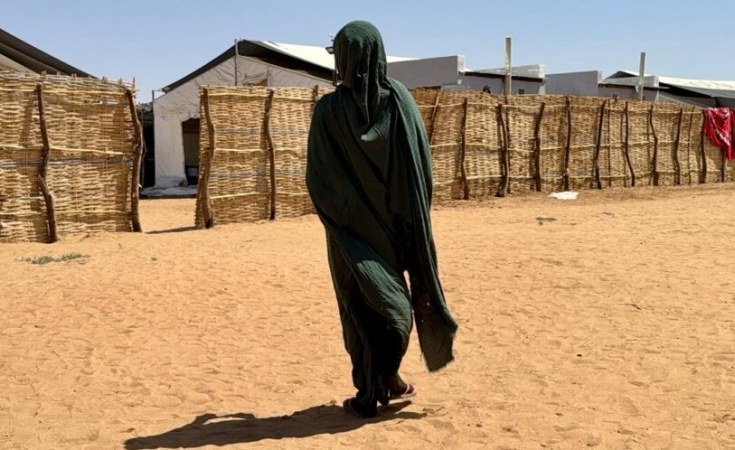
Aid organisations responding to the Darfur sexual violence crisis warn that displacement camps, often considered safe havens, are not immune. Overcrowding, poor security, and insufficient resources have created conditions where violence can occur with little oversight.
Humanitarian Impact Deepens
The Darfur sexual violence crisis is contributing to an already severe humanitarian emergency in Sudan. Millions of people have been displaced, and basic services such as healthcare, food supply, and shelter remain critically strained.
MSF highlighted that the Darfur sexual violence crisis has long-term consequences for survivors, including physical injuries, trauma, and social exclusion. Survivors often face stigmatisation within their communities, further compounding their suffering.
The ongoing Darfur sexual violence crisis also places additional pressure on humanitarian organisations struggling to meet growing needs with limited funding and access. Many areas remain difficult to reach due to insecurity and logistical challenges.
Calls for International Action
The Darfur sexual violence crisis has prompted renewed calls for international intervention to protect civilians and ensure accountability for perpetrators. MSF urged global actors to prioritise the safety of vulnerable populations and strengthen humanitarian response efforts.
Human rights groups monitoring the Darfur sexual violence crisis have called for independent investigations into reported abuses. They stress the need for mechanisms that can document violations and support justice processes.
The Darfur sexual violence crisis also highlights the importance of sustained diplomatic engagement to address the root causes of conflict in Sudan. Without a political resolution, experts warn that violence will continue to escalate.
Accountability and Protection Challenges
The Darfur sexual violence crisis underscores significant gaps in accountability, with many perpetrators operating without fear of consequences. Weak governance structures and ongoing conflict have hindered efforts to enforce the rule of law.
Efforts to address the Darfur sexual violence crisis are further complicated by limited coordination among local authorities, international agencies, and humanitarian organizations. This fragmentation reduces the effectiveness of response strategies.
Despite these challenges, organizations working on the Darfur sexual violence crisis continue to advocate for stronger protection measures, including:
- Increased deployment of civilian protection mechanisms
- Expansion of survivor support services
- Improved reporting and documentation systems
- Greater international pressure for accountability
Global Implications
The Darfur sexual violence crisis has broader implications for regional stability and international humanitarian efforts. The situation reflects ongoing challenges in conflict zones where civilians remain the most affected.
Experts note that the Darfur sexual violence crisis could influence global discussions on human rights, peacekeeping, and conflict prevention. It also highlights the need for more effective early warning systems and rapid response mechanisms.
As the Darfur sexual violence crisis continues to unfold, humanitarian agencies stress that immediate action is required to prevent further suffering and ensure that survivors receive the support they need.
About the Author