El Mencho Killed: Mexican Military Operation Kills Jalisco Cartel Leader
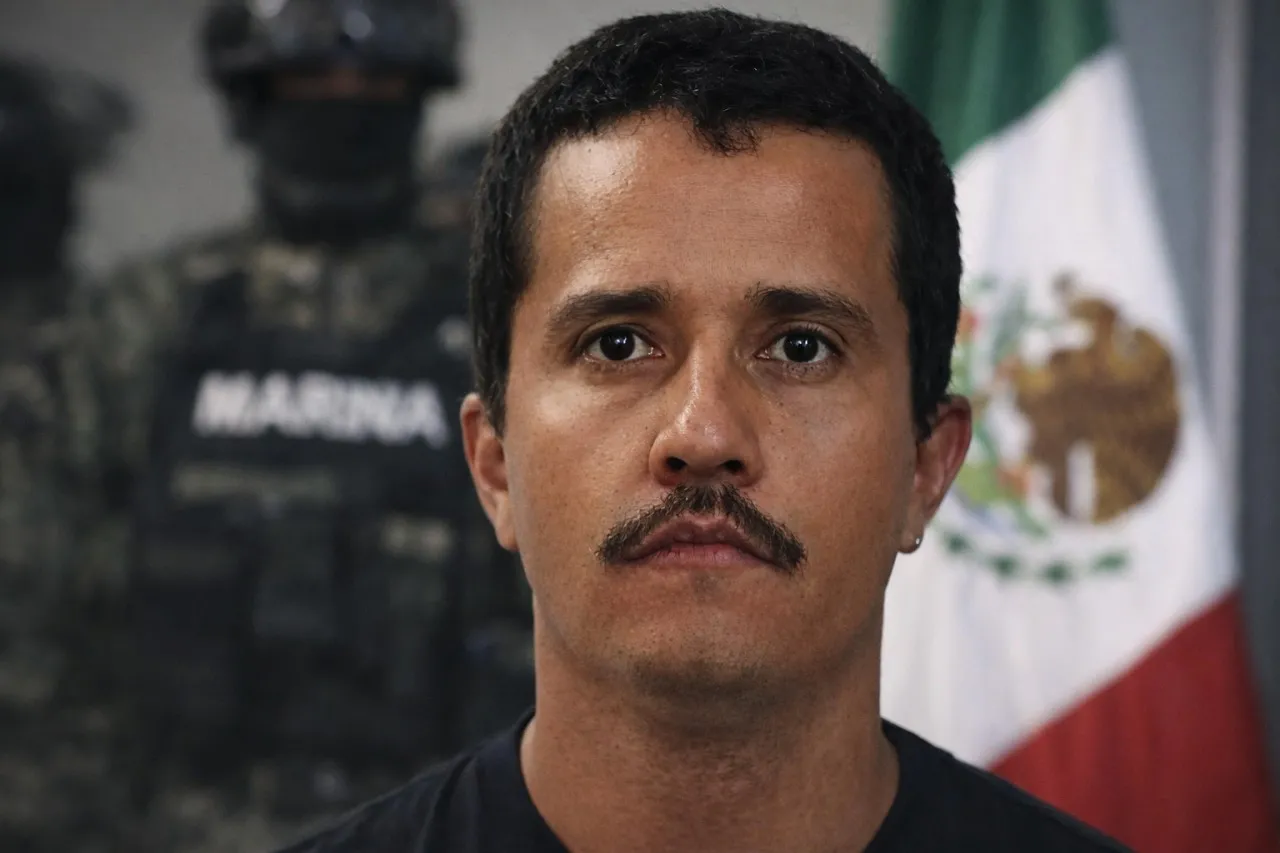
El Mencho killed on Sunday after a targeted military operation in Jalisco, Mexico, authorities announced today, in what many analysts call a major blow to the country’s most powerful organized crime network. The CJNG leader’s death comes as part of an intensified effort by Mexican security forces to dismantle violent cartel leadership. The operation has sparked immediate reactions, violence, and global security concerns.
The El Mencho killing report marks one of the most significant developments in the long-running war between Mexican forces and organized crime. The Jalisco New Generation Cartel, led by El Mencho, has been one of the most violent and expansive drug trafficking organizations in the world.
Who He Was
El Mencho refers to the death of Nemesio Rubén Oseguera Cervantes, known as “El Mencho,” the alleged leader of the CJNG. At around 59 years old, he had led the cartel for decades and was among the world’s most wanted criminals.
The CJNG started as a local enforcement arm and quickly expanded into a global drug trafficking powerhouse. The cartel trafficked fentanyl, cocaine and methamphetamine across Mexico, the United States and other regions.
El Mencho’s reach had grown so extensive that the U.S. State Department offered a bounty of up to $15 million for information leading to his arrest.
Why He Mattered
El Mencho’s killing is significant because the Jalisco cartel under his leadership became one of the most powerful criminal organizations in Mexico. The CJNG was known for using advanced weaponry, including drones and explosives, to challenge both law enforcement and rival cartels.
Analysts say El Mencho’s rise reshaped the Mexican drug war. His cartel rivaled older organizations such as the Sinaloa Cartel in terms of scale and violence. The FBI and Mexican authorities had repeatedly placed him at the top of their most wanted lists.
How the Operation Happened
The killing of El Mencho occurred during a joint military operation in Tapalpa, a municipality in the state of Jalisco. Mexican army units engaged cartel gunmen in intense combat as part of a mission to capture the CJNG leader.
Official statements say:
- The Mexican army encountered heavy resistance from CJNG fighters.
- Four cartel members were killed during the raid.
- El Mencho was wounded and later died while being airlifted for medical treatment.
Security forces also seized a cache of weapons and armored vehicles at the scene.
Government Confirmation
Multiple official sources have confirmed El Mencho’s death, including statements from the Mexican Ministry of National Defense and allied foreign governments involved in intelligence cooperation.
Officials highlighted that enhanced military and U.S. intelligence collaboration contributed to tracking the CJNG leader. The U.S. has publicly supported efforts to dismantle powerful cartels, citing concerns over drug trafficking and cross-border crime.
In response, the Mexican government called for calm and reiterated its commitment to the rule of law despite the anticipated backlash from radical cartel factions.
Immediate Reactions
El Mencho’s killing triggered immediate upheaval across parts of Mexico. Witnesses and officials reported:
- Roadblocks on major highways.
- Burning vehicles and infrastructure damage.
- Cancellation of flights near tourist destinations, including Guadalajara and Puerto Vallarta.
- Travel advisories from foreign governments urging caution.
International reactions poured in:
- The U.S. Department of State issued shelter-in-place advisories for citizens in several Mexican states.
- Australian travel warnings also urged citizens to exercise caution following the gunfight.
Mexican President Claudia Sheinbaum described the death as a key victory in the fight against organized crime while warning that violence could persist as cartels reposition.
What Happens Next
With El Mencho killed, Mexican security forces now face a potentially volatile transition period. Experts say major implications are likely:
- Power vacuum: Rival CJNG lieutenants may battle for leadership, leading to increased violence.
- Retaliatory attacks: Cartel supporters may launch assaults on security forces and civilian infrastructure.
- Security strategy shift: The government may intensify intelligence-led operations in cartel strongholds.
- International enforcement cooperation: U.S. and Mexican agencies may step up joint anti-narcotics efforts.
Analysts caution that removing a cartel leader does not immediately dismantle an organization. Historical precedent shows that cartels often fracture and splinter into new factions, sometimes leading to short-term spikes in violence before decline.
Amid this uncertainty, residents in several states have been advised to remain vigilant. Travel disruptions and heightened security operations across Mexico are continuing in the wake of El Mencho’s death.
Broader Impact
The El Mencho killing has echoes beyond Mexico. With fentanyl and other narcotics flowing globally, cartels such as CJNG influence supply chains and crime networks in Latin America, the U.S., Canada, and beyond.
Security studies experts say the elimination of El Mencho may energize international efforts to disrupt organized crime, even as it raises questions about long-term stability.
About the Author