Hungary Election 2026 Results: Orbán Defeated by Magyar in Historic Shift
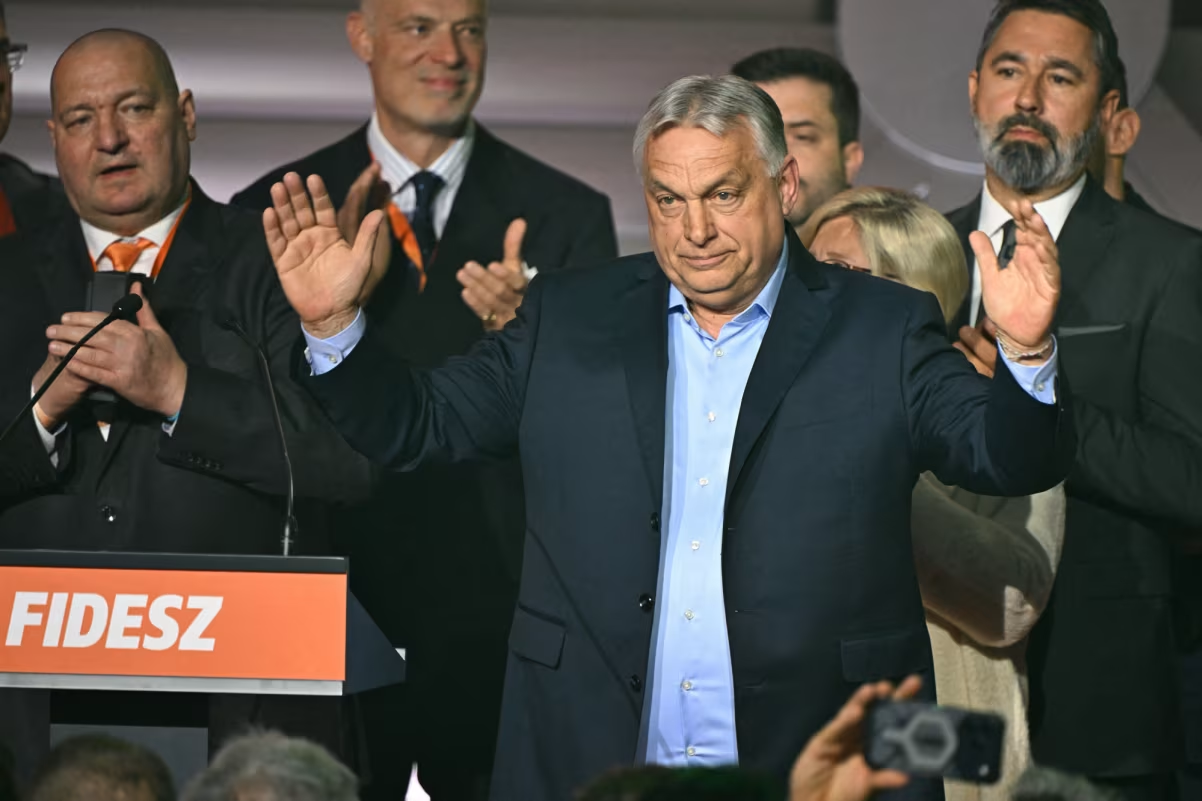
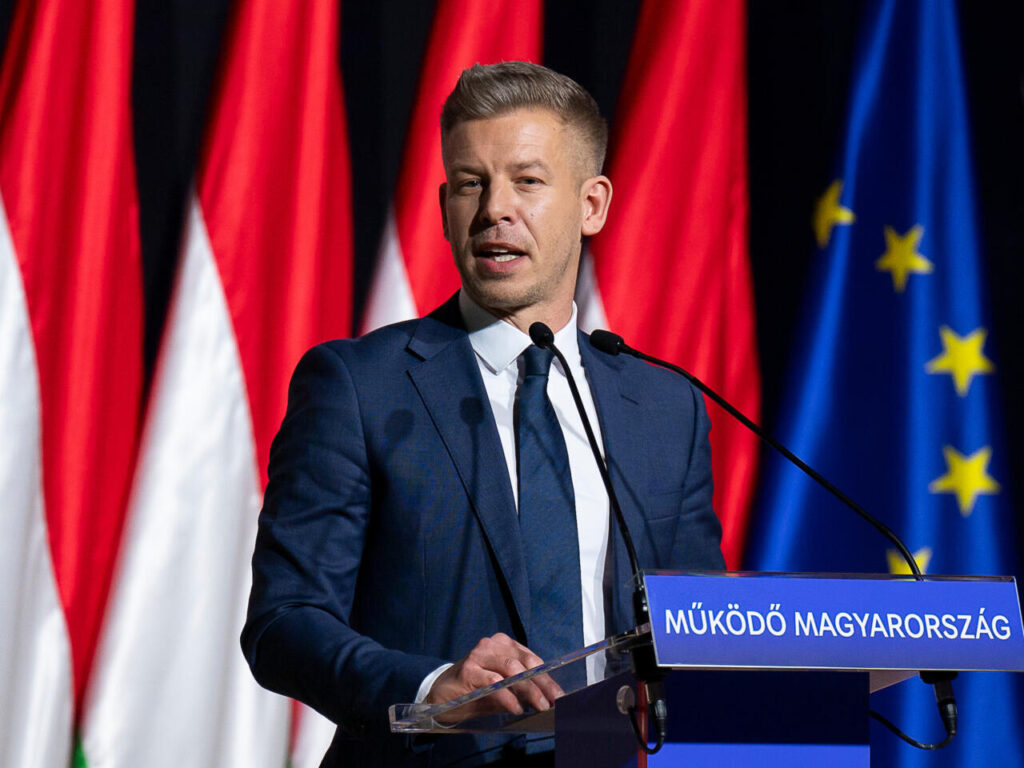
The Hungary election 2026 results have confirmed a historic political transition, as Prime Minister Viktor Orbán, 62, conceded defeat to opposition leader Péter Magyar, 45, in Budapest, Hungary, on Sunday, April 12, 2026.
Magyar’s centre-right Tisza Party secured a decisive victory, winning 138 seats in the 199-seat parliament, according to preliminary results with over 98% of votes counted. Orbán’s Fidesz party secured 55 seats, while the far-right Our Homeland party won six seats.
The result ends Orbán’s 16-year rule, marking Hungary’s first change in government since 2010.
Record Turnout and Swift Concession
The election saw a record voter turnout of 79.5%, the highest in Hungary’s democratic history.
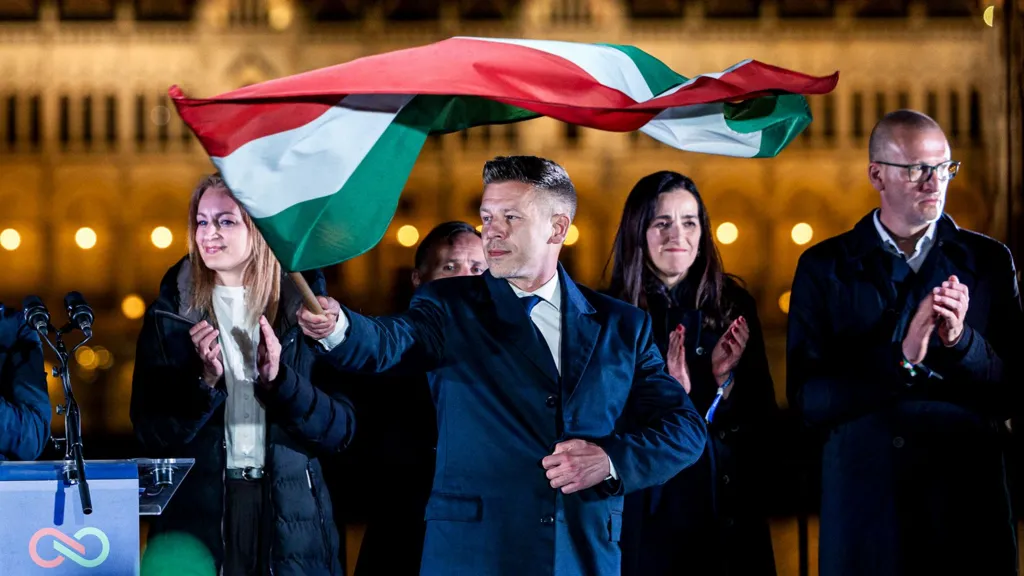
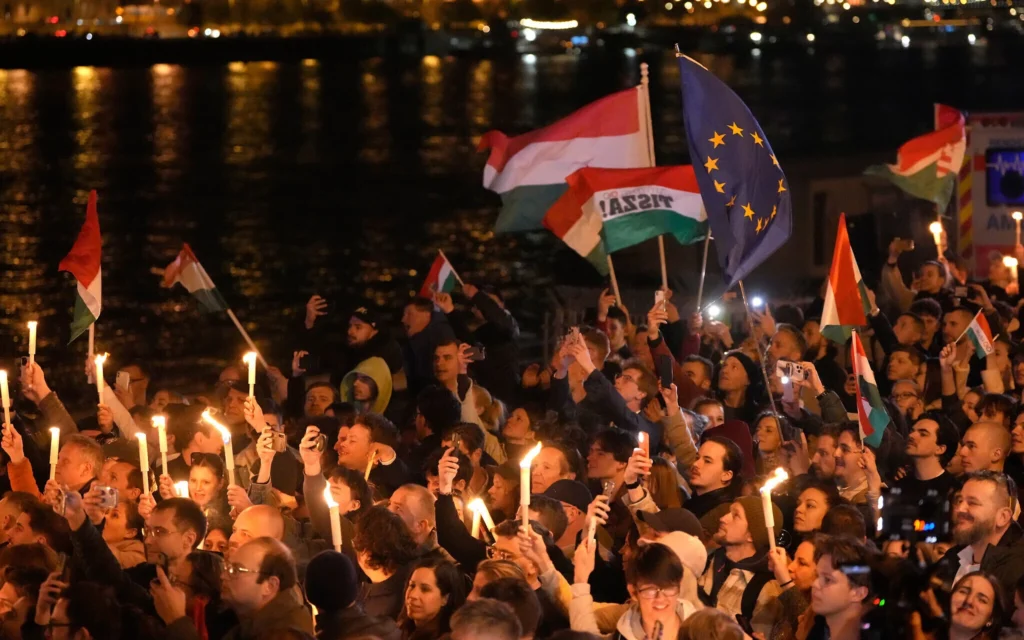
Péter Magyar addressed supporters along the Danube River in Budapest, declaring:
“Together we overthrew the Hungarian regime.”
In a rare moment of political transition, Orbán personally called Magyar to concede even before full results were announced.
Speaking later to supporters, Orbán described the outcome as:
“Clear and painful… The days ahead are for healing.”
Who Is Péter Magyar?
Péter Magyar, a former Fidesz insider turned opposition leader, built his campaign around:
- Fighting corruption and cronyism
- Addressing rising living costs
- Reforming public services
- Reorienting Hungary toward the European Union and Ukraine
Magyar framed the election as a referendum on Hungary’s global direction, stating voters were choosing between:
- “East or West”
- “Propaganda or honest discourse”
- “Corruption or clean public life”
Orbán’s Political Legacy and Downfall
Viktor Orbán had dominated Hungarian politics since 2010, winning four consecutive elections and consolidating power across:
- The judiciary
- Media institutions
- Public administration
However, critics—including the European Union—had increasingly described Hungary under Orbán as an “electoral autocracy.”
Key factors behind his defeat include:
- Economic dissatisfaction
- Weak public services
- Allegations of systemic corruption
- Fatigue with the long-term rule
International Influence and Geopolitical Stakes
Orbán’s foreign policy played a central role in the election.
He maintained close ties with:
- Donald Trump, U.S. President
- JD Vance, U.S. Vice President, who visited Budapest during the campaign
- Vladimir Putin, President of Russia
Orbán also frequently opposed EU sanctions on Russia and criticised Ukraine, particularly President Volodymyr Zelenskyy.
However, these alliances may have backfired. Analysts noted the contradiction of a nationalist campaign relying heavily on foreign endorsements.
EU Reaction: “Hungary Has Chosen Europe”
European leaders welcomed the outcome.
Ursula von der Leyen, President of the European Commission, stated:
“Europe’s heart is beating stronger in Hungary tonight… Hungary has chosen Europe.”
Magyar’s victory signals a likely shift toward:
- Stronger EU integration
- Improved relations with Ukraine
- Reduced dependence on Russia
A Turning Point for Populism
According to political analysts and reports, Orbán’s defeat highlights broader lessons about populist governance.
Key observations include:
- Populism relies on constant external “enemies”
- Economic performance ultimately determines voter loyalty
- Nationalist messaging weakens when tied to foreign backing
Political scientist Ivan Krastev noted the irony that Orbán risked losing “like a globalist,” despite his nationalist stance.
Emotional Reaction Across Hungary
For many citizens, the moment felt historic.
Hungarian writer András Petőcz compared the atmosphere to the collapse of the Soviet Union, describing it as:
“The same feeling.”
Thousands gathered along the Danube as results came in, celebrating what supporters called a “liberation” of Hungary.
What Happens Next?
Despite the landslide, several uncertainties remain:
- How quickly can the Tisza Party reform state institutions
- Whether Orbán’s political network will resist changes
- The pace of Hungary’s foreign policy realignment
Magyar has called on Orbán to act as a “caretaker” and avoid obstructing the transition.
Conclusion
The Hungary election 2026 results mark the end of Viktor Orbán’s long-standing rule and the beginning of a new political era under Péter Magyar.
With a strong electoral mandate, Magyar now faces the challenge of transforming Hungary’s institutions, restoring democratic norms, and redefining its place in Europe.
Whether this transition becomes a model of democratic renewal or a complex political struggle remains to be seen.
About the Author