Mnangagwa Term Extension Could Reshape Zimbabwe Politics
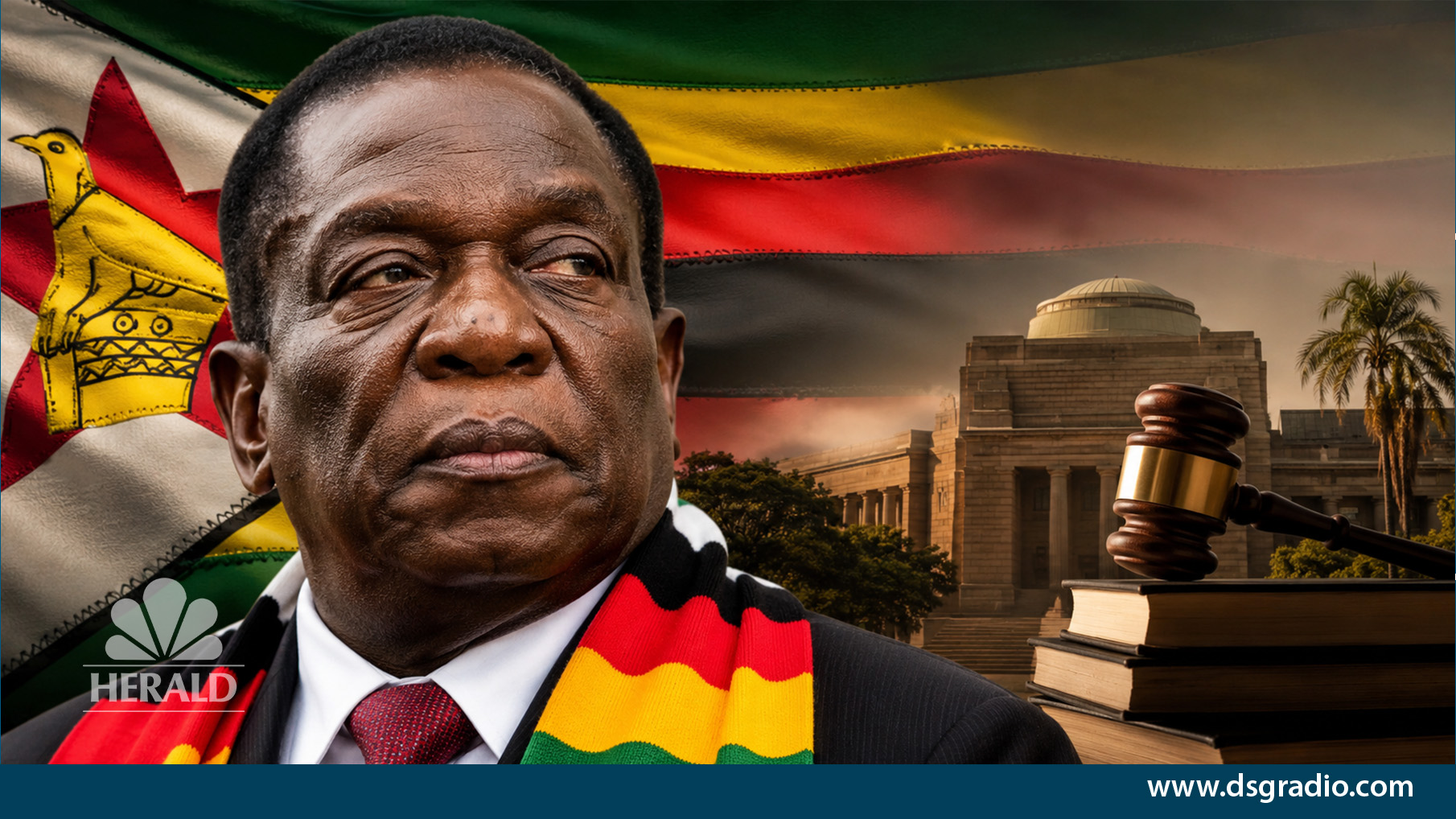
The Mnangagwa Term Extension proposal has become one of the most closely watched political developments in Africa. Zimbabwe’s parliament has moved a step closer to approving constitutional amendments that could allow President Emmerson Mnangagwa to remain in office until 2030…” that could allow President Emmerson Mnangagwa to remain in office until 2030, a proposal that is generating intense debate about democracy, governance and political succession in the southern African nation. The development follows a vote in the National Assembly, where lawmakers approved legislation that would extend presidential terms, postpone elections and potentially alter how future presidents are chosen.
The proposal has significance far beyond Zimbabwe’s borders. If approved, the changes would place Zimbabwe among a growing number of African countries where constitutional reforms have enabled leaders to remain in power for longer periods. Supporters argue that the reforms could provide continuity and political stability, while critics warn they could weaken democratic institutions and reduce electoral accountability.
As reported by Al Jazeera, Zimbabwe’s lower house approved the draft legislation with a two-thirds majority, clearing a major hurdle in the constitutional amendment process.
Mnangagwa Term Extension Moves Closer to Reality
The proposed reforms would extend presidential terms from five years to seven years and postpone national elections currently scheduled for 2028 until 2030.
According to the parliamentary vote, 216 lawmakers supported the draft legislation, comfortably exceeding the 187 votes required for constitutional amendments.
The bill must still receive approval from the Senate before becoming law. However, political observers note that President Mnangagwa’s ruling ZANU-PF party maintains significant influence in the upper chamber, making passage widely expected.
If enacted, the reforms would effectively allow Mnangagwa, who is currently serving his second term, to remain in office until 2030.
Another controversial provision would alter Zimbabwe’s presidential election system. Rather than electing the president through a direct popular vote, lawmakers would select the country’s leader.
Supporters view this proposal as a mechanism for strengthening political accountability within government institutions. Critics argue that it could reduce the direct influence of citizens in determining national leadership.
The constitutional package therefore represents not merely an adjustment to election schedules but a potentially transformative shift in Zimbabwe’s political framework.
What the Mnangagwa Term Extension Would Change
The proposed amendments involve three major reforms:
The Mnangagwa Term Extension proposal goes beyond a simple adjustment of election dates and could significantly reshape Zimbabwe’s political timetable.
• Extension of presidential terms from five years to seven years
• Postponement of elections from 2028 to 2030
• Potential transition from direct presidential elections to parliamentary selection
Taken together, these measures would significantly alter Zimbabwe’s electoral timetable and governance structure.
Constitutional amendments are often among the most consequential political decisions a country can make because they affect not only current leaders but future generations of voters.
For Zimbabwe, the reforms arrive at a time when questions about succession, governance and institutional stability remain central to political discourse.
Advocates of the proposal argue that longer presidential terms could allow governments to pursue long-term development strategies without the disruption of frequent election cycles.
Supporters also contend that extended terms may improve policy continuity and provide greater certainty for investors and development partners.
However, opponents argue that reducing the frequency of elections could weaken democratic oversight and limit citizens’ opportunities to hold leaders accountable through the ballot box.
Why Critics Oppose the Mnangagwa Term Extension
The strongest opposition to the reforms centers on concerns about democratic governance.
Critics argue that extending presidential terms while postponing elections risks concentrating political power in the executive branch.
Some activists and veterans of Zimbabwe’s liberation struggle have challenged the proposals in court. Those legal efforts were struck off the court roll for technical reasons, but opposition voices continue to raise concerns about the broader implications of the reforms.
For many critics, the issue extends beyond President Mnangagwa himself.
They argue that constitutional rules should be designed to outlast individual leaders and protect democratic institutions regardless of who occupies the presidency.
Opponents also question the proposal to move away from direct presidential elections.
Direct elections are widely viewed as one of the most visible expressions of democratic participation. Any move to transfer presidential selection to lawmakers is likely to face close scrutiny from civil society groups, political analysts and international observers.
The debate therefore reflects broader questions about the balance between stability and accountability in modern governance.
Supporters Say Stability Matters
Supporters of the constitutional reforms present a different perspective.
They argue that Zimbabwe faces long-term economic and developmental challenges that require continuity in leadership and policy implementation.
According to supporters, frequent electoral cycles can disrupt governance and slow the execution of national development plans.
Backers of the bill have also argued that the reforms could strengthen accountability by encouraging greater institutional oversight within parliament.
President Mnangagwa’s supporters have for several years publicly advocated extending his tenure, arguing that additional time is needed to complete key policy initiatives and national development programmes.
The governing ZANU-PF party formally endorsed constitutional changes aimed at extending presidential terms last year, and the proposal subsequently received cabinet backing.
Supporters maintain that the reforms should be evaluated based on their potential impact on governance rather than assumptions about political motivations.
Nevertheless, the proposal remains one of the most debated political issues in Zimbabwe.
From Mugabe to Mnangagwa: A Defining Political Journey
Understanding the significance of the proposed reforms requires examining Zimbabwe’s recent political history.
Mnangagwa assumed office following the dramatic events of 2017, when a military intervention led to the removal of longtime leader Robert Mugabe.
Mugabe had governed Zimbabwe since independence in 1980, making him one of Africa’s longest-serving leaders.
Before their political relationship deteriorated, Mnangagwa was widely regarded as one of Mugabe’s closest allies and served in several senior government positions, including vice president.
The transition from Mugabe to Mnangagwa was viewed by many Zimbabweans as a turning point that could usher in political and economic reforms.
Nearly a decade later, debates about governance, succession and constitutional change remain at the center of national politics.
The current proposal therefore carries symbolic significance because it could shape how Zimbabwe’s post-Mugabe political era is remembered.
Zimbabwe and Africa’s Long-Serving Leaders
One reason the story has attracted international attention is that it reflects a wider trend seen in several African countries.
Across the continent, a number of leaders have extended their tenure through constitutional amendments, removal of term limits or changes to electoral rules.
Zimbabwe could soon join that list.
Among the most notable examples is Cameroon, where President Paul Biya remains the world’s oldest serving head of state at 93.
Biya has governed Cameroon since 1982, overseeing multiple constitutional and political transitions while maintaining his position in power.
Equatorial Guinea’s President Teodoro Obiang Nguema Mbasogo has ruled for nearly five decades, making him Africa’s longest-serving leader.
Uganda’s President Yoweri Museveni has extended his rule into a fourth decade after multiple constitutional changes and electoral victories.
In Ivory Coast, President Alassane Ouattara secured another term after constitutional reforms and political disputes over eligibility and term limits.
These cases illustrate a broader pattern in which constitutional frameworks become central battlegrounds for debates over democracy, governance and political succession.
Why the Debate Matters Beyond Zimbabwe
The implications of Zimbabwe’s constitutional reforms extend beyond national politics.
Across Africa, countries continue to balance competing demands for political stability, economic development and democratic accountability.
Supporters of longer leadership tenures often point to the need for continuity in implementing major infrastructure, industrialization and social development programmes.
Critics counter that strong institutions, rather than extended personal leadership, provide the most reliable foundation for sustainable development.
The Zimbabwe debate therefore resonates across the continent because it reflects broader questions facing many developing democracies.
How should countries balance stability with electoral competition?
Can long-term development goals justify constitutional changes that extend a leader’s tenure?
What safeguards are needed to ensure that reforms strengthen institutions rather than individuals?
These questions remain relevant in many regions of the world.
Economic Implications of the Mnangagwa Term Extension
Political developments often influence economic confidence.
Investors and development partners often monitor constitutional and governance developments through institutions such as the United Nations Development Programme (UNDP Zimbabwe).
A more stable political environment can help governments pursue long-term economic strategies, infrastructure development and investment attraction programmes.
However, critics note that investor confidence also depends heavily on institutional credibility, transparency and adherence to democratic norms.
International markets often assess both political stability and governance quality when evaluating investment destinations.
As a result, the ultimate economic impact of Zimbabwe’s proposed reforms may depend not only on whether they are approved but also on how domestic and international stakeholders perceive their legitimacy.
Economic outcomes will likely be shaped by future policy decisions, governance performance and broader regional conditions.
Nigerian and African Relevance
For African audiences, including readers in Nigeria, the Zimbabwe story highlights an issue that periodically emerges across the continent: the relationship between constitutional law and political leadership.
Nigeria has maintained constitutional term limits for presidents since the return to democratic rule in 1999.
Debates over tenure extension and constitutional amendments have surfaced in various African countries over the years, making Zimbabwe’s experience particularly relevant for policymakers, academics and civil society organizations.
The discussion also underscores the importance of strong institutions, independent courts and active civic engagement in shaping constitutional governance.
As African democracies continue to evolve, constitutional reforms will remain a major topic of public debate.
What Happens Next for the Mnangagwa Term Extension?
The next stage of the process is Senate consideration of the bill.
Given the political composition of the upper chamber, many observers expect the legislation to advance.
If approved, Zimbabwe would move closer to implementing some of the most significant constitutional changes in recent years.
Legal challenges could continue, although the outcome of any future court action remains uncertain.
Public debate is also expected to intensify as citizens, political parties, civil society groups and regional observers examine the long-term implications of the reforms.
The final outcome could influence not only Zimbabwe’s political future but also broader conversations about governance and constitutional change across Africa.
Conclusion: A Defining Test for Zimbabwe’s Democracy
The Mnangagwa Term Extension proposal represents more than a routine legislative amendment. It has become a defining test of how Zimbabwe balances political stability, democratic accountability and constitutional governance.
Supporters view the reforms as an opportunity to strengthen continuity and pursue long-term national goals. Critics see them as a potential weakening of electoral accountability and democratic participation.
Whatever the final outcome, the debate has already placed Zimbabwe at the center of a continent-wide discussion about leadership, constitutional reform and the future of democratic governance.
As the legislation moves through the Senate, attention will remain focused on whether Zimbabwe chooses a path that extends presidential tenure and reshapes elections—or whether public and political pressure alters the course of the reforms.
The Mnangagwa Term Extension debate will likely remain one of the most important political discussions in Zimbabwe as lawmakers consider constitutional reforms and the future of elections.
About the Author