Prophet Sunday Koboko Faces N70m Fraud Probe as EFCC Expands Investigation into Alleged Fake Miracle Scheme
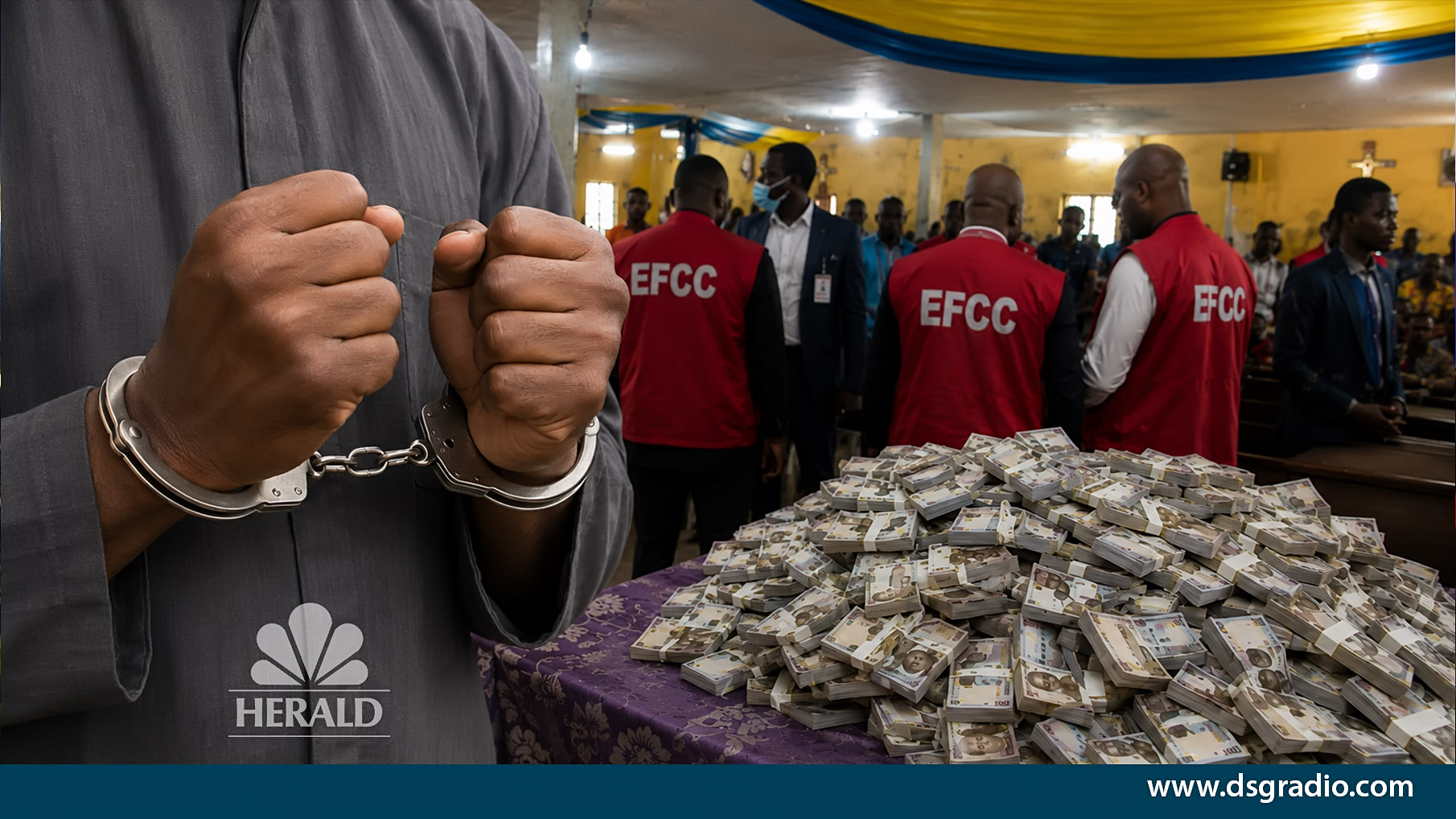
The Economic and Financial Crimes Commission (EFCC) has launched an investigation into self-acclaimed cleric Godwin Sunday Ajuluchukwucheya, widely known as Prophet Sunday Koboko, over allegations that he fraudulently collected more than N70.39 million from members of his ministry in Enugu State through promises of miracles, prosperity schemes and investment opportunities. The case is drawing national attention because of its potential implications for religious accountability, consumer protection and financial crime enforcement in Nigeria.
EFCC Opens Case Against Prophet Sunday Koboko
The anti-graft agency confirmed that operatives of its Enugu Zonal Directorate are investigating allegations that the cleric obtained money from followers through various representations linked to spiritual interventions and financial opportunities.
According to the EFCC, the investigation began after receiving a petition from one of the alleged victims, identified as Okey Uwakwe.
The petitioner accused the cleric of presenting himself as a man with extraordinary spiritual powers capable of influencing personal and family circumstances.
Investigators say the allegations extend beyond one individual and may involve numerous members of the ministry.
As the investigation progressed, additional complainants reportedly approached the EFCC with similar accounts regarding transactions they conducted with the suspect.
The agency has stated that investigations remain ongoing and that the suspect could face prosecution if sufficient evidence is established.
How the Alleged Scheme Operated
According to information released by investigators, the alleged fraud involved a combination of spiritual promises, miracle claims and investment-related solicitations.
One of the major allegations concerns a claim that the cleric could spiritually persuade a family member who had been living abroad since 1997 to return home.
The petitioner alleged that he paid more than N6 million for the spiritual exercise.
A separate allegation involved promises that spiritual intervention could enable a childless relative to conceive after more than 15 years without a child.
The complainant claimed he paid more than N3 million toward that effort.
Neither claim reportedly produced the promised outcome, according to the petition submitted to investigators.
The EFCC says these allegations form part of a broader pattern being examined by investigators.
Prophet Sunday Koboko and the N33 Billion Lotto Claim
One of the most striking allegations in the case revolves around claims that the cleric told members of his ministry that he had won N33 billion through a lottery game.
According to statements provided to investigators, church members were allegedly encouraged to contribute money with assurances that they would later receive dividends from the purported winnings.
Some followers reportedly believed they were participating in a lucrative opportunity tied to the alleged jackpot.
The petitioner claimed he contributed approximately N3.35 million after being persuaded that the scheme would generate future financial benefits.
Investigators are also examining allegations that members were invited to contribute money toward a rice-processing venture allegedly valued at N1 billion.
According to the EFCC, some followers believed they were becoming partners in a major commercial project linked to the ministry.
EFCC Fraud Investigation Draws More Complainants
As news of the investigation spread, additional ministry members reportedly contacted the EFCC to provide statements.
According to the commission, many of the complaints shared common themes involving financial contributions made in expectation of spiritual breakthroughs, prosperity or investment returns.
The anti-graft agency said the cumulative amount allegedly collected from church members has reached approximately N70.39 million.
Investigators are now reviewing financial transactions, testimonies and other evidence linked to the allegations.
The growing number of complainants suggests that authorities may be dealing with a larger case than initially anticipated.
Prophet Sunday Koboko and the Sale of Prosperity Products
Prophet Sunday Koboko Investigation Focuses on Miracle Products
A major aspect of the investigation involves products allegedly marketed to church members as tools for prosperity and problem-solving.
According to the EFCC, the products included items described as:
- Miracle stickers
- Holy ghost thunder
- Spiritual dragons
Investigators say these products were allegedly presented as instruments capable of resolving financial, personal and spiritual challenges.
One complainant quoted by the EFCC said he purchased a product known as “holy ghost thunder” after being told it would help solve persistent problems.
The complainant stated that despite making the payments, his circumstances did not improve.
Another allegation suggests that followers were encouraged to purchase large quantities of the products as part of spiritual exercises linked to financial breakthroughs.
The EFCC says its investigation indicates that the sale of these products formed a central component of the suspect’s alleged operating model.
The Wider Issue of Religious Fraud in Nigeria
The case has reignited discussions about the vulnerability of worshippers to financial exploitation disguised as religious activity.
Nigeria is one of the world’s most religious societies, with millions of citizens regularly participating in church and mosque activities.
For many believers, faith communities provide emotional support, social connection and hope during economic hardship.
However, experts have repeatedly warned that economic pressures can make some individuals more susceptible to promises of instant wealth, miraculous healing or supernatural solutions to personal challenges.
The allegations against Prophet Sunday Koboko have therefore sparked broader conversations about accountability within religious organizations and the need for public awareness regarding financial scams.
Importantly, investigators have not accused the wider religious community, and authorities continue to emphasize that the allegations concern specific claims against an individual under investigation.
Why the Case Matters Beyond Enugu
Prophet Sunday Koboko Case Raises Consumer Protection Questions
Beyond the immediate allegations, the case touches on broader issues involving financial literacy and consumer protection.
Across Nigeria and other parts of Africa, authorities have increasingly focused on schemes that combine investment promises with unverified claims of extraordinary returns.
Financial regulators frequently warn citizens against transferring money based solely on verbal assurances or unverifiable promises.
The current investigation highlights how alleged fraud can take multiple forms, including those tied to religious influence.
Legal experts note that the central issue in such cases is not religious belief itself but whether money was obtained through deception, false representations or fraudulent inducement.
If prosecutors eventually proceed with charges, the case could become an important reference point for future investigations involving alleged exploitation of religious followers.
Public Reaction and Growing Debate
Public reaction to the investigation has been mixed.
Many Nigerians have expressed sympathy for individuals who claim to have lost money, arguing that vulnerable people often become targets during periods of financial hardship.
Others have called for stronger regulation and oversight where financial solicitations occur within religious settings.
Some commentators have also emphasized the importance of due process, noting that allegations remain subject to investigation and judicial review.
As with any criminal matter, guilt can only be established through the legal process.
The EFCC has not announced a court date, and no conviction has been recorded.
What Happens Next?
The EFCC says investigations remain active and that additional evidence is being gathered.
Investigators are expected to continue reviewing complaints, financial records and witness testimonies linked to the allegations.
The anti-graft agency has indicated that the suspect will be charged in court if the investigation establishes grounds for prosecution.
For now, the case remains at the investigative stage.
However, given the amount allegedly involved and the number of complainants who have reportedly come forward, the matter is likely to remain under public scrutiny in the coming weeks.
The outcome could have implications not only for the individuals directly involved but also for broader discussions surrounding religious accountability, consumer protection and fraud prevention in Nigeria.
Recommended Coverage
Ted Cruz Raises Alarm Over Plateau Killings
Related Article:
US Concern Over Plateau Killings
Why it matters: The security situation in Nigeria continues to attract international attention, with growing calls for stronger protections for vulnerable communities.
Nigerian Bishops’ Appeal Sparks Debate
Related Article:
Bishops’ US Appeal Controversy
Why it matters: The story explores the intersection of faith, public policy and international advocacy.
Understanding Jerusalem’s Historical Importance
Related Article:
Jerusalem and Middle East History
Why it matters: Provides context for one of the world’s most significant geopolitical and religious flashpoints.
About the Author