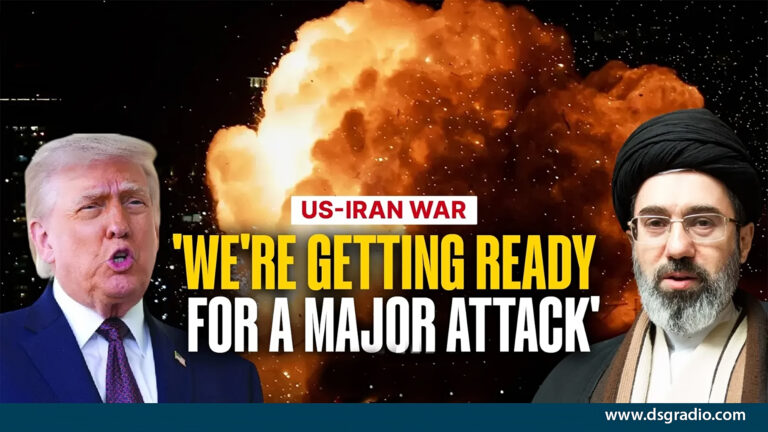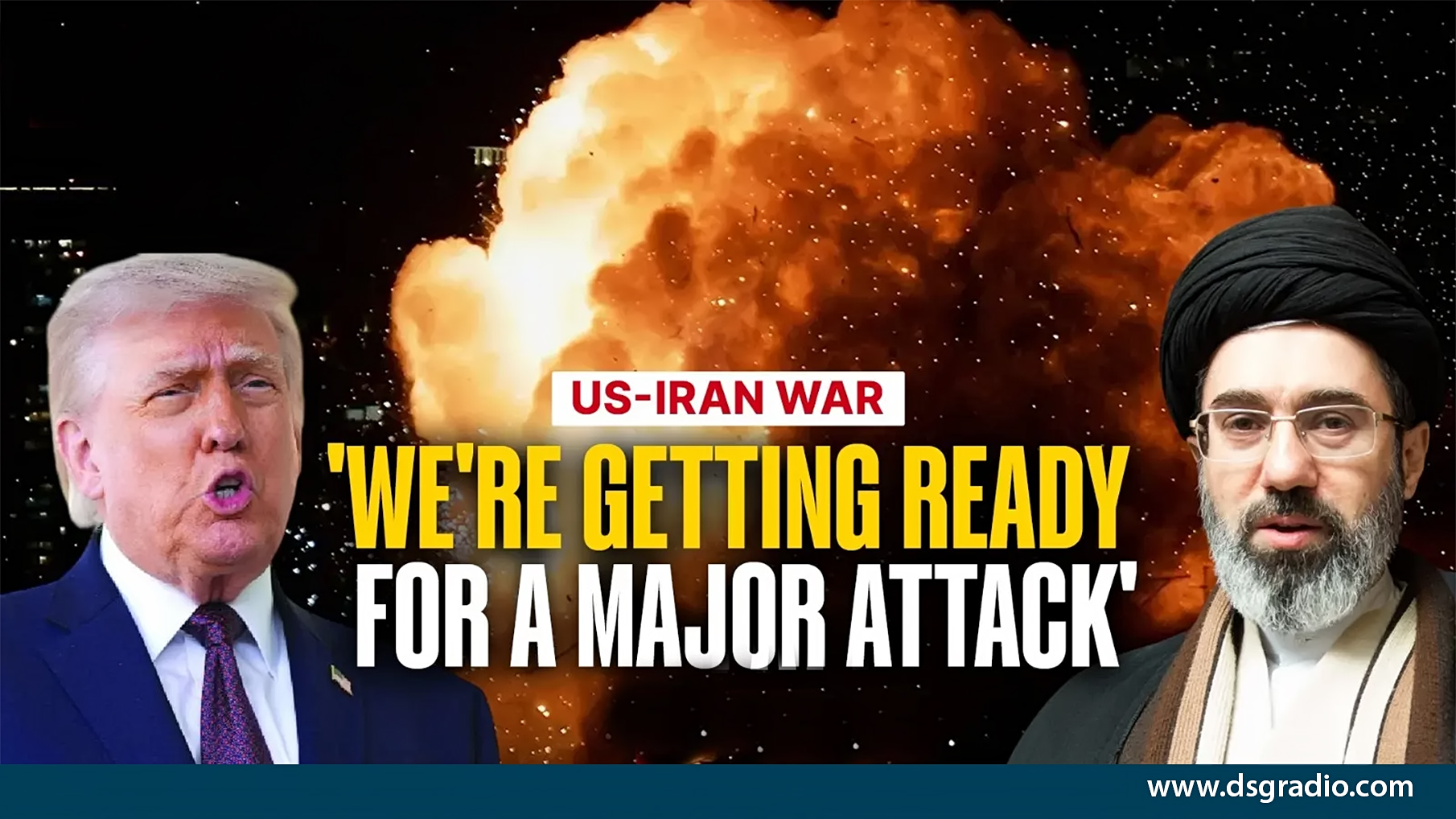
Trump Iran Strike Delay Raises Fears of Wider Middle East Crisis
Global efforts to prevent another major Middle East conflict intensified this week after reports indicated that U.S. President Donald Trump delayed potential military action linked to Iran amid growing fears of regional escalation, oil market instability, and mounting diplomatic pressure from allies and lawmakers.
The developing standoff has triggered concerns across global financial markets, aviation sectors, and energy corridors, particularly around the strategic Strait of Hormuz, through which a significant share of the world’s oil exports passes daily.
According to reports from Reuters and CBS News, discussions surrounding Iran, possible peace negotiations, and U.S. military options have intensified as Washington attempts to balance deterrence, diplomacy, and domestic political pressure.
The delay has been interpreted by analysts as a sign that world leaders are attempting to prevent a broader regional explosion that could destabilize global trade routes and deepen geopolitical fragmentation.
Why the Trump Iran Strike Was Delayed
The Trump administration has not publicly confirmed all details surrounding the reported military considerations. However, several factors appear to have influenced the delay.
These include:
- Pressure from Gulf allies concerned about regional instability
- Rising fears over oil supply disruptions
- Concerns about retaliation against U.S. assets
- Congressional resistance in Washington
- Ongoing diplomatic proposals involving Tehran
Iranian officials reportedly proposed conditions tied to peace discussions, including compensation for war-related damages and the withdrawal of U.S. troops from parts of the region, according to a Reuters report. Reuters Iran Report
Details surrounding the negotiations remain unclear.
Analysts say the hesitation reflects the enormous risks associated with direct confrontation involving Iran, Israel, U.S. forces, and Tehran-backed regional groups operating across Lebanon, Iraq, Syria, and Yemen.
Congress Resistance Adds Pressure
Another major factor shaping the situation is growing political resistance inside the United States.
The U.S. Senate recently advanced a measure aimed at limiting President Trump’s authority to initiate military action against Iran without congressional approval, according to Reuters. Reuters Senate Measure
The development highlights deep divisions in Washington over the possibility of another prolonged Middle East conflict.
Critics argue that:
- A broader confrontation could draw the United States into another costly regional crisis
- Oil prices could surge globally
- U.S. military personnel across the Middle East could become targets
- International diplomatic alliances could fracture further
Supporters of tougher action against Iran maintain that Washington must continue applying military and economic pressure to curb Tehran’s regional influence and nuclear ambitions.
The White House has not publicly outlined a final strategy.
Strait of Hormuz Risks Alarm Global Markets
One of the biggest fears surrounding the Trump Iran Strike debate is the possibility of disruption in the Strait of Hormuz.
The narrow waterway remains one of the world’s most important oil transit routes.
Any escalation involving Iran could affect:
- Global crude oil shipments
- Shipping insurance costs
- Food transportation prices
- Aviation fuel markets
- Inflation rates worldwide
Energy analysts have repeatedly warned that even limited military escalation in the Gulf region could send shockwaves through global markets.
Countries heavily dependent on imported fuel, including several African economies such as Nigeria, Kenya, and South Africa, could experience indirect economic consequences if oil prices spike sharply.
For Nigeria, sustained instability in global energy markets could create mixed outcomes. Higher oil prices may temporarily boost government revenues, but rising fuel import costs and inflationary pressures could increase economic hardship for consumers.
Iran’s Regional Strategy Remains Central
Iran continues to play a complex strategic role across the Middle East through political alliances and regional proxy networks.
Security analysts say Tehran’s approach combines:
- Strategic deterrence
- Diplomatic negotiation
- Regional leverage
- Nuclear bargaining power
Iran has consistently denied pursuing nuclear weapons while insisting on its right to civilian nuclear development.
Western governments, however, remain concerned about uranium enrichment levels and the broader implications for regional security.
The ongoing Iran Nuclear Crisis continues to shape diplomatic calculations involving:
- Israel
- Saudi Arabia
- the United Arab Emirates
- the United States
- Russia
- China
- European powers
Tehran’s ability to influence regional dynamics means that even limited confrontations could quickly spread across multiple theaters.
China, Russia, and Europe Push Diplomacy
Global powers have intensified diplomatic engagement in an attempt to prevent a wider regional conflict.
China and Russia have repeatedly called for restraint and dialogue, warning against unilateral military escalation.
European governments have also expressed concerns over:
- energy security
- refugee pressures
- trade disruptions
- aviation risks
- maritime security
According to reports monitored by international media, diplomatic channels remain active behind the scenes despite rising tensions. BBC Middle East Coverage
The situation has also exposed broader global divisions over the future balance of power in the Middle East.
Some analysts believe Washington is attempting to avoid triggering simultaneous geopolitical crises involving:
- Ukraine
- Taiwan
- the Red Sea
- the Gulf region
Aviation and Shipping Industries on Alert
The possibility of regional escalation has also raised alarms within global aviation and shipping sectors.
Airlines operating routes through Middle Eastern airspace have reportedly reviewed contingency plans as tensions continue.
Shipping companies are monitoring security developments around:
- the Persian Gulf
- the Red Sea
- the Strait of Hormuz
Insurance premiums for vessels operating in conflict-prone zones could rise sharply if tensions intensify further.
Previous regional confrontations have demonstrated how quickly disruptions in the Gulf can affect global supply chains.
What Happens Next?
Several possible scenarios could emerge in the coming weeks.
These include:
1. Renewed Diplomacy
Backchannel negotiations could reduce immediate tensions and reopen broader regional discussions.
2. Limited Military Escalation
Small-scale confrontations involving proxy groups could continue without developing into direct full-scale conflict.
3. Wider Regional Crisis
A major incident involving U.S., Israeli, or Iranian forces could rapidly expand across the Middle East.
4. Economic Pressure Campaign
Washington may continue relying primarily on sanctions and diplomatic isolation instead of direct military confrontation.
At this stage, no final resolution appears imminent.
However, the delay surrounding the Trump Iran Strike discussion suggests that world leaders remain deeply aware of the potentially catastrophic consequences of another large-scale Middle East conflict.
Recommended Coverage
- US-Iran Conflict Nears Ceasefire Breakdown
An analysis of how fragile ceasefire efforts are affecting regional security calculations. - US-Iran Strategy Timeline Explained
A detailed look at contradictions and shifts in Washington’s Iran policy approach. - Strait of Hormuz Crisis Escalates
Coverage examining maritime threats and energy market fears tied to Gulf tensions.
About the Author