Museveni Succession Plan Fuels Uganda Dynasty Fears
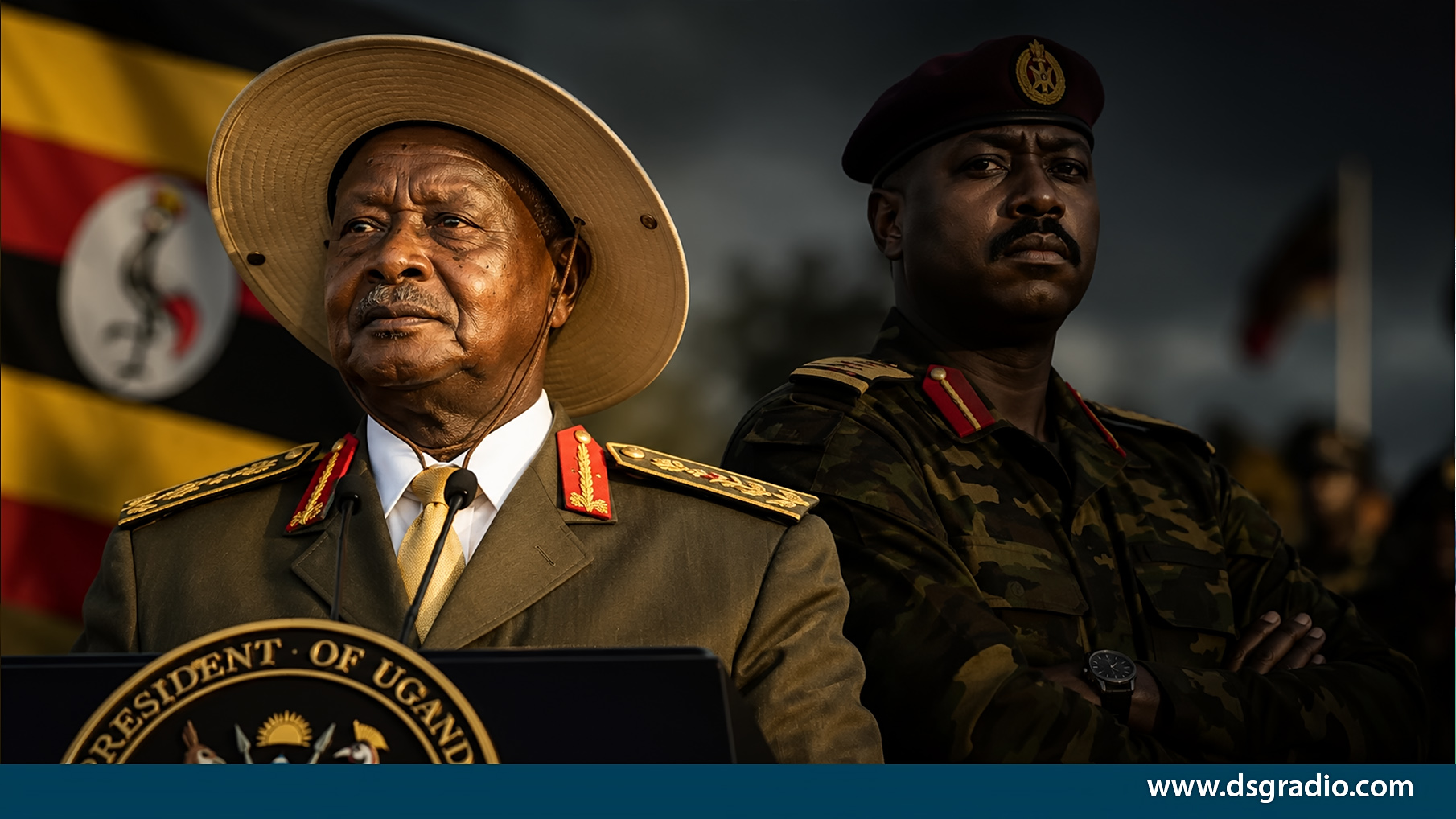
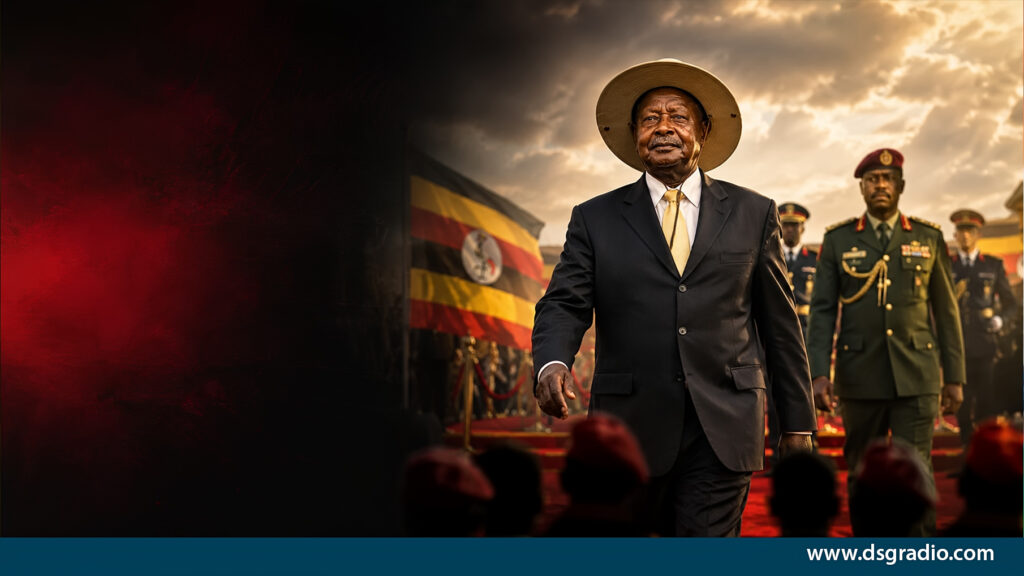
Ugandan President Yoweri Museveni was sworn in for another term on Tuesday, extending a rule that began in 1986 and reinforcing growing debate over the future of political power in the East African nation. While the inauguration in Kampala marked another milestone for one of Africa’s longest-serving leaders, attention is now increasingly focused on Museveni’s succession plan and the rising influence of his son, Gen. Muhoozi Kainerugaba.
The 81-year-old leader’s latest term comes amid mounting concerns among opposition figures, analysts, and civil society groups that Uganda may be moving toward a political dynasty shaped by military influence and constitutional manoeuvring. Reports surrounding the inauguration highlighted the growing authority of Kainerugaba, Uganda’s army chief and widely perceived heir apparent.
Uganda’s Long Political Era Enters a New Phase
Museveni first came to power in 1986 after leading a guerrilla movement that ended years of political instability and civil conflict. For decades, he positioned himself as a stabilising force in Uganda and an important security ally for Western governments, particularly the United States.
His administration oversaw economic reforms, infrastructure expansion, and relative national stability compared to some neighbouring states. However, critics argue that Uganda’s democratic institutions weakened significantly during his tenure.
Over the years:
- Presidential term limits were removed.
- Age restrictions for presidential candidates were scrapped.
- Opposition leaders faced arrests, restrictions, and allegations of intimidation.
- Security agencies gained increasing political influence.
As Museveni begins another term, political observers increasingly believe Uganda is entering a transition period in which succession politics may define the country’s future more than governance itself.
According to an Associated Press report, many Ugandan political figures are now openly aligning with Kainerugaba as his influence expands within government and security institutions.
Muhoozi Kainerugaba Rise Changes Uganda’s Political Landscape
The growing visibility of Gen. Muhoozi Kainerugaba has become central to discussions of Museveni’s succession plan.
Kainerugaba, 52, joined the military in the late 1990s and trained in the United States and Britain before climbing through Uganda’s armed forces. He eventually took command of elite presidential security units before becoming army chief.
His rise has long been controversial.
Critics frequently referred to what became known as the “Muhoozi Project” a perceived long-term effort to prepare him for eventual leadership. For years, both Museveni and Kainerugaba publicly dismissed suggestions of a succession arrangement. However, recent political developments have intensified speculation that Uganda may be preparing for hereditary-style leadership.
Political analysts now argue that Kainerugaba already exercises enormous influence over national security matters.
Angelo Izama, a Ugandan analyst quoted in the source report, said the “de facto transition has already happened,” arguing that Kainerugaba increasingly acts as the dominant authority on defence and security issues.
Military Influence and the Uganda Power Transition
The Museveni succession plan also highlights the military’s expanding role in Uganda’s politics.
During preparations for the inauguration ceremony in Kampala, Kainerugaba reportedly supervised military rehearsals involving fighter jets and security formations. Symbolically, many analysts interpreted the scenes as evidence of the military’s central role in Uganda’s future leadership transition.
This has raised concerns among democracy advocates who fear that:
- The military may influence succession outcomes.
- Political competition could narrow further.
- Civil institutions may weaken during transition periods.
Observers say the Uganda power transition may follow one of several possible paths:
Possible Scenarios
- A constitutional succession supported by the ruling National Resistance Movement (NRM).
- A politically managed transition favouring Kainerugaba.
- Increased political tension involving opposition groups and civil society organisations.
Details regarding any formal succession framework remain unclear.
Opposition Concerns Intensify
Uganda’s opposition movement remains deeply sceptical about the country’s political direction.
Opposition leader Bobi Wine, a musician-turned-politician whose real name is Robert Kyagulanyi, has repeatedly challenged Museveni’s administration and rejected previous election outcomes.
Wine’s National Unity Platform condemned recent legislation seen as restricting foreign funding for organisations and activists. Critics say the law could weaken opposition activities and civil society engagement.
The debate around democratic freedoms has intensified in recent years, especially after multiple confrontations between opposition supporters and security forces.
DSG HERALD previously reported on growing international concerns over Uganda’s democracy challenges in its coverage of Bobi Wine and Uganda’s political tensions.
Analysts warn that Uganda’s next political phase could become increasingly polarised if opposition groups perceive the transition process as predetermined.
Regional Implications for East Africa
Uganda’s political transition carries implications beyond its borders.
As one of East Africa’s major military and economic powers, Uganda plays a significant role in regional peacekeeping, trade corridors, and counterterrorism operations.
The country contributes troops to regional security missions and maintains strategic partnerships with neighbouring governments. Any instability linked to succession politics could affect broader East African security dynamics.
Political analysts also note that succession debates in Africa often shape broader continental discussions on constitutional governance, democratic reforms, and the role of the military in politics.
Across Africa, leadership transitions involving family members have generated controversy in several countries. Uganda’s current political moment, therefore, fits into a broader continental debate over democracy and dynastic succession.
Why the Museveni Succession Plan Matters Internationally
The Museveni succession plan has drawn global attention because Uganda remains strategically important to Western governments and regional institutions.
Museveni has long maintained strong security relationships with foreign allies while balancing domestic political control. As questions grow about who will eventually succeed him, foreign governments are closely watching whether Uganda’s transition remains peaceful and constitutional.
Key international concerns include:
- Regional stability
- Counterterrorism cooperation
- Human rights protections
- Electoral credibility
- Military involvement in politics
Although Museveni has not publicly announced retirement plans, the growing prominence of Kainerugaba suggests preparations for a future transition may already be underway.
Uganda’s Democracy Debate Continues
Supporters of Museveni argue that he brought stability and continuity after decades of conflict and uncertainty. They credit his administration with maintaining national cohesion and supporting economic development.
Critics, however, believe Uganda’s democratic institutions were weakened under prolonged one-party dominance and centralised authority.
The debate has now evolved beyond Museveni himself.
Instead, many Ugandans are asking whether the country’s future political system will allow competitive democratic leadership or evolve into a dynastic structure centred around the Museveni family.
DSG HERALD also previously covered preparations for the inauguration ceremony in its report on Museveni’s swearing-in at Kololo Grounds.
What Happens Next?
For now, Museveni remains firmly in power.
However, the political conversation inside Uganda is increasingly focused on what happens after him. The Muhoozi Kainerugaba rise has transformed succession politics from speculation into a mainstream national debate.
Whether Uganda experiences a peaceful constitutional transition or heightened political tension may depend on:
- The role of security institutions
- Opposition participation
- Electoral credibility
- Public trust in democratic institutions
The outcome could shape Uganda’s political direction for years and influence democratic conversations across East Africa.
Details surrounding any official succession arrangements were not specified in the original reports.
Recommended Coverage:
- Uganda’s Ebola Cases Rise Amid Health Concerns
Uganda continues to face public health pressures alongside growing political debates over leadership transition and governance. - East Africa Art Festival Expands Regional Cooperation
The story highlights broader East African regional dynamics at a time when Uganda’s political future is drawing international attention. - Africa Economic Resilience Report Highlights Stability Challenges
The report examines how political stability affects economic growth across African countries, including East Africa. - China-Africa Trade Deal Reshapes Global Alliances
Uganda’s political transition unfolds as African governments strengthen new global partnerships and geopolitical ties.
About the Author