France-Africa Relations Face New Test in East Africa
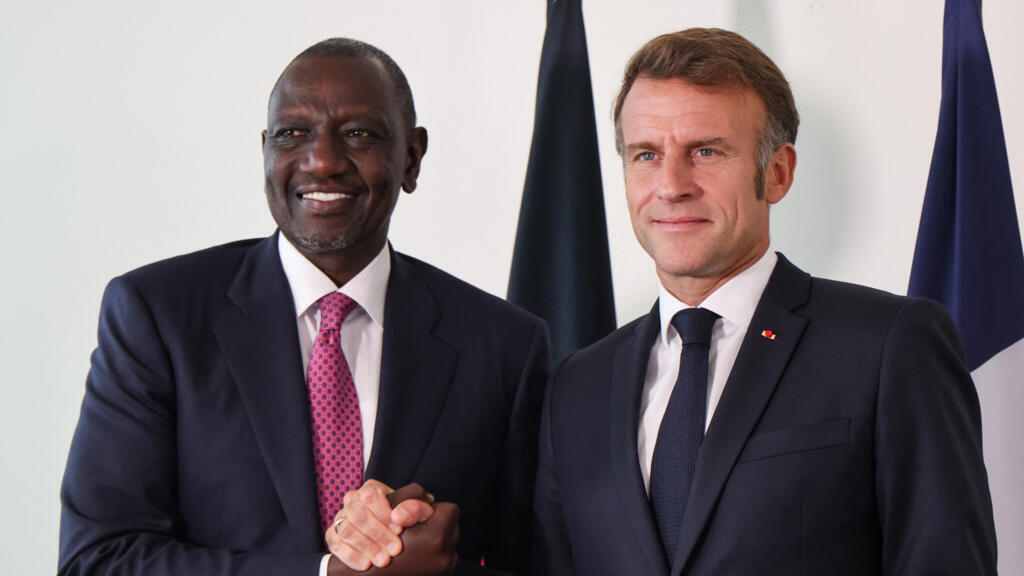
France-Africa relations are entering a critical new phase as French President Emmanuel Macron intensifies efforts to rebuild Paris’ influence across the continent through a strategic East Africa tour amid growing Russian and Chinese competition.
Macron began a three-country visit to Egypt, Kenya, and Ethiopia over the weekend, with French officials presenting it as part of a broader shift away from France’s controversial postcolonial model toward what Paris describes as “equal partnerships.” The visit comes after France suffered major diplomatic and military setbacks in several West African nations, particularly in the Sahel region, where anti-French sentiment has surged in recent years.
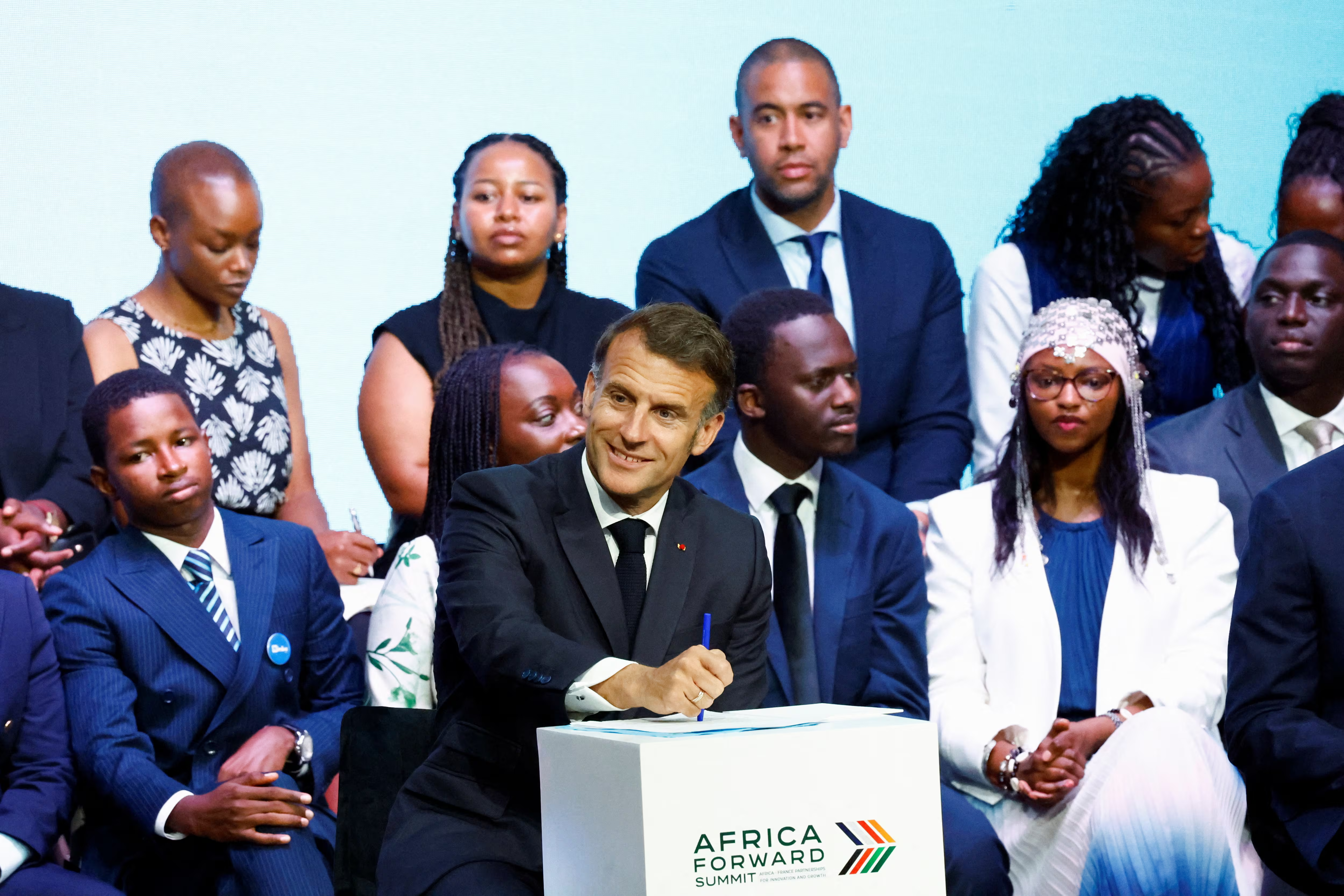
The French president is expected to co-host the “Africa Forward” summit in Kenya before concluding the trip in Ethiopia, where discussions at the African Union headquarters will focus on peace, security, trade, and regional cooperation.
However, beyond the diplomatic meetings, Macron’s tour is widely viewed as a broader geopolitical attempt by France to regain strategic relevance in Africa as global powers intensify competition for influence across the continent.
Why Macron Is Turning to East Africa
Unlike France’s traditional sphere of influence in Francophone West and Central Africa, East Africa represents a relatively less politically sensitive region for Paris and a potential gateway for rebuilding partnerships.
Kenya has emerged as one of Africa’s leading economic and diplomatic hubs, with growing influence in technology, trade, infrastructure, and regional peacekeeping initiatives. France hopes to deepen commercial cooperation with Nairobi by signing new agreements during the summit involving French and Kenyan businesses.
Egypt remains strategically important because of its role in Middle Eastern diplomacy, Mediterranean security, and control of the Suez Canal one of the world’s most important shipping routes.
Ethiopia, meanwhile, hosts the African Union’s headquarters, making Addis Ababa a critical diplomatic centre for any foreign power seeking continental influence.
According to an Al Jazeera report, Macron’s East Africa visit is intended to redefine France’s relationship with African nations while promoting cooperation in entrepreneurship, climate initiatives, education, and business partnerships.
The visit also marks Macron’s first major summit in an English-speaking African country since assuming office in 2017 — a symbolic move analysts say reflects France’s attempt to broaden its African engagement beyond its traditional Francophone alliances.
France’s Declining Influence in the Sahel
For decades, France maintained extensive political, military, and economic influence across many African states after colonial rule formally ended.
Paris positioned itself as a major security partner in the Sahel, particularly in Mali, Burkina Faso, and Niger, where French forces conducted years of counterterrorism operations against armed groups linked to al-Qaeda and ISIL affiliates.
However, the relationship steadily deteriorated.
Military coups across the Sahel triggered growing hostility toward France, with many citizens accusing Paris of failing to improve security despite prolonged military deployments.
In several countries, anti-French protests became increasingly common, while military governments demanded the withdrawal of French troops and diplomats.
French military forces were eventually expelled from Mali, Burkina Faso, and Niger, signalling one of the most significant collapses of French influence in modern African geopolitics.
The decline has forced France to reassess its approach to African diplomacy, security cooperation, and economic engagement.
Analysts say Macron’s East Africa strategy reflects recognition in Paris that the old model of influence, heavily reliant on military presence and political patronage, is no longer sustainable.
Russia and China’s Growing African Presence
As French influence weakened, other global powers rapidly expanded their presence across Africa.
Russia deepened security cooperation with several military-led governments in the Sahel, including through Wagner-linked networks and military partnerships. Moscow capitalised on anti-French sentiment by positioning itself as an alternative security ally less tied to Western political conditions.
China, meanwhile, continued strengthening its influence through infrastructure investments, trade agreements, technology partnerships, and financing projects linked to its Belt and Road Initiative.
Across Africa, governments are increasingly embracing multi-alignment strategies, working simultaneously with Western nations, China, Russia, Gulf states, Turkey, and India rather than relying on a single foreign partner.
This broader geopolitical shift has fundamentally changed the balance of power on the continent.
African leaders are also demanding partnerships that prioritise:
- Economic value
- Technology transfer
- Local industrial growth
- Infrastructure financing
- Respect for sovereignty
Young Africans, particularly across urban centres, have become more vocal in rejecting relationships perceived as neo-colonial or overly dependent on former colonial powers.
That changing political mood has become one of the defining challenges facing France-Africa relations.
Kenya Summit Signals New French Strategy
The “Africa Forward” summit in Nairobi is expected to showcase France’s new diplomatic messaging centred on investment, entrepreneurship, climate cooperation, and youth engagement.
French officials hope the summit will:
- Improve France’s commercial ties in East Africa
- Expand partnerships in renewable energy
- Strengthen educational exchanges
- Promote digital innovation cooperation
- Rebuild diplomatic trust
Several agreements between French and Kenyan companies are expected to be signed during the summit.
Paris is increasingly focusing on economic diplomacy rather than military-centred engagement, particularly in regions where France’s security footprint has become politically unpopular.
Observers say East Africa offers France an opportunity to reposition itself as a long-term economic partner rather than a dominant geopolitical actor.
Still, scepticism remains among some African observers who argue that France’s policy adjustments may be more cosmetic than structural.
Critics say rebuilding trust will require:
- Greater transparency
- Less political interference
- Fairer economic arrangements
- More African-led decision-making
Africa’s Geopolitical Shift Reshaping Global Competition
Africa’s growing population, expanding markets, energy resources, and strategic geographic position have intensified global competition for influence across the continent.
The continent is increasingly viewed as central to:
- Future energy security
- Critical mineral supply chains
- Global trade routes
- Technology expansion
- Food security
- Climate transition policies
Countries across Africa are now leveraging this geopolitical importance to negotiate more favourable international partnerships.
The shift is especially visible in infrastructure development, where China has become dominant in financing roads, railways, ports, and telecommunications projects.
Russia’s role has expanded more aggressively in security and military cooperation.
Western powers, including France, the United States, and the European Union, are now recalibrating their strategies to remain competitive.
Macron’s East Africa tour highlights how seriously Paris views the changing geopolitical landscape.
What Macron’s Africa Push Means for Nigeria and the Continent
For African countries, including Nigeria, the evolving competition between France, China, Russia, and other global powers presents both opportunities and risks.
Increased competition could lead to:
- More investment options
- Better trade negotiations
- Expanded infrastructure funding
- Greater diplomatic leverage
However, analysts warn that African governments must carefully balance partnerships to avoid dependency or geopolitical exploitation.
Nigeria itself has increasingly pursued diversified international relationships with China, the European Union, Gulf states, and Western allies.
The broader continental trend suggests Africa is no longer willing to remain within the exclusive sphere of influence of any single global power.
Instead, governments are prioritising pragmatic economic interests, sovereignty, and strategic flexibility.
Can France Rebuild Trust in Africa?
Whether Macron’s new Africa strategy succeeds remains uncertain.
France still maintains major economic, diplomatic, and cultural ties across Africa, but rebuilding trust may prove difficult after years of political tensions and military controversies.
Much will depend on whether Paris can convince African governments and citizens that its new approach represents a genuine transformation rather than a rebranding effort.
For now, Macron’s East Africa tour reflects a broader reality shaping global geopolitics:
Africa is no longer a passive arena for foreign influence. It is increasingly becoming a decisive geopolitical actor capable of reshaping international alliances on its own terms.
Recommended Coverage:
- Tinubu Begins Strategic Paris Visit Amid Global Diplomacy Push
Nigeria’s diplomatic engagement with France highlights the growing importance of African-European political and economic partnerships. - Marine Le Pen Conviction Shakes French Political Landscape
France’s domestic political tensions could influence President Macron’s foreign policy priorities and international positioning. - Women-Led Nigerian Businesses Receive AfDB Support
Economic development and investment partnerships remain central to Africa’s changing global relationships. - Opposition Leaders Jailed as Chad Faces Political Pressure
Political instability across parts of Africa continues to influence foreign policy and international security engagement.
About the Author