The fragile ceasefire between the United States, Israel, and Iran appears to be entering a dangerous new phase as diplomatic negotiations weaken, military tensions persist across the Middle East, and global powers increasingly position themselves for a prolonged geopolitical confrontation.
The US Iran conflict has evolved beyond direct military exchanges into a wider international crisis involving energy security, naval operations, regional alliances, and growing fears of economic disruption. As of May 11, 2026, the Strait of Hormuz remains under severe pressure, oil markets are reacting sharply, and world leaders are divided over how to prevent further escalation.
President Donald Trump has rejected Iran’s latest peace proposal, while Israeli Prime Minister Benjamin Netanyahu has insisted military operations will continue until Iran’s nuclear capabilities are dismantled. Tehran, meanwhile, has accused Western powers of pursuing destabilisation while leveraging its strategic influence over one of the world’s most important energy routes.
The conflict is now shaping global diplomacy in ways that analysts say could redefine Middle East alliances for years.
Why the Ceasefire Is Failing
The ceasefire that followed months of hostilities between US, Israeli, and Iranian forces has struggled to hold due to deep disagreements over security guarantees, sanctions, military withdrawals, and Iran’s nuclear infrastructure.
According to diplomatic details emerging from regional mediators, Iran demanded:
- An immediate end to military operations
- A halt to the US naval blockade
- Guarantees against future attacks
However, Washington rejected the proposal.
President Trump reportedly described Tehran’s response as “totally unacceptable,” while US officials maintained that Iran must face consequences for its regional military activities. Israeli authorities also signalled that military operations could continue despite the ceasefire arrangements.
The situation has complicated ongoing diplomatic mediation efforts led by Pakistan and Oman.
As reported by Al Jazeera, negotiations have remained tense amid continued military activity across several fronts.
Strait of Hormuz Emerges as Strategic Pressure Point
One of the most critical dimensions of the US Iran conflict is the growing instability surrounding the Strait of Hormuz.
The narrow waterway handles a significant percentage of global oil shipments, making it one of the world’s most strategically sensitive maritime corridors.
Recent naval confrontations between US and Iranian forces have raised fears that the route could become fully inaccessible if the conflict escalates further.
Military reports indicate:
- Iranian drones have been intercepted in Gulf airspace
- US naval patrols have intensified
- Tanker movements remain disrupted
- Shipping insurers are reassessing regional risk exposure
The United Kingdom has deployed HMS Dragon to support international maritime operations in the region, while Gulf states continue monitoring airspace threats.
Energy analysts warn that prolonged instability around the Strait of Hormuz could trigger another major global inflation cycle.
The crisis also follows rising concerns highlighted in “Strait of Hormuz Tensions Deepen as Iran-US Talks Stall” at DSG Herald coverage.
Russia and China’s Strategic Moves
The conflict is increasingly exposing geopolitical divisions between Western powers and emerging Eastern alliances.
Russian President Vladimir Putin has publicly defended Iran’s sovereignty while simultaneously presenting Moscow as a potential mediator. Russian officials have warned that further US strikes could destabilise the wider Middle East and intensify global economic uncertainty.
Moscow has also reportedly maintained military coordination with Tehran during the ceasefire period.
Russia’s growing support for Iran signals a broader strategic calculation aimed at countering Western influence in the region.
China has also adopted a cautious but increasingly assertive position.
Beijing condemned US strikes on Iranian territory and has focused heavily on protecting energy supply chains. Chinese authorities are reportedly concerned that prolonged instability could threaten industrial production and global shipping flows.
The emerging alignment between Russia, China, and Iran has fueled fears of a deeper geopolitical divide between East and West.
According to a report published by CGTN Europe, international reactions to the conflict continue to reveal widening diplomatic fractures.
Israel Iran Tensions Continue in Lebanon
The conflict has also intensified concerns about a wider regional war involving Hezbollah and other allied groups.
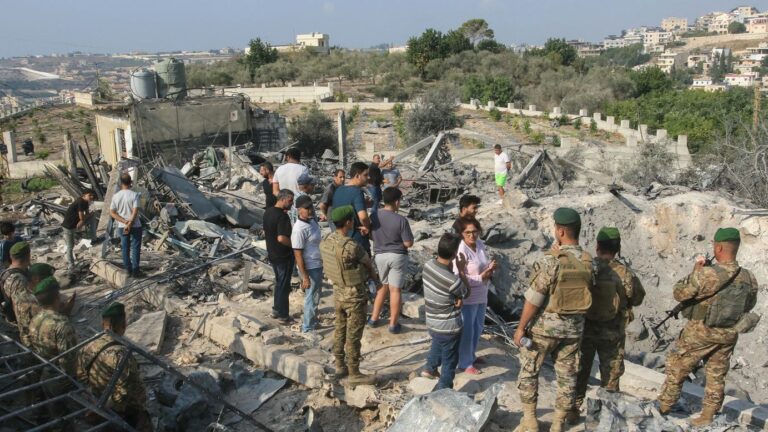
Israeli airstrikes in southern Lebanon have continued despite ceasefire discussions, with reports indicating civilian and medical casualties.
The possibility of Hezbollah expanding its operational involvement remains one of the most significant regional security concerns.
Military analysts warn that if Lebanon becomes a sustained secondary battlefield, diplomatic negotiations could collapse entirely.
Iran-backed groups across the region remain highly active, raising fears that multiple fronts could reopen simultaneously.
Oil Markets and Global Economic Shockwaves
The US Iran conflict is already affecting global markets.
Oil prices have experienced renewed volatility amid concerns over shipping disruptions and military escalation near critical maritime routes.
Several economic risks are now emerging:
- Higher global fuel prices
- Increased shipping insurance costs
- Supply chain disruptions
- Pressure on developing economies
- Rising inflation risks
Financial institutions are closely monitoring the possibility of prolonged instability in the Gulf region.
Economists warn that a sustained disruption in oil exports through the Strait of Hormuz could affect:
- Aviation
- Manufacturing
- Food transportation
- Global trade networks
The crisis is also reviving fears of broader recessionary pressures in vulnerable economies.
What This Means for Nigeria and Africa
For Nigeria and other African economies, the Middle East crisis carries major economic implications.
Although Nigeria is an oil-producing country, global energy instability often affects domestic fuel pricing, transportation costs, inflation, and currency pressures.
Analysts warn that prolonged instability could contribute to:
- Higher petrol prices
- Increased import costs
- Foreign exchange volatility
- Rising food prices
- Shipping delays
African governments are also closely watching the crisis due to concerns about global financial market instability.
The economic dimension of the conflict may ultimately affect millions of consumers far beyond the Middle East battlefield itself.
The geopolitical contradictions behind the war were previously explored in “US-Iran Strategy Timeline Reveals Contradictions” published by DSG Herald analysis.
Could the Conflict Escalate Further?
Despite diplomatic activity, uncertainty remains high.
Key unresolved questions include:
- Whether Iran will return to direct negotiations
- Whether Israel will intensify strikes
- Whether Russia will expand support for Tehran
- Whether China will openly challenge US sanctions
- Whether the Strait of Hormuz could face full closure
United Nations Secretary-General António Guterres has urged immediate de-escalation, warning that the conflict risks spiralling “out of control.”
European governments, meanwhile, remain divided on how to effectively influence the situation.
Diplomatic analysts say the next several weeks could determine whether the region moves toward renewed negotiations or a broader military confrontation.
According to coverage from CNN’s international desk, diplomatic contacts continue behind closed doors despite mounting tensions.
Timeline of Escalation
Key Developments in the Crisis
- US and Israeli strikes target Iranian-linked facilities
- Iran launches retaliatory regional operations
- Strait of Hormuz tensions intensify
- Ceasefire discussions begin through regional mediators
- US rejects aspects of Iran’s peace proposal
- Israeli operations continue in Lebanon
- Global oil markets react to renewed instability
Recommended Coverage
- Will World War III Become Reality? Global Risk Analysis
A broader geopolitical assessment examining whether multiple global conflicts could evolve into a larger international confrontation. - Historical Roots of the Middle East Conflict
An in-depth look at the historical and political foundations shaping modern Middle East tensions. - US-Iran Ceasefire Crisis and Pakistan Talks
Explores diplomatic mediation efforts and why negotiations between Washington and Tehran remain fragile. - Strait of Hormuz Tensions Explained
A detailed analysis of why the Strait of Hormuz remains central to global oil security and military strategy.
About the Author