Tinubu Cabinet Reshuffle 2026 Replaces Finance Minister
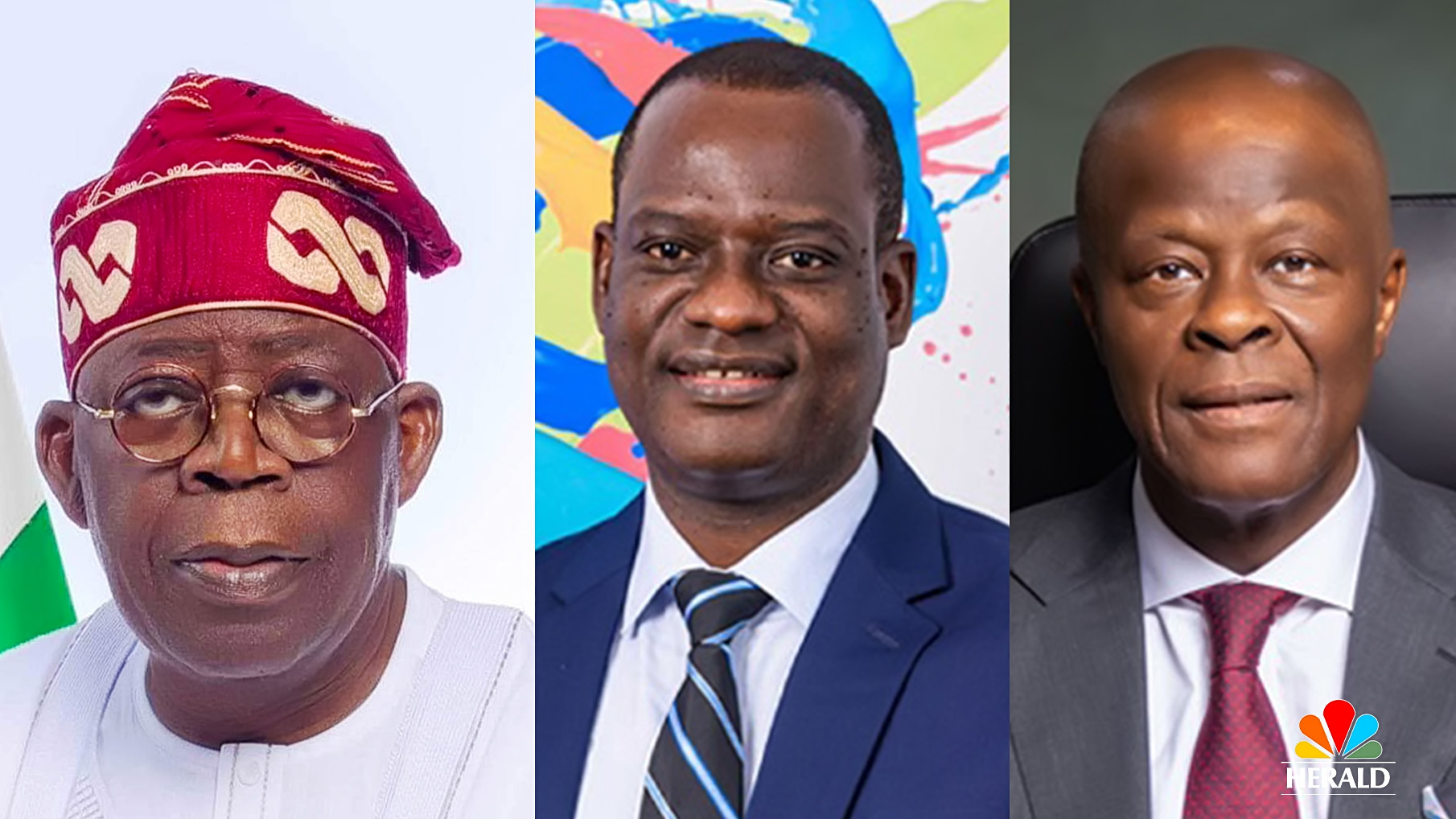
President Bola Ahmed Tinubu has approved a minor cabinet shake-up in Nigeria’s Federal Executive Council, removing Finance Minister Wale Edun and Housing Minister Ahmed Musa Dangiwa, while appointing Taiwo Oyedele as the new Minister of Finance. The Tinubu cabinet reshuffle 2026 was confirmed through an official memo signed by Secretary to the Government of the Federation, Senator George Akume, with all handover processes expected to be completed by April 23, 2026, as part of efforts to strengthen governance and economic delivery.
Tinubu Cabinet Reshuffle 2026: Key Changes Announced
The Tinubu cabinet reshuffle 2026 introduces significant leadership changes within Nigeria’s economic and housing sectors.
Key appointments and removals include:
- Wale Edun removed as Minister of Finance and Coordinating Minister for the Economy
- Ahmed Musa Dangiwa removed as Minister of Housing and Urban Development
- Taiwo Oyedele appointed as new Minister of Finance and Coordinating Minister for the Economy
- Muttaqha Rabe Darma (PhD) named ministerial nominee and designate for Housing and Urban Development
According to the official memo, both outgoing ministers have been directed to hand over to the respective ministers of state in their ministries pending full transitions.
Official Directive and Timeline
The government outlined a strict timeline for the transition process under the Tinubu cabinet reshuffle 2026.
- All handover and takeover processes must be completed by Thursday, April 23, 2026
- The directive was issued by Senator George Akume, Secretary to the Government of the Federation
- The announcement was publicly disclosed by Yomi Odunuga, Special Adviser on Media and Publicity
The memo emphasized administrative continuity, ensuring that governance activities remain uninterrupted during the transition period.
Why Tinubu Reshuffled the Cabinet
The Tinubu cabinet reshuffle 2026 has been framed by the presidency as part of a broader governance strategy.
In an official statement, Akume explained:
“These changes are aimed at strengthening cohesion, synergy in governance as well as achieving more impactful delivery on the economy to Nigerians, through the Renewed Hope Agenda.”
This suggests that the reshuffle is aligned with the administration’s economic reform priorities and performance optimization within key ministries.
Legal Backing for the Reshuffle
The presidency confirmed that the Tinubu cabinet reshuffle 2026 was carried out within constitutional provisions.
- The action was taken under Sections 147 and 148 of the 1999 Constitution (as amended)
- These sections empower the president to appoint and remove ministers
Akume stated that President Tinubu had “fully exercised his powers” in implementing the changes.
Profile: Taiwo Oyedele as New Finance Minister
Taiwo Oyedele’s appointment marks a critical shift in Nigeria’s economic leadership.
Key background details:
- Previously served as Minister of State in the Ministry of Finance
- Now elevated to substantive Minister of Finance and Coordinating Minister for the Economy
His appointment under the Tinubu cabinet reshuffle 2026 places him at the center of Nigeria’s fiscal policy direction at a time when the country faces economic pressures and reform expectations.
Housing Ministry: New Leadership Direction
In the housing sector, the Tinubu cabinet reshuffle 2026 introduces Muttaqha Rabe Darma as the incoming leader.
- Named ministerial nominee and minister designate
- Will oversee the Housing and Urban Development Ministry
Ahmed Musa Dangiwa has been directed to hand over responsibilities to the minister of state pending full transition.
Reactions and Government Position
While detailed public reactions were not specified in the original report, the presidency expressed appreciation to outgoing ministers.
- President Tinubu thanked Wale Edun and Ahmed Dangiwa for their service
- He wished them success in future endeavors
- The administration assured that cabinet reinvigoration will be continuous
This indicates that further adjustments may occur as part of ongoing governance reforms.
Governance and Economic Implications
The Tinubu cabinet reshuffle 2026 could have implications for Nigeria’s economic direction and policy execution.
Potential impacts include:
- Reset of economic strategy under new finance leadership
- Possible acceleration of fiscal and structural reforms
- Renewed focus on housing development policy
However, specific policy changes were not outlined in the original report, and details remain unclear regarding immediate economic measures.
Political Context and Broader Significance
Cabinet reshuffles are often used as tools to recalibrate governance performance. In this case, the Tinubu cabinet reshuffle 2026 appears targeted at:
- Strengthening executive coordination
- Improving delivery on national economic priorities
- Reinforcing the administration’s Renewed Hope Agenda
For observers, the replacement of a finance minister is particularly significant, given Nigeria’s ongoing economic challenges, including inflation, fiscal pressures, and currency management.
Related Coverage
You may also want to read:
- Pope Leo, Trump Dispute Clarified Amid Africa Visit Focus
Explores diplomatic tensions and global political narratives shaping international relations. - US Mine Clearing in Strait of Hormuz During Ceasefire Talks
Highlights strategic security developments affecting global energy routes and geopolitics. - US-Iran ‘Hell Threat’ Escalates Strait of Hormuz Crisis
Examines rising tensions in the Middle East with implications for global stability and markets.
The Tinubu cabinet reshuffle 2026 marks a strategic shift in Nigeria’s federal leadership, particularly within the economic and housing sectors. With Taiwo Oyedele stepping in as finance minister and new leadership emerging in housing, the administration signals a renewed push for governance efficiency and economic performance.
While the immediate policy direction remains unspecified, the changes underscore the president’s commitment to recalibrating his cabinet in pursuit of national development goals.
About the Author