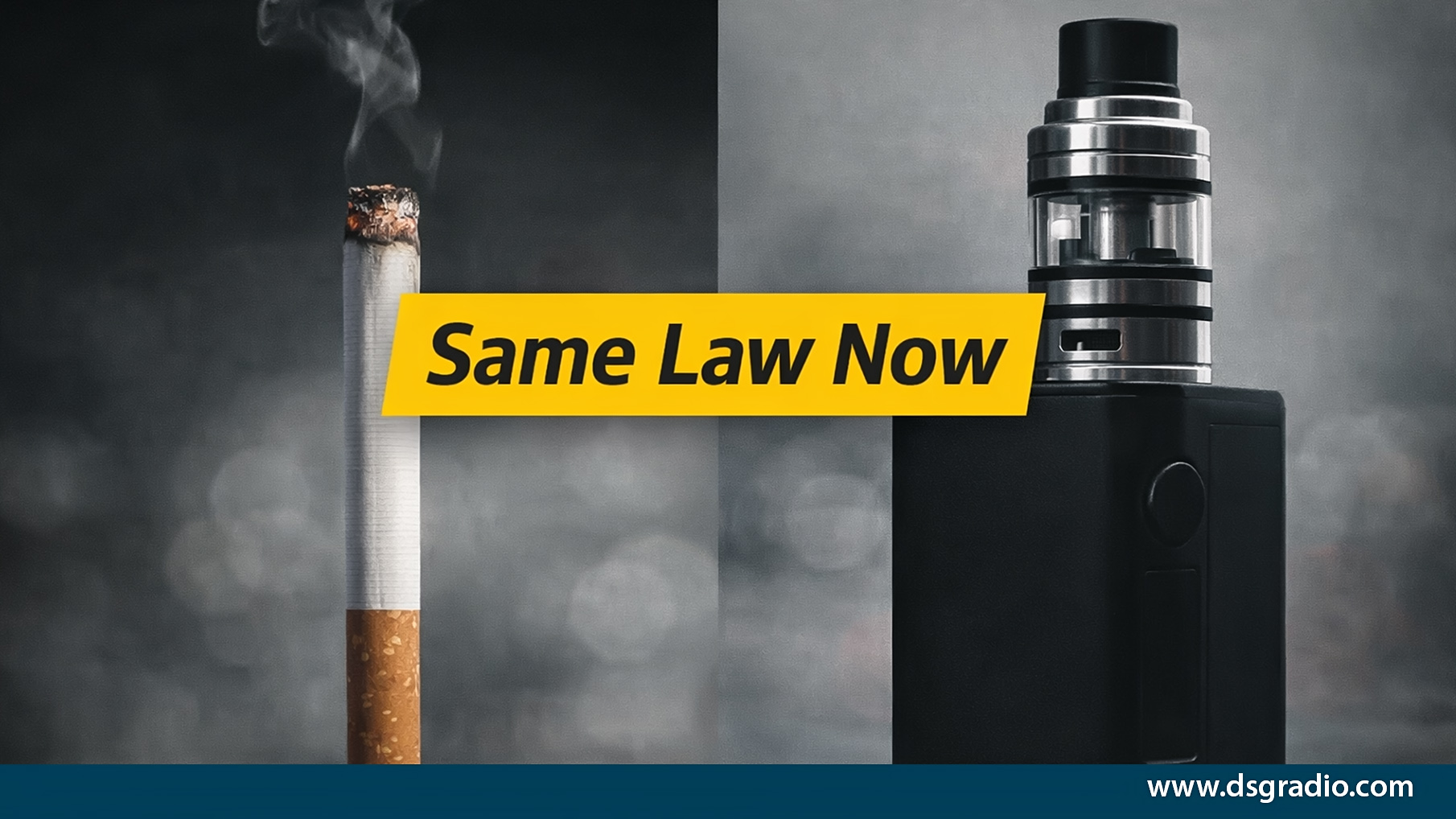
Liquid E-Cigarettes Regulation Expands in South Korea Under New Law
South Korea will begin enforcing stricter Liquid E-Cigarettes Regulation on the 24th of this month, bringing liquid-based vaping products under the same legal framework as traditional cigarettes. The move follows an amendment to the Tobacco Business Act announced by the Ministry of Health and Welfare on the 19th, aimed at closing regulatory gaps amid rising e-cigarette use.
South Korea Moves to Close Vaping Classification Gap
The updated Liquid E-Cigarettes Regulation in South Korea represents a significant policy shift. Until now, liquid e-cigarettes were not clearly classified as “cigarettes” under the Tobacco Business Act, allowing them to exist in a legal grey area.
Under the revised law:
- The definition of tobacco has been expanded
- Liquid e-cigarettes are now regulated like conventional cigarettes
- Authorities aim to eliminate inconsistencies in enforcement
According to the Ministry of Health and Welfare, the amendment targets the growing regulatory gap for e-liquids, which has allowed vaping products to avoid stricter controls applied to traditional tobacco products.
As reported, the rising popularity of liquid e-cigarettes has prompted increased scrutiny from public health authorities.
New Compliance Rules for Industry Players
With the enforcement of the new Liquid E-Cigarettes Regulation, manufacturers, importers, and retailers in South Korea must meet stricter requirements.
Key measures include:
- Mandatory health warnings (images and text) on packaging
- Health warnings on advertisements
- Stricter oversight of marketing and product labelling
Retail operations are also affected. Vending machines selling vaping products must now:
- Obtain retail designation approval
- Meet legal standards for installation location and distance
Failure to comply may result in penalties or regulatory action.
Public Smoking Ban Now Covers Vaping
A major change under South Korea’s Liquid E-Cigarettes Regulation is the inclusion of vaping in public smoking bans.
Previously:
- Users of liquid e-cigarettes could avoid penalties in non-smoking areas
- Enforcement was inconsistent due to unclear classification
Now:
- All forms of tobacco use, including vaping, are banned in designated non-smoking areas
- Violators face fines of up to 100,000 won
This effectively closes a long-standing loophole in South Korea’s tobacco control framework.
Government to Enforce Immediate Compliance
The Ministry of Health and Welfare has confirmed that enforcement will begin as soon as the law takes effect.
Authorities will:
- Inspect tobacco retailers, manufacturers, and importers
- Work with local governments and enforcement agencies
- Strengthen crackdowns in non-smoking zones
The ministry stated that it will ensure all stakeholders comply with the new Liquid E-Cigarettes Regulation obligations.
Public Health Context and Policy Direction
South Korea’s move reflects a broader global trend toward tightening the legal classification of e-cigarettes and closing regulatory gaps.
Health authorities are increasingly concerned about:
- Rising nicotine dependency linked to vaping
- Increased use among young people
- Limited long-term data on health effects
By aligning vaping products with traditional tobacco laws, South Korea joins other countries seeking stronger regulatory consistency.
Implications for Consumers and Businesses
For Consumers in South Korea
- Clear restrictions on vaping in public spaces
- Increased exposure to health warnings
- Risk of fines for violations
For Businesses
- Higher compliance costs
- Tighter advertising and distribution rules
- Increased regulatory oversight
For Public Health
- Stronger enforcement tools
- Reduced ambiguity in tobacco laws
- Potential influence on vaping behavior
However, details remain unclear regarding how these changes will affect long-term vaping trends in South Korea.
Global Relevance: Lessons Beyond South Korea
Although this policy is specific to South Korea, the implications are global.
Countries across Europe, North America, and Africa—including Nigeria—are grappling with similar loopholes and classification challenges in their vaping laws. As vaping adoption grows, regulators worldwide are being pushed to respond with clearer, stricter frameworks.
South Korea’s approach may serve as a reference model for emerging markets considering similar reforms.
Conclusion
The expansion of the Liquid E-Cigarettes Regulation in South Korea marks a decisive step toward closing legal gaps and strengthening tobacco control. By bringing liquid e-cigarettes under the same regulatory framework as traditional cigarettes, authorities aim to improve enforcement, increase public awareness, and address rising vaping trends.
Whether the policy will significantly reduce usage or reshape the market remains to be seen, but it signals a clear shift toward tighter oversight of nicotine products.
🔗 Related Articles
You may also want to read:
- Why Sitting Is the New Smoking for Your Health
Explores how lifestyle habits, like prolonged sitting, pose health risks comparable to smoking—adding context to broader public health concerns. - Imo Care: How Free Healthcare Is Changing Lives
Highlights healthcare reforms that complement regulatory efforts to improve public health outcomes. - Enugu Student Nurse Suspension Sparks Outrage
Examines healthcare system challenges and governance issues relevant to policy enforcement environments. - Why Young People Are Having More Heart Attacks
Investigates rising health risks among youth, including factors linked to smoking and vaping behaviours.
About the Author