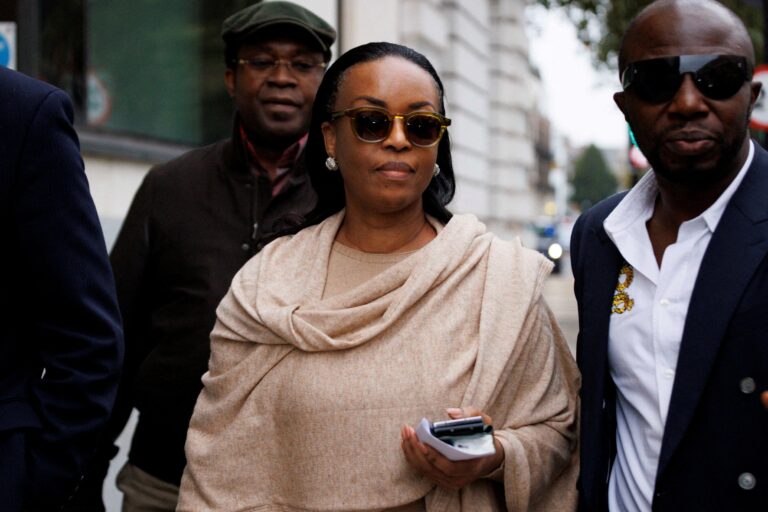
Benin Presidential Election 2026: Wadagni Leads as Votes Counted
Cotonou, Benin — April 13, 2026: The Benin presidential election 2026 entered a decisive phase as polling stations closed across the West African nation, with Finance Minister Romuald Wadagni emerging as the clear frontrunner to succeed outgoing President Patrice Talon.
Nearly eight million eligible voters participated in the nationwide vote, marking a significant political transition after Talon completed the constitutional limit of two five-year terms. The election was conducted under the supervision of observers from the Economic Community of West African States (ECOWAS), the African Union (AU), and the European Union (EU).
A Transition of Power Under Talon’s Shadow
The Benin presidential election 2026 represents a turning point in the country’s political trajectory. President Patrice Talon, who has governed since 2016, is stepping down after completing his mandated tenure.
Talon’s administration has been defined by:
- Rapid economic expansion
- Major infrastructure investments
- Political reforms that critics say narrowed opposition space
Notably, Talon survived a coup attempt in December 2025, reinforcing concerns about political stability ahead of the election. He endorsed Romuald Wadagni, his 49-year-old finance minister, as his preferred successor.
Who is Romuald Wadagni?
Romuald Wadagni has served as Benin’s finance minister and is widely credited with driving economic reforms during Talon’s presidency.
Key highlights of his profile:
- Age: 49
- Position: Finance Minister
- Backing: Supported by the ruling parties and the outgoing president
- Reputation: Architect of Benin’s economic growth strategy
His candidacy reflects continuity in governance and economic policy direction.
Limited Opposition Raises Concerns
One of the defining features of the Benin presidential election 2026 is the absence of a strong opposition challenge.
- The main opposition party, the Democrats, did not field a candidate
- Party leader Renaud Agbodjo failed to secure sufficient parliamentary endorsements
- Opposition candidate Paul Hounkpe ran a subdued campaign
This situation has sparked debate over the inclusiveness of the electoral process.
According to the report, the lack of opposition participation has fueled frustration among some voters and raised questions about democratic balance.
Voting Process and Observations
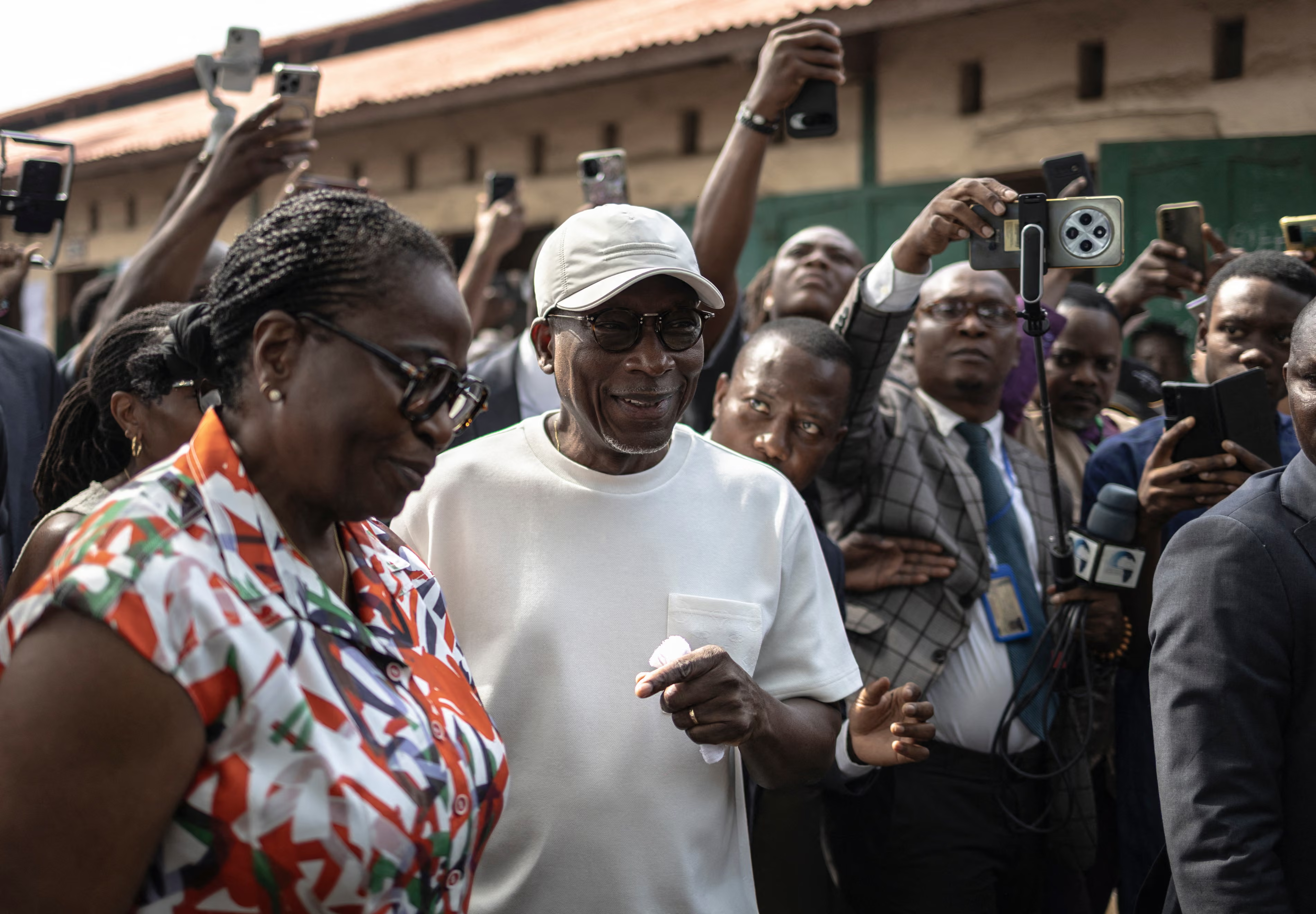
Voting was largely calm, though not without issues.
Electoral commission chief Sacca Lafia confirmed that:
- The process was generally peaceful
- Ballot counting began shortly after polls closed
However, civil society groups reported:
- Approximately 100 incidents
- Cases of early poll openings
- Reports of suspiciously full ballot boxes
Turnout appeared modest in several polling stations, particularly in Cotonou, the country’s economic capital.
Economic Growth vs Social Inequality
The Benin presidential election 2026 is not only about leadership but also about economic direction.
Under Talon:
- GDP reportedly doubled
- Infrastructure projects expanded significantly
However:
- Poverty remains above 30 per cent
- Many citizens say growth has not been evenly distributed
This economic divide has become a central issue shaping voter expectations.
Security Challenges in Northern Benin
Security remains a growing concern.
- Jihadist violence has spread into northern regions
- Authorities face increasing pressure to strengthen national security
These threats could define the next administration’s priorities.
Youth Expectations and Social Demands
Young voters are playing a crucial role in shaping the national conversation.
A voter, Landry Sodogandji, a 30-year-old advisor, stated:
“There’s progress, but more must be done.”
His comments reflect broader demands for:
- Youth inclusion
- Improved social policies
- Greater economic opportunities
Constitutional Changes and Long-Term Impact
The next president will govern under new constitutional rules:
- Presidential term extended to seven years
- Potential tenure lasting until at least 2033
This change significantly raises the stakes of the Benin presidential election 2026, as the outcome will shape the country’s long-term political and economic direction.
What Different Sources Say
- Africanews reports emphasise economic continuity and political concerns
- AllAfrica highlights Wadagni’s expected victory and Talon’s endorsement
- Civil society groups focus on electoral irregularities and opposition’s absence
Some claims regarding irregularities could not be independently verified.
For further details, see the reporting by
Conclusion
The Benin presidential election 2026 marks a critical juncture for the West African nation. With Romuald Wadagni poised for victory, the country faces a future defined by economic continuity, political scrutiny, and growing social expectations.
While the election process was largely peaceful, concerns about opposition participation, inequality, and security remain key issues that will shape governance in the years ahead.
About the Author