Trump Attacks Pope Leo XIV Over Iran War Criticism
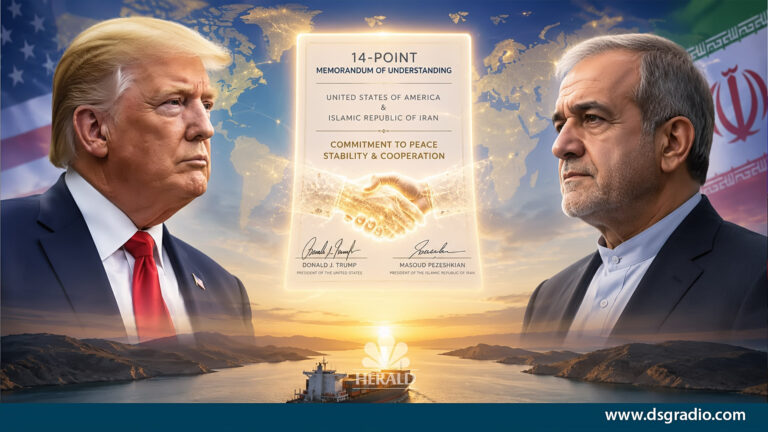
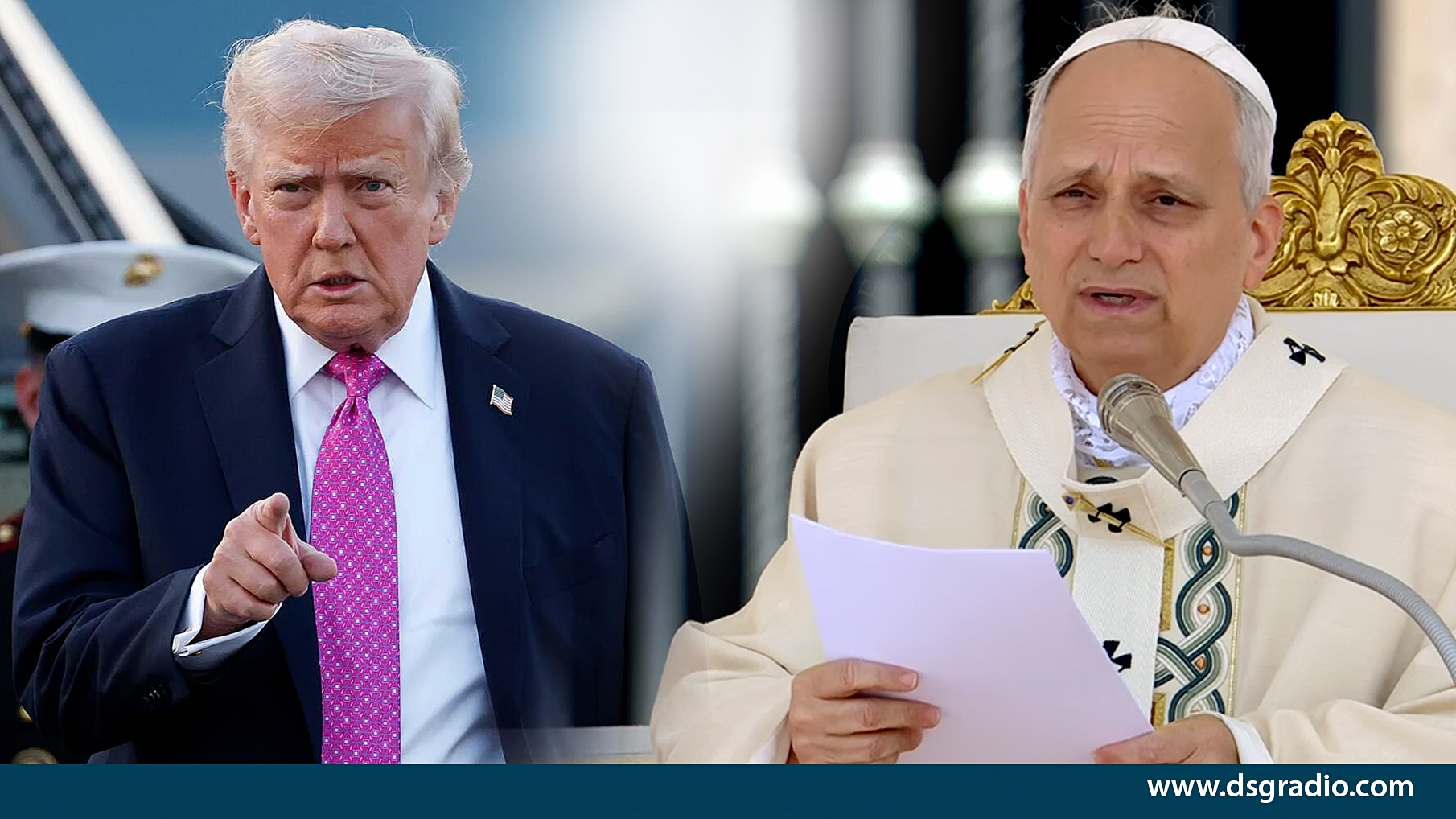
Trump attacks Pope Leo XIV in a sharp public confrontation on Sunday, as U.S. President Donald Trump criticised the Catholic pontiff for opposing U.S. rhetoric on Iran. Speaking at Joint Base Andrews in Maryland, United States, and through a Truth Social post, Trump described Pope Leo XIV as “weak on crime” and “terrible for foreign policy.” The remarks followed the pope’s recent condemnation of threats to “wipe out” Iranian civilisation and calls for peace. The incident marks a rare and escalating clash between political leadership and religious authority.
What Sparked the Trump–Pope Clash
The controversy began after Pope Leo XIV, the first American pope, publicly criticised U.S. rhetoric regarding Iran.
According to the report :
- The pope condemned threats to destroy Iranian civilisation
- He stated that attacks on civilian infrastructure violate international law
- He urged global leaders, including the U.S., to pursue peace
- He warned that the world is “becoming indifferent” to violence
These remarks came amid heightened tensions surrounding the Iran conflict, though the exact timeline of the war escalation was not specified in the original report.
Trump’s Response: Strong Words and Personal Attacks
Reacting to the pope’s statements, Donald Trump issued a series of criticisms:
- Called the pope “WEAK on crime”
- Described him as “terrible for foreign policy”
- Claimed: “I don’t think he’s doing a very good job”
- Suggested the pope supports crime and nuclear weapons
Speaking to reporters in Maryland, Trump said:
“We don’t like a pope that’s going to say that it’s OK to have a nuclear weapon.”
He also posted a controversial image depicting himself with saint-like powers, laying hands on a man, surrounded by symbolic American imagery.
Trump further escalated his remarks by claiming:
- Pope Leo’s election was influenced by U.S. politics
- The Vatican chose him because he is American
- His presidency contributed to Leo becoming pope
These claims have not been independently verified.
Vatican and Catholic Leaders Respond
The Vatican did not immediately issue an official response.
However, senior Catholic figures reacted strongly:
Antonio Spadaro
Undersecretary, Vatican Dicastery for Culture and Education
- Described Trump’s attack as a “declaration of impotence”
- Said political power lashes out when it cannot control moral authority
Archbishop Paul Coakley
President, U.S. Conference of Catholic Bishops
- Criticised Trump’s language
- Emphasised that the Pope is not a political rival
“Pope Leo is not his rival; nor is the Pope a politician.”
Public Opinion: Pope vs Trump Popularity
A March NBC News poll revealed contrasting public perception:
- Pope Leo XIV
- 42% positive views
- 8% negative views
- Donald Trump
- 41% positive views
- 53% negative views
This suggests the pope currently enjoys higher favorability among U.S. voters, though the broader implications remain unclear.
Timeline of Events
- May [Year not specified]: Pope Leo XIV elected
- Last week: Pope criticises Iran-related rhetoric
- Sunday (Date not specified): Trump issues public attack
- Monday (Date not specified): Pope departs for Africa tour
Pope Leo XIV’s Africa Visit
At the time of the controversy:
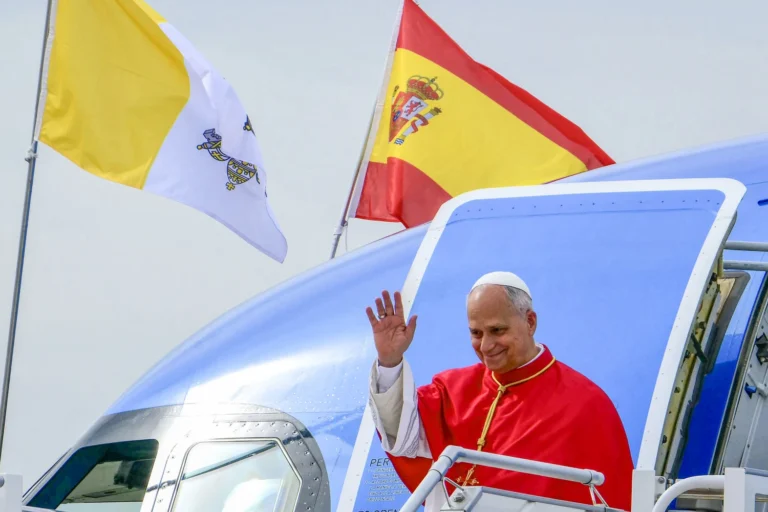
- Pope Leo XIV was travelling to Algeria
- Beginning an 11-day tour
- Visiting four African nations
Details of the full itinerary were not specified in the original report.
Context: Religion vs Politics in Global Affairs
This incident reflects a broader tension between:
Religious Leadership
- Advocates peace, moral restraint, and humanitarian law
- Focuses on global ethics and civilian protection
Political Leadership
- Prioritises national security and strategic interests
- Uses strong rhetoric in geopolitical conflicts
The clash highlights how religious influence continues to shape global political discourse, especially during conflict.
What Different Sources Say
- NBC News (Primary Source): Focuses on Trump’s direct criticism and Vatican reaction
- Other outlets (general consensus):
- Emphasise the unusual nature of a U.S. president criticising a pope so directly
- Highlight growing tension between moral diplomacy and hardline political rhetoric
Some interpretations suggest the conflict symbolises a deeper divide between populist politics and global humanitarian advocacy.
Implications and Global Reactions
The fallout from this dispute could include:
- Increased scrutiny of U.S.–Vatican relations
- Heightened political polarization
- Greater attention to religious influence in foreign policy
It also raises key questions:
- Should religious leaders intervene in geopolitical conflicts?
- How should political leaders respond to moral criticism?
Conclusion
The moment Trump attacks Pope Leo XIV marks a significant flashpoint in global discourse, blending religion, politics, and international conflict. While the Vatican emphasises peace and moral responsibility, Trump’s response reflects a more confrontational political stance.
As global tensions continue, the intersection between faith and power remains a defining feature of modern leadership debates.
About the Author