Min Aung Hlaing, Myanmar President, After Controversial Transition
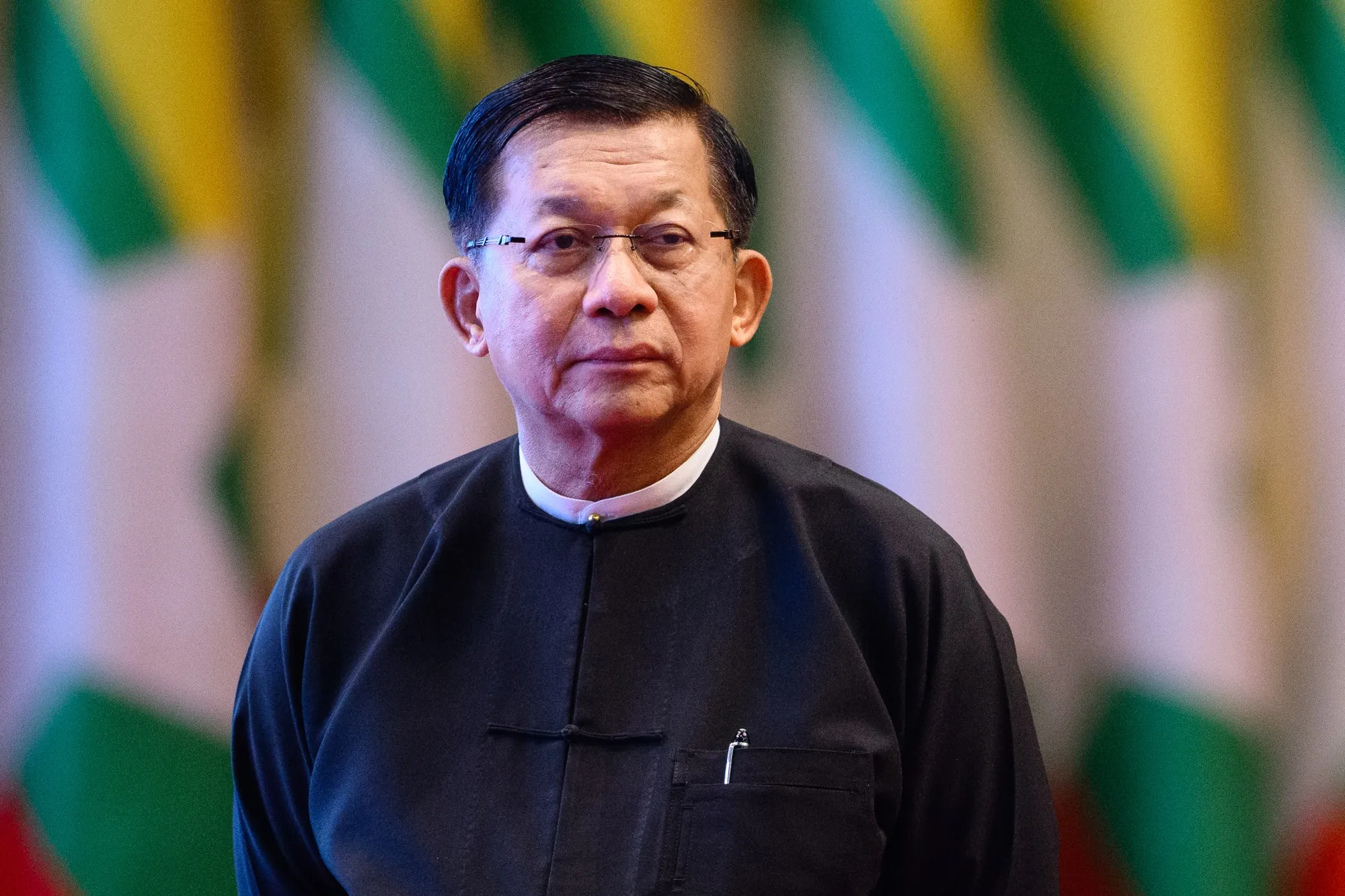
Naypyidaw, Myanmar — April 2026: Min Aung Hlaing, the military leader who orchestrated Myanmar’s February 1, 2021 coup against Aung San Suu Kyi’s elected government, has been appointed president by a newly formed parliament dominated by his allies. The development marks a formal transition from military rule to what authorities describe as civilian governance, though analysts argue that real power remains firmly in military hands.
Min Aung Hlaing, the Myanmar president, assumed his position five years after he initially promised to restore democratic rule within one year—a pledge widely criticised as delayed and largely symbolic.
Myanmar has been engulfed in political turmoil since the military seized power in February 2021, overthrowing the National League for Democracy (NLD) government led by Aung San Suu Kyi.
Key background facts include:
- The coup occurred just before parliament was set to confirm the NLD’s landslide victory in the November 2020 elections
- Min Aung Hlaing justified the takeover by alleging electoral fraud, claims widely rejected internationally
- The military imposed emergency rule, detaining political leaders and suppressing dissent
According to the report, Min Aung Hlaing had pledged elections within one year, but the timeline extended to five years before any transition materialised.
The newly convened parliament—its first sitting since the coup—elected Min Aung Hlaing as president.
However, several factors undermine the credibility of this transition:
- The parliament is overwhelmingly composed of military loyalists
- The military constitution guarantees 25% of parliamentary seats to armed forces representatives
- The military-backed Union Solidarity and Development Party (USDP) secured nearly 80% of remaining seats in elections described as heavily tilted
Before assuming office, Min Aung Hlaing formally stepped down as commander-in-chief of the armed forces, a constitutional requirement.
He has been replaced by General Ye Win Oo, described as a hardliner with a reputation for brutality.
Despite this transition, the report notes that the process resembles “more of a coronation than an election.”
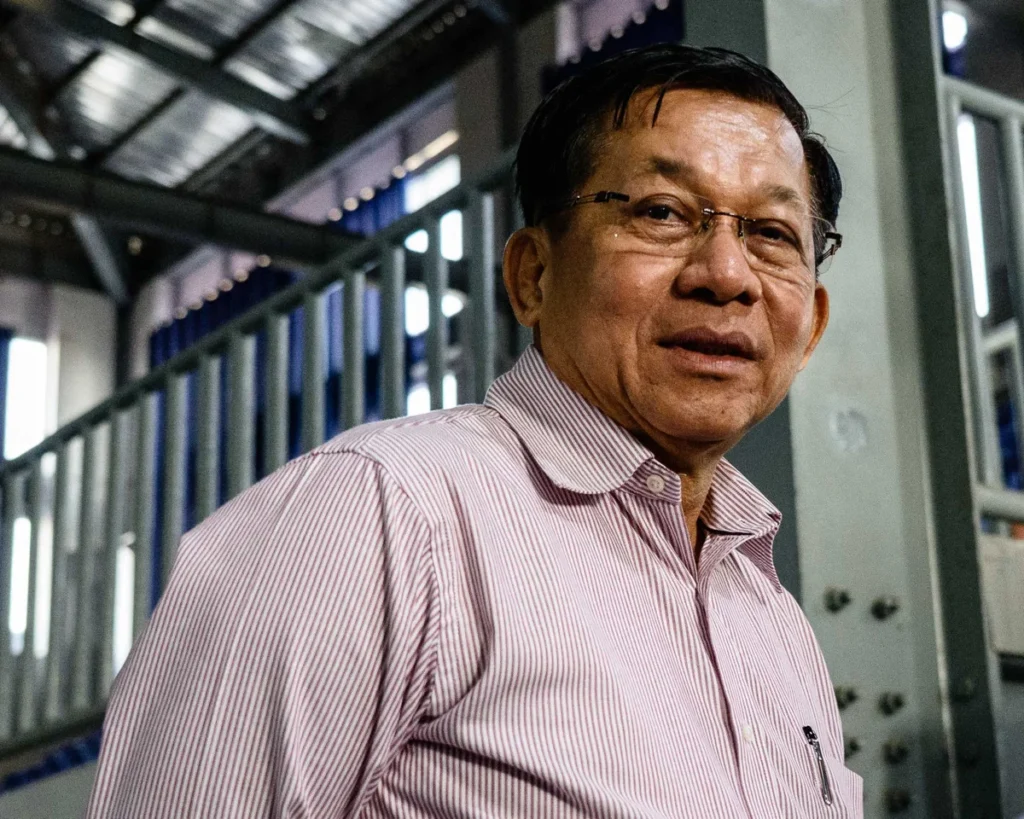
Min Aung Hlaing has taken additional steps to ensure continued dominance over Myanmar’s political structure:
- Established a new consultative council with authority over both civilian and military affairs
- Ensured loyal military figures dominate key government positions
- Maintained structural military influence through constitutional provisions
These actions suggest that stepping down from military leadership does not equate to relinquishing power.
The five years since the coup have had devastating consequences across Myanmar.
Key impacts include:
- Thousands killed in ongoing conflict
- Millions displaced internally and externally
- Severe economic decline
- Widespread destruction of infrastructure
The military’s response to resistance has been particularly controversial.
According to the report:
- Airstrikes have targeted opposition-controlled villages
- Civilian infrastructure, including schools and hospitals, has been destroyed
- The military employed the “four cuts” strategy—cutting off food, funds, intelligence, and recruits to insurgents
This strategy has historically been used in Myanmar to suppress insurgencies but has drawn widespread international criticism for its humanitarian impact.
The report highlights testimony from a young activist identified as Kyaw Win (name changed for safety), who was arrested during protests in 2022.
He described severe abuse during detention:
- Beatings with iron rods
- Cigarette burns
- Knife injuries
- Sexual assault
Kyaw Win stated that although his commitment to resistance remains, he now plans to leave Myanmar due to fear and limited opportunities.
This account reflects broader patterns of alleged human rights violations reported by activists and international observers.
Military Strategy and Territorial Control
Despite facing resistance, the military regime has managed to regain some lost territory.
Key developments include:
- Loss of large areas to armed resistance groups
- Subsequent recapture of some regions with external support
- Assistance reportedly received from China and Russia
These developments highlight the geopolitical dimension of Myanmar’s conflict.
The appointment of Min Aung Hlaing as president raises significant concerns internationally:
Political Implications:
- Questions over the legitimacy of Myanmar’s electoral process
- Continued military dominance despite a civilian facade
- Reduced prospects for a genuine democratic transition
Humanitarian Concerns:
- Ongoing displacement crisis
- Continued reports of civilian targeting
- Limited access for humanitarian organizations
Geopolitical Factors:
- Support from China and Russia may strengthen the junta
- Western nations are likely to maintain sanctions
- ASEAN faces continued pressure to mediate the crisis
While the military government presents this transition as a return to civilian rule, several uncertainties remain:
- Whether genuine political opposition will be allowed
- Whether peace negotiations with resistance groups will occur
- The future of detained political leaders, including Aung San Suu Kyi
- The possibility of further international sanctions
For many citizens and observers, the transition does not represent meaningful change but rather a restructuring of military control under a civilian label.
As the report concludes, Min Aung Hlaing has ensured that “in taking off his uniform, he does not dilute his power.”
About the Author