Jimoh Ibrahim UN Appointment Petition Triggers Calls for Review by Tinubu, UN
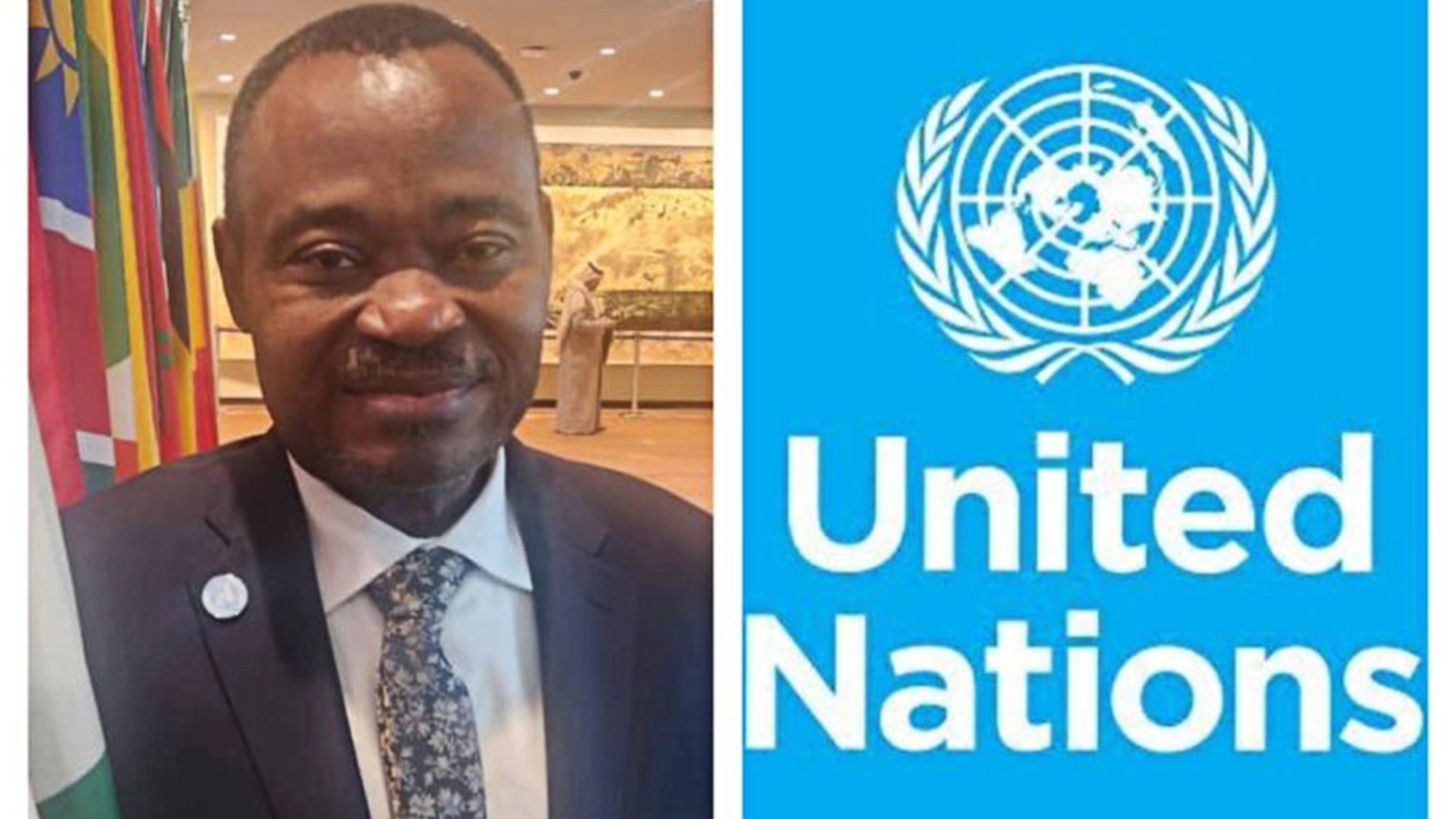
The Jimoh Ibrahim UN appointment petition has gained significant attention after more than 100 civil society organisations (CSOs) called on President Bola Ahmed Tinubu and United Nations Secretary-General António Guterres to review the appointment of Senator Jimoh Ibrahim as Nigeria’s Permanent Representative to the United Nations. The petition, contained in an open letter, cites ongoing legal and financial concerns tied to Ibrahim’s business dealings and raises questions about governance standards and Nigeria’s international credibility.
According to the report, the coalition—comprising 106 civil society organisations—argued that Nigeria’s Permanent Mission to the United Nations represents “the sovereign voice of over 220 million Nigerians within the multilateral system.”
They stressed that the credibility of such a position is closely linked to the integrity, legal standing, and public record of the appointed representative.
The groups warned that diplomatic appointments are not merely ceremonial but reflect a country’s commitment to rule of law, transparency, and institutional accountability.
In the open letter addressed to both Nigerian and UN authorities, the CSOs highlighted several legal and financial issues associated with Senator Jimoh Ibrahim:
- Unpaid Salaries:
Over 300 former employees of NICON Airways have allegedly remained unpaid since May 2007. - Court Judgments:
- The National Industrial Court awarded ₦1.5 billion in 2013 (Suit No. NICON/LA/192/2011).
- This judgment was upheld by the Court of Appeal in 2017 (Suit No. NICN/ABJ/280/M/2014).
- Ongoing Legal Proceedings:
- Salary arrears and pension obligations are reportedly still pending before the Federal High Court, Lagos (Suit No. FHL/L/CL/776/2016).
- Tax-Related Charges:
The Federal Inland Revenue Service (now the Nigeria Revenue Service) filed a 10-count charge against Air Nigeria for alleged tax liabilities.
These proceedings are still before the Federal High Court, Abuja.
Despite these issues, the National Assembly had previously cleared Ibrahim of personal wrongdoing regarding aviation intervention funds. However, the CSOs emphasised that the status of public fund recovery remains a policy concern.
The coalition made strong statements regarding governance and accountability:
- “Diplomatic appointments are instruments of state.”
- “They signal a country’s commitment to the rule of law, institutional integrity, and governance standards.”
- “Publicly documented legal and financial matters may attract scrutiny.”
The groups also called for:
- Public clarification on ongoing court cases
- Transparency on enforcement actions and recovery processes
- Clear standards for vetting diplomatic appointments
They further noted that:
“This issue extends beyond a single appointment. It concerns the coherence between Nigeria’s legal processes, governance frameworks, and standards in public service.”
The petition was signed by 106 organisations, including:
- Accountability Lab Nigeria
- BudgIT Foundation
- Centre for Democracy & Development (CDD)
- CLEEN Foundation
- Enough is Enough (EiE) Nigeria
- Yiaga Africa
- Women’s Rights and Health Project
- Women’s Aid Collective (WACOL)
- National Association of Women Journalists (NAWOJ)
These organisations span sectors such as:
- Governance and accountability
- Gender advocacy
- media and civic engagement
- human rights and development
The CSOs referenced Nigeria’s official governance instruments, including:
- National Ethics and Integrity Policy
- National Values Charter
Both frameworks emphasise:
- Integrity
- Accountability
- Transparency
- Personal responsibility in public service
The groups argued that any perceived inconsistency between these frameworks and diplomatic appointments could undermine public trust.
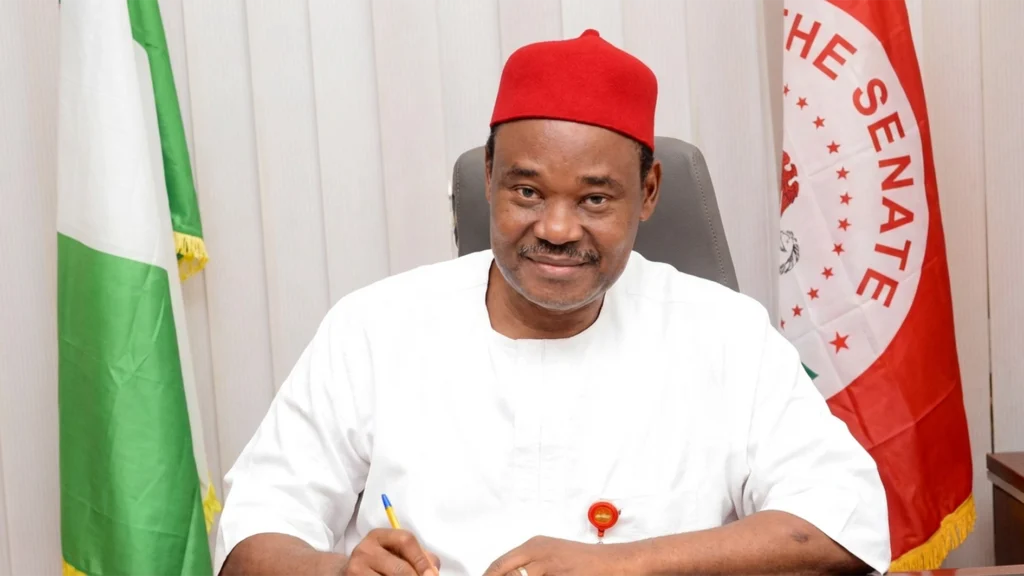
The Jimoh Ibrahim UN appointment petition carries broader implications beyond Nigeria:
1. International Reputation
Nigeria’s representation at the UN is seen as a reflection of its governance standards. Any controversy surrounding such appointments may:
- Attract international scrutiny
- Affect diplomatic credibility
- Influence investor confidence
2. Institutional Trust
Domestically, the issue touches on:
- Public confidence in government institutions
- Perception of fairness in public appointments
- Enforcement of judicial rulings
3. Rule of Law Narrative
The case highlights the ongoing challenge of aligning:
- Judicial decisions
- Executive actions
- Public accountability systems
What Happens Next
The CSOs have formally requested:
- A review of the appointment
- Clarification on pending legal cases
- Transparency in vetting processes for diplomatic roles
As of the time of this report:
- No official response from President Bola Ahmed Tinubu was cited in the original report.
- No response from the United Nations was specified.
→ These responses could not be independently verified at the time of publication.
Conclusion
The Jimoh Ibrahim UN appointment petition underscores a critical intersection between governance, law, and diplomacy. While the appointment itself remains under scrutiny, the broader debate centers on institutional integrity, transparency, and Nigeria’s global image.
The coming days may determine whether authorities respond with clarification—or whether the controversy escalates into a larger governance debate.
About the Author