The escalation of the Middle East conflict disrupts the global security landscape.
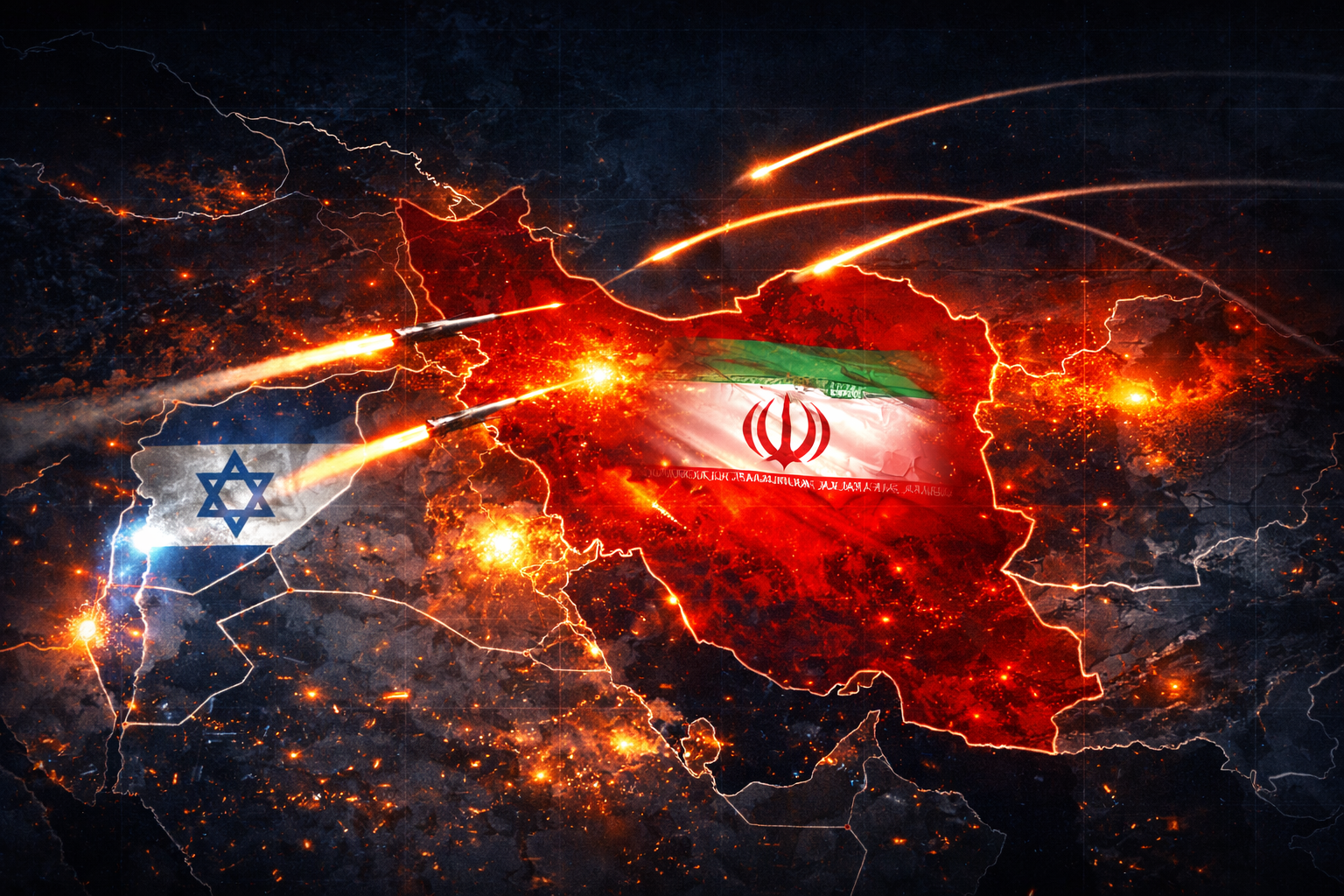
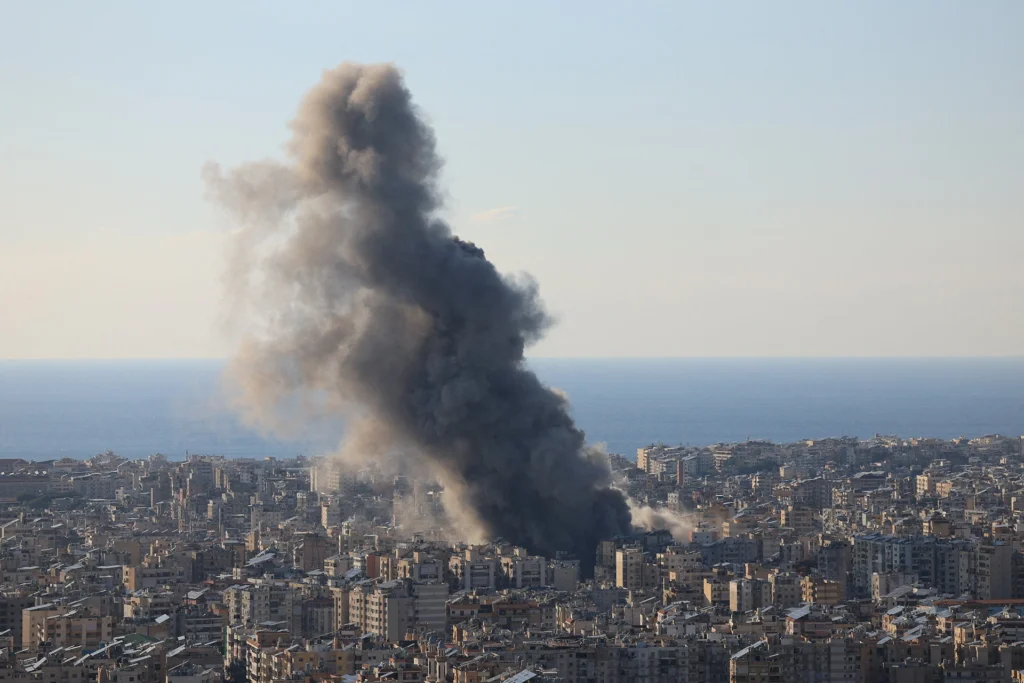
Middle East conflict escalation is intensifying global security tensions, with governments, institutions, and international organisations responding to growing instability across the region. The ongoing crisis, which has escalated in recent weeks across key Middle Eastern zones, is disrupting travel, diplomatic relations, and regional stability, while forcing world leaders to reassess security strategies and geopolitical alliances.
The situation, unfolding across multiple flashpoints in the Middle East, remains volatile as policymakers warn of broader economic and political consequences if the crisis deepens further.
Rising Global Security Concerns
Escalation of the Middle East conflict is raising alarm among global powers, including the United States, the European Union, China, and Russia, as the ripple effects extend beyond the region. Security analysts note that the conflict is no longer isolated but is increasingly influencing global military positioning and intelligence coordination.
Officials in Washington, Brussels, and Beijing have emphasised the need for diplomatic engagement to prevent further deterioration. NATO Secretary-General Jens Stoltenberg has previously warned about the risks of regional conflicts spilling into broader global confrontations, a concern now resurfacing amid this crisis.
Key developments linked to global security tensions include:
- Increased military readiness among Western and regional forces
- Heightened intelligence-sharing between allied nations
- Renewed focus on counterterrorism operations
- Strategic reassessment of defence partnerships
Impact on Travel and International Mobility
The escalation of the Middle East conflict is also affecting global travel patterns, with airlines rerouting flights and governments issuing travel advisories. Several international carriers have suspended or adjusted routes passing through affected airspaces due to safety concerns.
Countries such as the United Kingdom, Germany, and Canada have updated travel warnings, urging citizens to avoid high-risk areas. Aviation authorities are working closely with security agencies to ensure passenger safety, but disruptions continue to impact both commercial and diplomatic travel.
Airspace restrictions and heightened airport security measures are contributing to delays and increased travel costs, further illustrating how global security tensions are influencing everyday life beyond conflict zones.
Diplomatic Strain and Shifting Alliances
The escalation of the Middle East conflict is placing significant pressure on diplomatic relations as countries navigate complex alliances and competing interests. The crisis is testing long-standing partnerships while creating new geopolitical alignments.
Middle Eastern nations are recalibrating their foreign policies, with some seeking mediation roles while others strengthen military cooperation. Saudi Arabia, Iran, Israel, and Turkey remain central to the evolving dynamics, each pursuing strategic objectives that shape the broader conflict landscape.
Global powers are also adjusting their diplomatic stance:
- The United States is reinforcing its regional alliances.
- The European Union is pushing for ceasefire negotiations.
- China is advocating for multilateral dialogue.
- Russia is monitoring developments closely amid its own geopolitical interests.
These diplomatic shifts highlight how global security tensions are redefining international relations in real time.
Economic Implications and Market Reactions
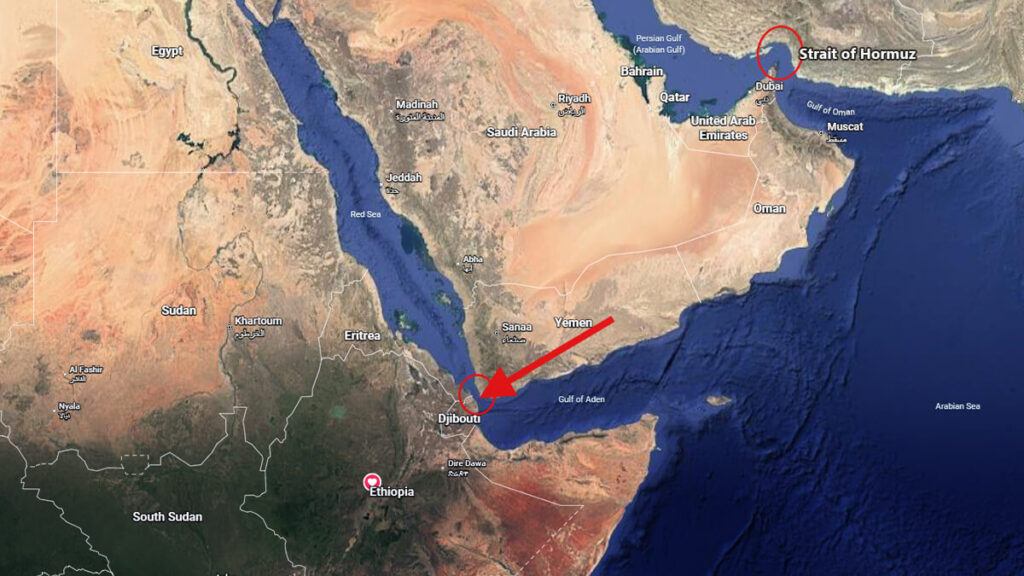
The escalation of the Middle East conflict is triggering economic uncertainty, particularly in global energy markets. The region’s strategic importance in oil production means any instability has immediate consequences for global supply chains and pricing.
Oil prices have shown volatility as investors react to the unfolding situation. Economists warn that prolonged instability could lead to:
- Rising fuel prices worldwide
- Disruptions in global trade routes
- Inflationary pressures in import-dependent economies
- Reduced investor confidence in emerging markets
Financial institutions, including the International Monetary Fund (IMF) and World Bank, are closely monitoring the situation, emphasising the need for stability to sustain global economic recovery.
Security Strategies and Military Preparedness
The escalation of the Middle East conflict is prompting governments worldwide to reassess their security strategies. Defence ministries across Europe, Asia, and North America are reviewing contingency plans and increasing surveillance of potential threats.
Military analysts point to a growing emphasis on:
- Cybersecurity and digital warfare preparedness
- Intelligence gathering and surveillance operations
- Rapid deployment capabilities
- Protection of critical infrastructure
In Africa, including Nigeria, security experts are also closely watching developments, noting that global security tensions could influence regional security frameworks, especially in areas already grappling with insurgency and terrorism.
Humanitarian and Regional Stability Concerns
The escalation of the Middle East conflict is raising humanitarian concerns, with civilians in affected areas facing displacement, limited access to essential services, and heightened insecurity. International organisations such as the United Nations and the Red Cross are calling for urgent humanitarian access and protection of civilians.
Aid agencies warn that continued escalation could worsen refugee flows and strain neighbouring countries already managing existing humanitarian challenges. The crisis underscores the need for coordinated global response mechanisms to address both immediate and long-term impacts.
Global Outlook and Future Implications
The escalation of the Middle East conflict continues to shape global security, with experts warning that the situation could evolve into a prolonged geopolitical crisis if not addressed through diplomacy. The interconnected nature of modern economies and security systems means the impact will likely extend far beyond the region.
Key future scenarios include:
- Increased global military spending
- Expansion of regional conflicts
- Strengthening of new geopolitical alliances
- Greater emphasis on multilateral diplomacy
World leaders are expected to intensify diplomatic efforts in the coming weeks, seeking to de-escalate tensions and prevent further destabilisation.
Conclusion
The escalation of the Middle East conflict remains a critical global issue, influencing security, diplomacy, and economic stability worldwide. As governments reassess strategies and alliances, the international community faces a defining moment in managing global security tensions.
The coming weeks will be crucial in determining whether diplomatic efforts can contain the crisis or whether the world must prepare for a more prolonged period of instability.
About the Author