Nigeria’s 2026 budget of N68.3 trillion approved amid fiscal concerns.
ABUJA, Nigeria — The Nigerian 2026 budget N68.3 trillion has been approved by the Senate following deliberations in Abuja, marking a significant increase from the N58.4 trillion budget for 2025. Lawmakers said the expansion reflects inflationary pressures, rising government obligations, and new spending priorities. However, economists and fiscal analysts have raised concerns about revenue projections and the risk of widening deficits.
The approval of the Nigerian 2026 budget of N68.3 trillion comes as the country continues to navigate economic challenges, including currency volatility, rising debt-servicing costs, and pressure on public finances.
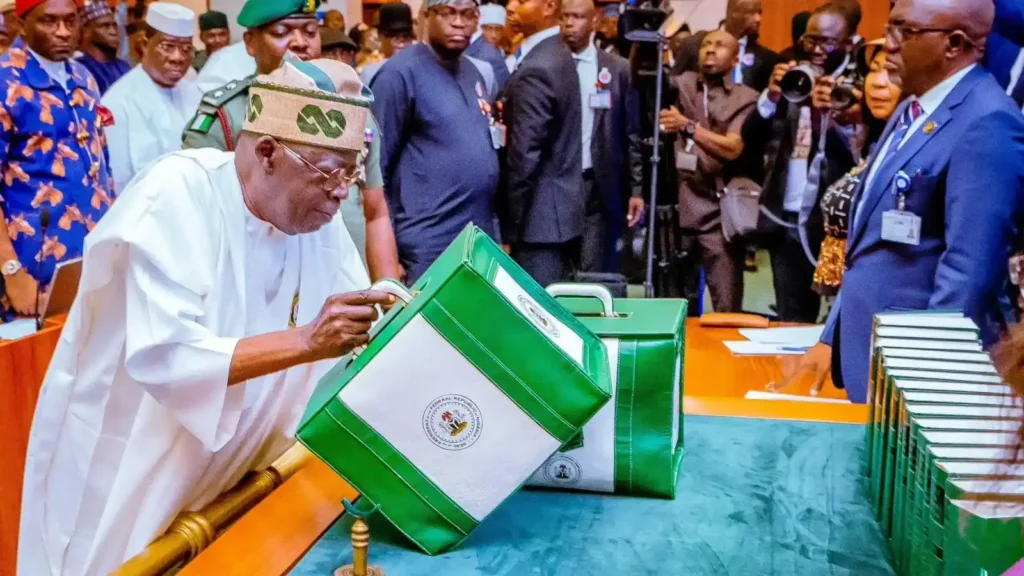
Key Highlights of the Nigerian 2026 budget: N68.3 trillion
The Nigerian 2026 budget of N68.3 trillion represents one of the largest spending plans in the country’s history. Lawmakers emphasised the need for aggressive fiscal measures to sustain economic growth and infrastructure development.
Key elements include:
- Increased allocation for capital projects and infrastructure
- Expanded social intervention programs
- Higher recurrent expenditure due to wage adjustments and inflation
- Continued investment in security and defence
The Nigerian 2026 budget N68.3 trillion also reflects the government’s attempt to balance economic recovery with social stability amid persistent inflation.
Extension of 2025 Budget Cycle
A notable feature of the N68.3 trillion approval for the 2026 budget is the extension of the 2025 budget cycle. Senators said this decision was necessary to align fiscal timelines and ensure smoother implementation.
The extension tied to the Nigeria 2026 budget N68.3 trillion highlights delays in project execution and revenue realisation, which have affected previous budget cycles. Lawmakers argue that synchronising timelines will improve efficiency across ministries and agencies.
However, critics of the Nigerian 2026 budget N68.3 trillion warn that such extensions could signal deeper structural inefficiencies in Nigeria’s budgeting process.
Revenue Projections Under Scrutiny
Economists have expressed scepticism about the assumptions underpinning the Nigerian 2026 budget N68.3 trillion, particularly revenue forecasts.
Analysts note that the Nigerian 2026 budget N68.3 trillion relies heavily on:
- Oil revenue projections amid global price volatility
- Tax reforms expected to boost non-oil revenue.
- Increased borrowing to bridge funding gaps
Experts argue that the Nigerian 2026 budget N68.3 trillion may face challenges if oil output targets are not met or if tax collection reforms underperform.
According to financial analysts, unrealistic revenue expectations in the Nigerian 2026 budget N68.3 trillion could lead to fiscal imbalances and increased debt burdens.
Inflation and Spending Pressures
The rise in the Nigerian 2026 budget N68.3 trillion is largely attributed to inflation, which has significantly increased the cost of governance.
Officials explained that the Nigerian 2026 budget N68.3 trillion accounts for:
- Rising cost of public sector wages
- Increased subsidy-related obligations
- Higher operational expenses for government institutions
The inflation-driven expansion of the Nigerian 2026 budget N68.3 trillion raises concerns about long-term sustainability, especially if revenue growth does not keep pace.
Debt and Fiscal Deficit Concerns
The approval of the Nigerian 2026 budget N68.3 trillion has intensified discussions about Nigeria’s fiscal deficit and debt profile.
Economists warn that the Nigerian 2026 budget N68.3 trillion could widen the fiscal deficit if projected revenues fall short. This may force the government to increase borrowing.
Concerns linked to the Nigeria 2026 budget N68.3 trillion include:
- Rising debt servicing costs
- Increased reliance on domestic and external borrowing
- Pressure on foreign reserves
Fiscal experts caution that the Nigerian 2026 budget N68.3 trillion must be backed by credible revenue strategies to avoid macroeconomic instability.
Government Position and Justification
Government officials have defended the Nigerian 2026 budget N68.3 trillion, stating that the increase is necessary to address economic realities and development needs.
Lawmakers supporting the Nigeria 2026 budget N68.3 trillion argue that:
- The budget is designed to stimulate growth.
- Increased spending will drive infrastructure development.
- Social programs will cushion vulnerable populations.
They maintain that the Nigerian 2026 budget N68.3 trillion aligns with Nigeria’s broader economic recovery plans and long-term development strategy.
Implications for Nigerians and the Economy
The Nigerian 2026 budget N68.3 trillion carries significant implications for businesses, investors, and citizens.
Potential impacts include:
- Increased government spending boosts economic activity.
- Possible tax adjustments to meet revenue targets
- Inflationary pressures affecting the cost of living
- Improved infrastructure if funds are effectively utilised
However, the success of the Nigerian 2026 budget N68.3 trillion will depend on implementation, transparency, and fiscal discipline.
Outlook and Expert Projections
Looking ahead, analysts say the Nigerian 2026 budget N68.3 trillion presents both opportunities and risks.
If executed effectively, the Nigerian 2026 budget N68.3 trillion could support economic growth and improve infrastructure. However, weak revenue performance or poor fiscal management could undermine its goals.
Experts recommend that the Nigerian 2026 budget N68.3 trillion be accompanied by:
- Strong revenue mobilization strategies
- Improved tax administration
- Reduced leakages in public spending
- Enhanced transparency and accountability
Conclusion
The approval of the Nigeria 2026 budget N68.3 trillion marks a critical moment in Nigeria’s fiscal policy direction. While it reflects ambition and a response to economic pressures, it also raises important questions about sustainability and execution.
As Nigeria moves forward with the Nigeria 2026 budget N68.3 trillion, attention will remain on how effectively the government balances spending with realistic revenue generation and fiscal responsibility.
About the Author