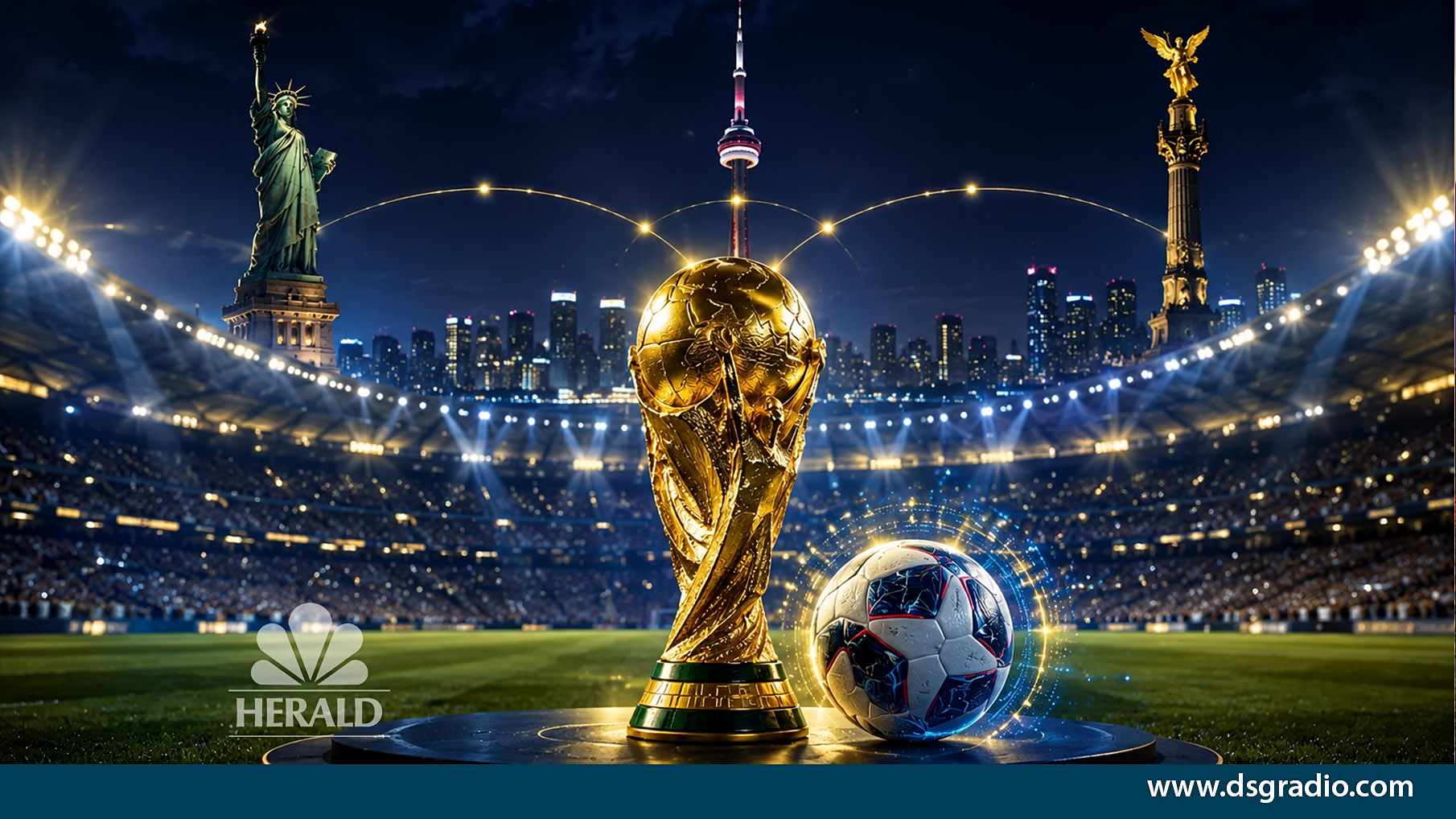
2026 FIFA World Cup Delivers Records, Milestones and Major Upsets Across North America
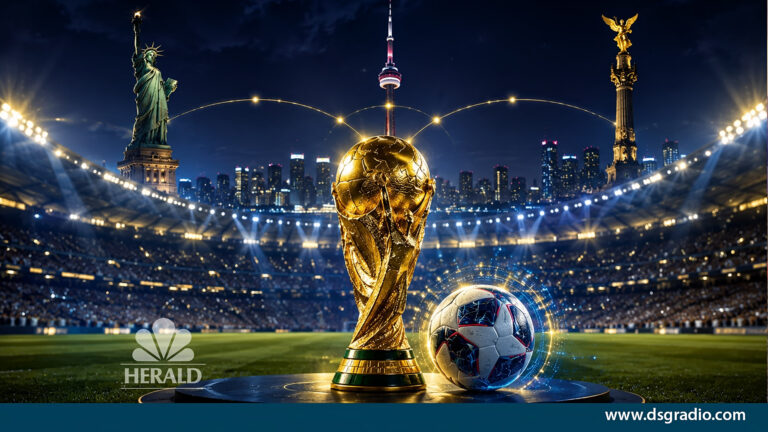
The 2026 FIFA World Cup is rapidly becoming one of the most memorable tournaments in football history, combining record-breaking crowds, historic individual performances and dramatic results across the United States, Canada and Mexico. As the competition enters a crucial stage, global stars including Lionel Messi, Kylian Mbappé, Erling Haaland and Harry Kane have already produced headline-grabbing moments that are reshaping the tournament’s narrative.
With packed stadiums, emerging African storylines, advanced technology influencing officiating decisions and several teams facing critical turning points, the tournament is delivering both sporting excellence and significant global attention. The developments are being closely watched not only by football fans but also by broadcasters, sponsors, governments and sports administrators worldwide.
2026 FIFA World Cup Witnesses Historic Attendance Surge
One of the defining stories of the 2026 FIFA World Cup has been unprecedented fan turnout.
Tournament organizers recorded a single-day attendance of more than 281,000 spectators across four group-stage matches, surpassing records established during the 1994 World Cup in the United States. The achievement reflects growing global interest in football and validates FIFA’s decision to expand the tournament format and host it across three nations.
The attendance figures also carry major economic significance.
Hotels, airlines, transportation providers, restaurants and tourism operators across host cities are benefiting from increased visitor spending. Industry analysts believe the tournament could generate billions of dollars in economic activity before the final whistle is blown.
For host nations, the success reinforces North America’s position as a growing football market ahead of future international sporting events.
Lionel Messi Chases History at the 2026 FIFA World Cup
Arguably the tournament’s biggest headline belongs to Argentine superstar Lionel Messi.
Messi scored a remarkable hat-trick against Algeria, taking his World Cup goal tally to 16 and drawing level with Miroslav Klose’s long-standing all-time scoring record. The achievement adds another chapter to an already legendary international career.
At 39, Messi continues to defy expectations and remains one of the most influential players on the global stage. His performance has reignited discussions about his place among football’s greatest players and whether he can finish the tournament as the outright leading scorer in World Cup history.
The milestone has generated enormous engagement across social media platforms and sports networks worldwide.
Football analysts say Messi’s ability to maintain elite-level performance deep into his career highlights advances in sports science, conditioning and athlete management.
For fans following tournament history, Messi’s pursuit of records has become one of the central storylines of the competition.
Readers interested in deeper tournament analysis can also explore 2026 FIFA World Cup stars rewriting football history at https://dsgradio.com/2026-fifa-world-cup-messi-mbappe-rewrite-history/.
Mbappe Continues France’s Quest for Glory
While Messi has captured historical attention, Kylian Mbappe continues to demonstrate why many view him as football’s next dominant global superstar.
The French forward scored twice during France’s opening victory over Senegal, providing an early statement of intent from the defending European powerhouse.
Mbappe’s combination of pace, movement and finishing ability has made him one of the most feared attackers in world football.
France entered the tournament among the favorites, and their strong start suggests they could once again challenge for the title.
The contrast between Messi’s pursuit of history and Mbappe’s pursuit of future greatness has become one of the tournament’s most compelling narratives.
England’s Statement Victory Raises Expectations
England’s campaign could hardly have started better.
Under manager Thomas Tuchel, England secured a convincing victory over Croatia in a match that revived memories of their famous 2018 World Cup semifinal encounter.
Harry Kane delivered a clinical brace while Jude Bellingham and Marcus Rashford added goals in a performance that showcased England’s attacking depth.
The result immediately strengthened England’s credentials as genuine contenders for the trophy.
Tuchel’s tactical approach has attracted significant attention, particularly his ability to blend experienced players with emerging talents.
For England supporters, the victory represents more than three points. It offers renewed hope that one of football’s most scrutinized national teams may finally be capable of ending decades of World Cup disappointment.
Haaland Announces Himself on Football’s Biggest Stage
Another major talking point has been Erling Haaland’s long-awaited World Cup debut.
Representing Norway, the prolific striker scored twice in a dominant 4-1 victory over Iraq, instantly reminding the football world why he is regarded as one of the game’s most lethal finishers.
Haaland’s arrival at the World Cup has added another elite attacking presence to a tournament already overflowing with star power.
His performances could prove crucial as Norway attempts to progress deep into the competition.
The emergence of Haaland alongside Mbappe, Bellingham and other younger stars also signals a changing of the guard in international football.
African Teams Produce Headlines and Surprises
African nations continue to make their presence felt at the tournament.
The Democratic Republic of Congo earned one of the competition’s most notable results by holding Portugal to a 1-1 draw. According to ESPN’s tournament coverage, Yoane Wissa scored a dramatic equalizer shortly before halftime, frustrating Cristiano Ronaldo’s side and boosting confidence within the Congolese camp.
The result highlighted the increasing competitiveness of African football on the global stage.
Ghana also secured a dramatic victory over Panama thanks to a late winner, overcoming pre-match disruptions that saw Thomas Partey unable to enter Canada for the fixture.
The Black Stars demonstrated resilience and determination, qualities that could prove essential as the group stage progresses.
For African supporters, these performances reinforce growing optimism that the continent’s representatives can challenge traditional football powers.
Tunisia Makes Major Coaching Change
Tunisia became the first team to make a major managerial decision during the tournament.
Following a heavy 5-1 defeat to Sweden, Tunisian officials dismissed head coach Sabri Lamouchi and appointed experienced French manager Hervé Renard.
Renard is widely respected for his success with African national teams and his ability to quickly organize squads under pressure.
The decision reflects the high stakes associated with World Cup participation and the willingness of national federations to act swiftly when expectations are not met.
Whether the coaching change can revive Tunisia’s campaign remains one of the tournament’s developing stories.
Technology Takes Center Stage at the 2026 FIFA World Cup
Beyond the action on the pitch, technology is playing a greater role than ever before.
The Adidas “Trionda” Connected Ball system is being used throughout the tournament to provide real-time data to match officials and VAR operators.
Sensors embedded within the ball record every touch and transmit information instantly, helping officials make more accurate decisions regarding offsides, contact incidents and other key moments.
Supporters of the technology argue it enhances fairness and reduces human error.
Critics, however, continue to debate whether increasing technological involvement risks reducing the spontaneity and emotion traditionally associated with football.
Regardless of opinion, connected-ball technology is likely to influence future competitions and may become a permanent feature of elite football.
Portugal Faces Questions as Manager Prepares Exit
Portugal’s campaign has taken on added significance following reports that manager Roberto Martinez intends to step down after the tournament.
The announcement creates uncertainty around the future direction of the national team.
While Portugal remains a talented squad featuring Cristiano Ronaldo and several emerging stars, leadership transitions often bring challenges.
The draw against DR Congo has increased pressure ahead of upcoming matches, with supporters expecting stronger performances as the tournament advances.
Neymar Recovery Offers Hope for Brazil
Brazil also remains in the spotlight due to concerns surrounding Neymar’s fitness.
The Brazilian star has returned to light physical training and ball work, offering encouragement to supporters. However, questions remain about his readiness for upcoming fixtures.
Brazil’s chances of lifting the trophy could be significantly influenced by Neymar’s recovery timeline.
Team officials continue to monitor his condition carefully as the group stage unfolds.
Why This Tournament Matters Beyond Football
The 2026 FIFA World Cup is proving to be more than a sporting spectacle.
The competition is driving tourism, showcasing technological innovation, strengthening international cultural exchanges and generating massive digital engagement across continents.
For African audiences, including millions of football fans in Nigeria, the tournament offers opportunities to see African teams compete against the world’s best while also highlighting the growing influence of African talent in global football.
The event is also providing valuable lessons for future host nations regarding infrastructure, crowd management, broadcasting and sports commercialization.
As reported by major international sports outlets including Sky Sports and ESPN, the tournament continues to deliver both on-field excitement and broader global significance.
Outlook: More Records Could Fall
With many matches still to be played, the tournament remains wide open.
Messi could become the outright World Cup scoring leader. Mbappe may strengthen his reputation as football’s next global icon. England hopes to transform early promise into sustained success. African teams continue to push for historic achievements, while technological innovations are reshaping how the game is officiated.
What is already clear is that the 2026 FIFA World Cup has established itself as a tournament defined by record crowds, unforgettable performances and a rapidly evolving football landscape.
For fans around the world, the biggest stories may still be ahead.
Recommended Coverage
UK Launches Bid to Host 2035 FIFA Women’s World Cup
https://dsgradio.com/uk-announces-bid-to-host-2035-fifa-womens-world-cup/
How the United Kingdom plans to bring the Women’s World Cup back to Europe and the challenges ahead.
Libya Selected for 2025 African Minifootball Cup
https://dsgradio.com/2025-african-minifootball-cup-to-be-held-in-libya/
African football development continues to expand through major continental competitions.
Halle Berry Speaks on Perimenopause Awareness
https://dsgradio.com/halle-berry-opens-up-about-perimenopause-struggles/
The Hollywood star discusses health awareness and the importance of women’s wellness conversations.
About the Author