US-Iran “Hell” Threat Strait of Hormuz Crisis Escalates
Lead Paragraph
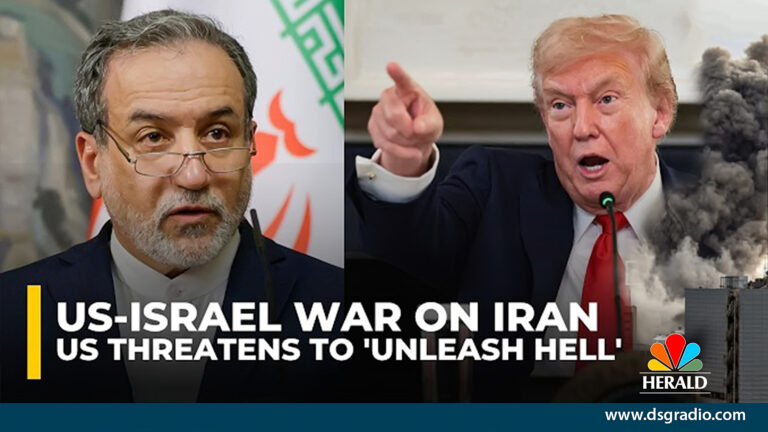
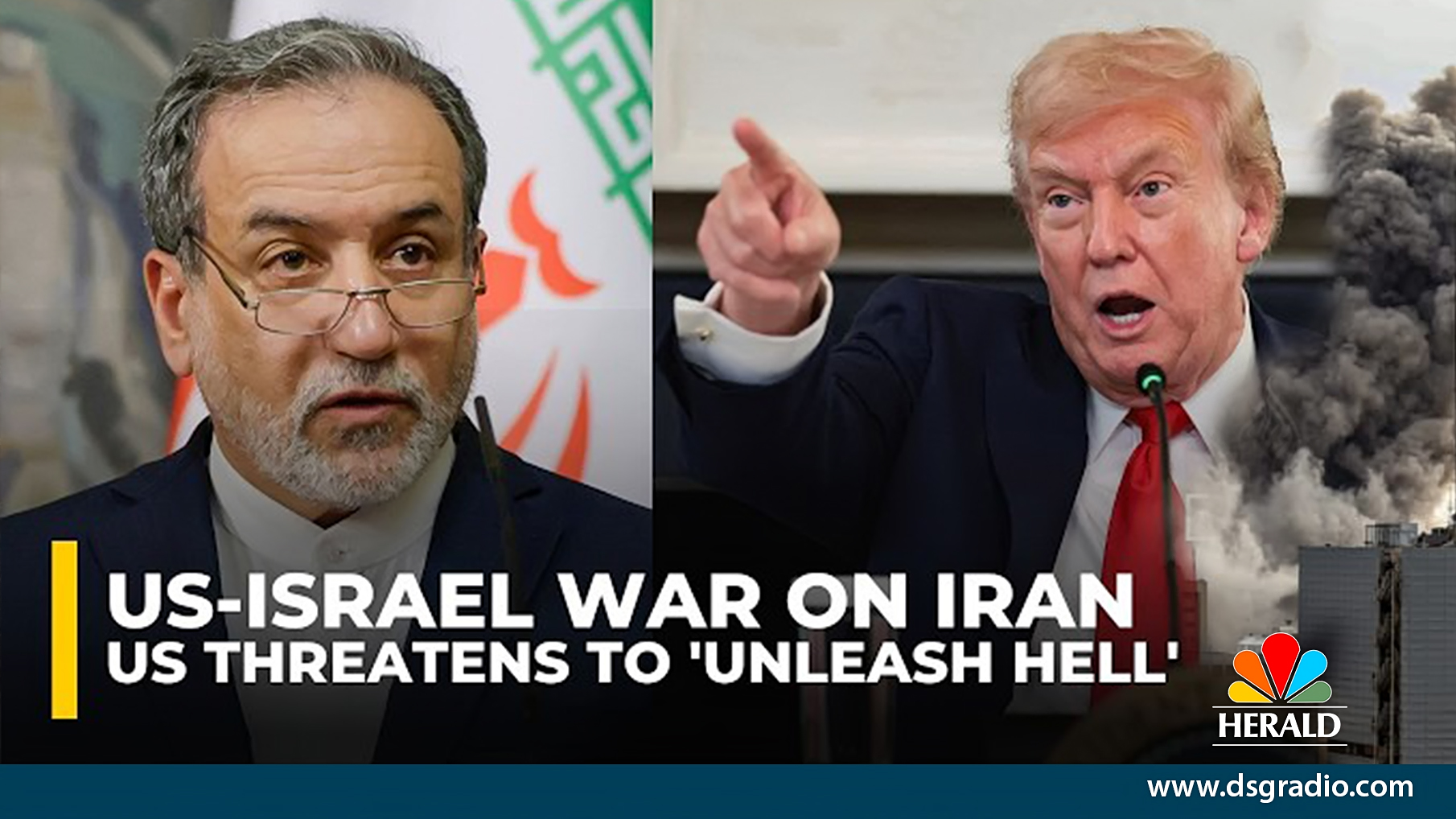
The US-Iran “hell” threat Strait of Hormuz crisis intensified on Saturday, 4 April 2026, as United States President Donald Trump warned that “all hell would rain down” on Iran if it failed to reopen the Strait of Hormuz within 48 hours. Iranian officials responded with similar rhetoric, warning the entire region could turn into “hell,” as the ongoing conflict continues to disrupt global energy supply and heighten geopolitical tensions.
US-Iran “Hell” Threat Strait of Hormuz: Trump Issues 48-Hour Ultimatum
According to the report, President Donald Trump issued a direct warning to Iran, stating that failure to:
- Reopen the Strait of Hormuz
- Or reach a negotiated deal.
would result in severe consequences.
“All hell will rain down,” Trump said, reiterating his position after previously announcing a 10-day pause on attacks targeting Iranian energy infrastructure to allow diplomatic negotiations.
The ultimatum marks a shift back toward escalation after a brief window for dialogue.
US-Iran “Hell” Threat Strait of Hormuz: Iran Warns Region Will Turn Into “Hell”
Iran responded with equally strong warnings.
Ebrahim Zolfaghari, spokesperson for the Khatam al-Anbiya Central Headquarters, stated:
“If hostility escalates, the entire region will turn into hell for you.”
An Iranian military spokesman also warned that continued US and Israeli actions could destabilise the region entirely.
Officials emphasised that:
- Escalation could spread beyond Iran.
- Regional allies may become involved.
- The conflict could intensify rapidly.
US-Iran “Hell” Threat Strait of Hormuz: Why the Waterway Is Critical
The US-Iran “hell” threat Centres on one of the world’s most strategic maritime routes.
Key Facts About the Strait
- Handles approximately 20% of the global oil and gas supply
- Connects the Persian Gulf to international markets
- Essential for exports from Gulf economies
Since the conflict escalated, the Strait has been effectively restricted, disrupting normal global trade flows.
US-Iran “Hell” Threat Strait of Hormuz: Oil Prices Surge Above $100
The economic impact of the crisis has been immediate.
- Brent crude surged from $73 (£55)
- Prices climbed to well above $100 per barrel.
According to the report, the increase reflects fears of prolonged disruption to global supply chains.
This surge has:
- Increased fuel costs globally
- Added inflationary pressure
- Triggered market uncertainty
US-Iran “Hell” Threat Strait of Hormuz: Military Escalation Expands
The US-Iran “hell” threat Strait of Hormuz crisis is unfolding alongside active military operations.
According to the report:
- Iran fired missiles toward the Gulf States, Iraq, and Israel.
- Several were intercepted, with debris causing damage.
- US and Israeli forces continued the bombardment of Iranian military and industrial sites.
Details regarding casualties and exact locations of impact were not specified in the original report.
US-Iran “Hell” Threat Strait of Hormuz: Shipping Disruptions Intensify
The Strait of Hormuz has become increasingly unstable.
- A French-owned carrier became the first Western European vessel to transit the route since the conflict escalated.
- Iran stated that “non-hostile vessels” may pass.
- However, multiple ships have reportedly been attacked.
As a result:
- Normal shipping activity has slowed significantly.
- Insurance and transport costs have increased.
- Global trade routes face uncertainty.
US-Iran “Hell” Threat Strait of Hormuz: Global Economic Impact
The crisis is affecting economies worldwide.
Economic Consequences
- Rising oil and fuel prices
- Increased cost of goods and transportation
- Pressure on developing economies
Energy Security Concerns
- Supply chain instability
- Dependence on Middle East exports
- Risk of prolonged disruptions
Conclusion
The US-Iran “hell” threat Strait of Hormuz crisis has entered a dangerous phase defined by escalating rhetoric, military confrontation, and economic disruption. With both sides issuing direct warnings and refusing to back down, the situation poses significant risks to global stability.
Details remain unclear regarding the next phase of diplomatic engagement or potential de-escalation.
About the Author