US Iran Ceasefire 2026: Two-Week Truce Reached Amid Global Tensions
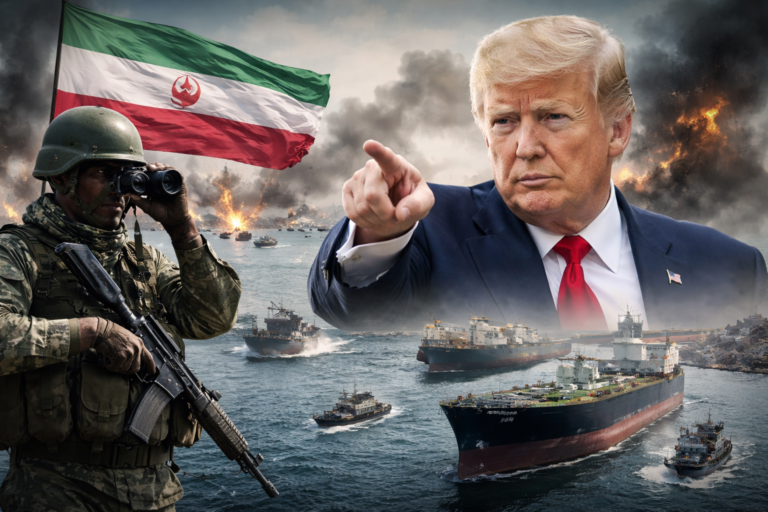
WASHINGTON / TEHRAN / ISLAMABAD — April 2026: The US Iran ceasefire 2026 was agreed late Tuesday night between the United States and Iran, just under an hour before a deadline set by US President Donald Trump for Tehran to comply with American demands. The agreement introduces a two-week truce, conditional on the immediate reopening of the Strait of Hormuz, a critical global oil shipping route.
The ceasefire marks a temporary pause in escalating hostilities that have drawn in Israel, Gulf Arab states, and Iran-backed groups, with widespread casualties and economic disruption across the region.
Trump Pulls Back on Threatened Strikes
President Donald Trump had earlier warned of catastrophic consequences, stating that a “whole civilisation will die” if Iran failed to reach an agreement. However, he later reversed course, announcing a suspension of planned attacks.
In a statement posted on Truth Social, Trump said:
- The US would suspend bombing and attacks on Iran for two weeks
- The pause depends on Iran ensuring the “complete, immediate, and safe opening” of the Strait of Hormuz
The proposed targets reportedly included bridges and power plants, which are considered civilian infrastructure under international law.
Iran Accepts Ceasefire, Confirms Talks in Pakistan
Iran’s Supreme National Security Council confirmed acceptance of the truce and announced that negotiations with the United States would begin in Islamabad, Pakistan, on Friday.
Iranian Foreign Minister Abbas Araghchi stated that:
- Passage through the Strait of Hormuz would resume
- The waterway would remain under Iranian military management
However, details remain unclear on whether Iran will fully ease restrictions on global shipping through the strait.
Strait of Hormuz Central to Agreement
The Strait of Hormuz, through which a significant portion of the world’s oil supply passes, has been at the center of the conflict.
Under the ceasefire terms:
- Iran and Oman may charge shipping fees for vessels passing through the strait
- Iran intends to use the revenue for post-war reconstruction, according to a regional official
This provision introduces a new economic dimension to the agreement, potentially reshaping global shipping costs and oil markets.
For broader context on the crisis, see DSG Herald’s earlier report on the Strait of Hormuz tensions and US-Iran conflict escalation.
Israel, Hezbollah, and Regional Spillover
The ceasefire extends beyond US-Iran relations but remains complex:
- Israeli Prime Minister Benjamin Netanyahu confirmed Israel agreed to the truce
- However, the agreement does not fully include Lebanon, according to Israeli officials
- A separate understanding reportedly calls for Israel and Hezbollah to halt fighting
Casualty figures highlight the scale of the conflict:
- Iran: Over 1,900 deaths (official updates have stalled)
- Lebanon: More than 1,500 killed; over 1 million displaced
- Israel: 23 deaths reported
- US forces: 13 service members killed
- Gulf region and West Bank: More than two dozen fatalities
Confusion Over Nuclear Terms
A key point of contention remains Iran’s nuclear programme.
- Iran’s Farsi version of the ceasefire plan includes “acceptance of enrichment”
- This phrase was absent in English versions shared with international media
President Trump initially described Iran’s proposal as “workable” but later called it fraudulent, without providing details.
The US has maintained that ending Iran’s nuclear programme remains a core objective of the conflict.
Economic Impact: Oil Prices Plunge
The announcement of the US Iran ceasefire 2026 had an immediate global economic effect:
- Oil prices dropped by over 17%
- Stock markets surged in early Asian trading
The sharp decline in fuel prices follows weeks of increases that had placed political pressure on the US administration domestically.
Ongoing Violence Despite Agreement
Despite the ceasefire announcement, attacks continued early Wednesday across:
- Israel
- Iran
- Gulf region
Neither side confirmed the exact start time of the ceasefire, raising concerns about enforcement and coordination.
What the US and Iran Want
Iran’s Key Demands:
- Withdrawal of US combat forces from the region
- Lifting of economic sanctions
- Release of frozen assets
- Continued control over the Strait of Hormuz
US Position:
- Full halt to Iran’s nuclear programme
- Regional de-escalation
- Protection of global shipping routes
Conclusion: Fragile Peace With Global Stakes
The US Iran ceasefire 2026 represents a critical pause in a rapidly escalating conflict with global implications. While the agreement offers temporary relief to international markets and war-affected populations, key uncertainties remain:
- Enforcement of the truce
- Nuclear programme negotiations
- Regional stability involving Israel and Hezbollah
The coming days — particularly the Islamabad negotiations — will determine whether this ceasefire evolves into a lasting diplomatic breakthrough or collapses under unresolved tensions.
About the Author