Trump Fires Pam Bondi as US Attorney General Amid DOJ Crisis
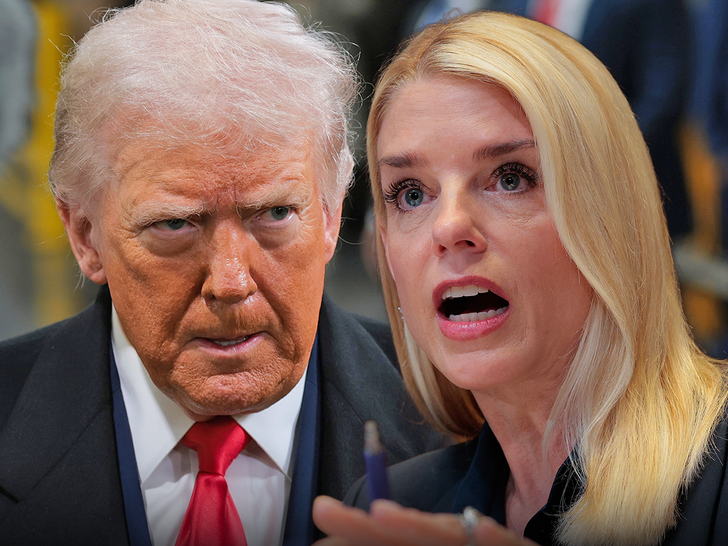
Trump fires Pam Bondi as United States Attorney General in a dramatic political decision that has sent shockwaves through Washington, marking a major shift in the leadership of the Department of Justice (DOJ). The move, confirmed on April 2, 2026, follows mounting controversies surrounding high-profile investigations, including the handling of Jeffrey Epstein-related files, as well as internal disagreements within the administration.
Trump fires Pam Bondi amid heightened political tension in the United States, with critics and analysts warning that the decision could reshape the independence and direction of federal law enforcement.
Background to the Decision
Trump fires Pam Bondi after weeks of speculation about her future in the administration. Reports indicated growing dissatisfaction among President Donald Trump with Bondi’s performance, particularly in handling politically sensitive cases.
Pam Bondi, a former Florida Attorney General, had been appointed to lead the DOJ with expectations of strong alignment with the administration’s legal and political agenda. However, Trump fires Pam Bondi amid claims that she failed to meet expectations in prosecuting key cases and managing internal DOJ dynamics.
Sources close to the administration suggested that tensions escalated over delays in pursuing investigations involving political opponents and disagreements over prosecutorial priorities.
Epstein Files Controversy
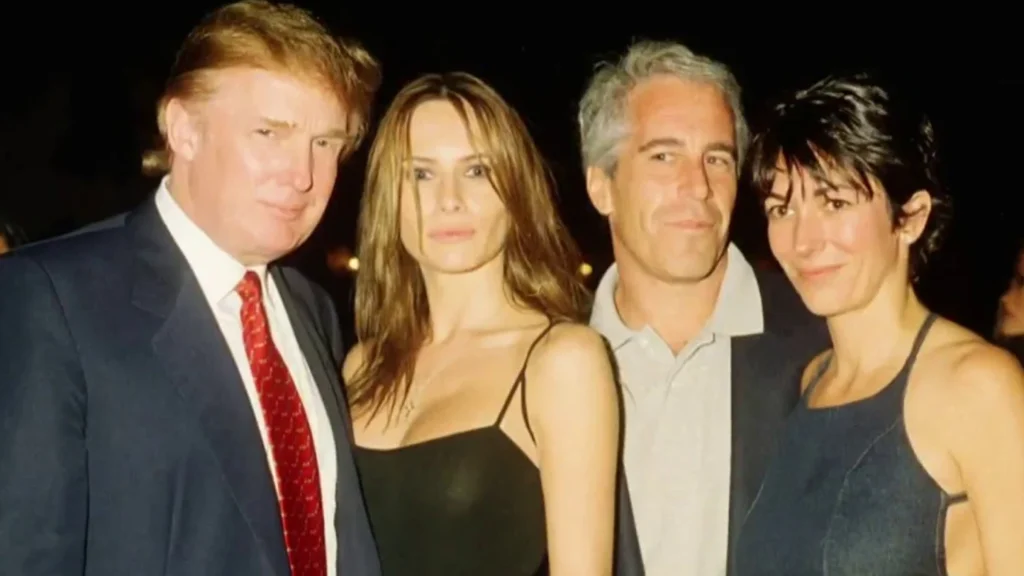
A major factor behind the decision, as Trump fires Pam Bondi, appears to be the controversy surrounding the handling of Jeffrey Epstein-related documents.
Critics accused the DOJ under Bondi of:
- Mishandling sensitive case files
- Potentially exposing the identities of victims
- Failing to ensure transparency and accountability
As Trump fires Pam Bondi, bipartisan criticism intensified in Congress, with lawmakers demanding clarity on how the DOJ managed one of the most high-profile criminal investigations in recent history.
Legal analysts argue that the Epstein controversy significantly damaged public trust in the Justice Department, placing Bondi under intense scrutiny.
Internal Pressure and Political Dynamics
Trump fires Pam Bondi, also amid increasing internal pressure within the administration. Reports indicate that President Trump had become frustrated with what he viewed as a lack of aggressive legal action in politically charged cases.
Key concerns reportedly included:
- Slow progress in prosecuting political adversaries
- Internal divisions within the DOJ
- Legal challenges and lawsuits involving federal agencies
As Trump fires Pam Bondi, the decision reflects broader political calculations, with the administration seeking stronger control over legal strategies ahead of critical national developments.
Immediate Aftermath and Replacement
Following the announcement that Trump fired Pam Bondi, Deputy Attorney General Todd Blanche has been appointed as Acting Attorney General.
Officials stated that the transition would ensure continuity in ongoing investigations, but Trump fired Pam Bondi at a moment when several high-profile cases remain unresolved.
Bondi is expected to transition into the private sector, though details about her next role remain unclear.
The DOJ now faces the challenge of stabilising its leadership and maintaining operational effectiveness amid heightened scrutiny.
Implications for the Justice Department
The decision as Trump fires Pam Bondi raises significant questions about the independence of the Justice Department.
Legal experts warn that:
- Political interference could undermine prosecutorial integrity.
- Ongoing investigations may face credibility challenges.
- Public confidence in federal law enforcement could decline.
As Trump fires Pam Bondi, the leadership change may influence how future cases are handled, particularly those involving political figures and sensitive national issues.
Reactions from Political and Legal Circles
Reactions to the development of Trump firing Pam Bondi have been swift and divided.
- Supporters argue the move was necessary to restore effectiveness and accountability within the DOJ.
- Critics claim it reflects the increasing politicisation of the justice system.
Several lawmakers have called for oversight hearings, emphasising the need to protect institutional independence.
As Trump fires Pam Bondi, international observers are also monitoring the situation, given its potential implications for democratic governance and the rule of law in the United States.
Broader Political Context
The moment Trump fires Pam Bondi comes amid broader restructuring within the administration, with multiple leadership changes reported across key institutions.
Analysts suggest that the decision aligns with efforts to consolidate authority and realign policy priorities.
As Trump fires Pam Bondi, the development could have ripple effects on:
- Upcoming political strategies
- Legal battles involving federal agencies
- Public perception of governance
What Comes Next
Looking ahead, the impact of Trump’s decision to fire Pam Bondi will depend on how the administration manages the transition and addresses ongoing controversies.
Key areas to watch include:
- Appointment of a permanent Attorney General
- Handling of Epstein-related investigations
- Congressional oversight actions
- Public response and legal challenges
As Trump fires Pam Bondi, the coming weeks are expected to be critical in determining the long-term implications of this leadership change.
Conclusion
Trump fires Pam Bondi in a move that underscores the intersection of law, politics, and public accountability in the United States. The decision marks a turning point for the Department of Justice, raising important questions about governance, transparency, and institutional independence.
As the situation continues to unfold, Trump’s firing of Pam Bondi remains a defining moment in the current political landscape, with lasting consequences for the U.S. justice system and beyond.
About the Author