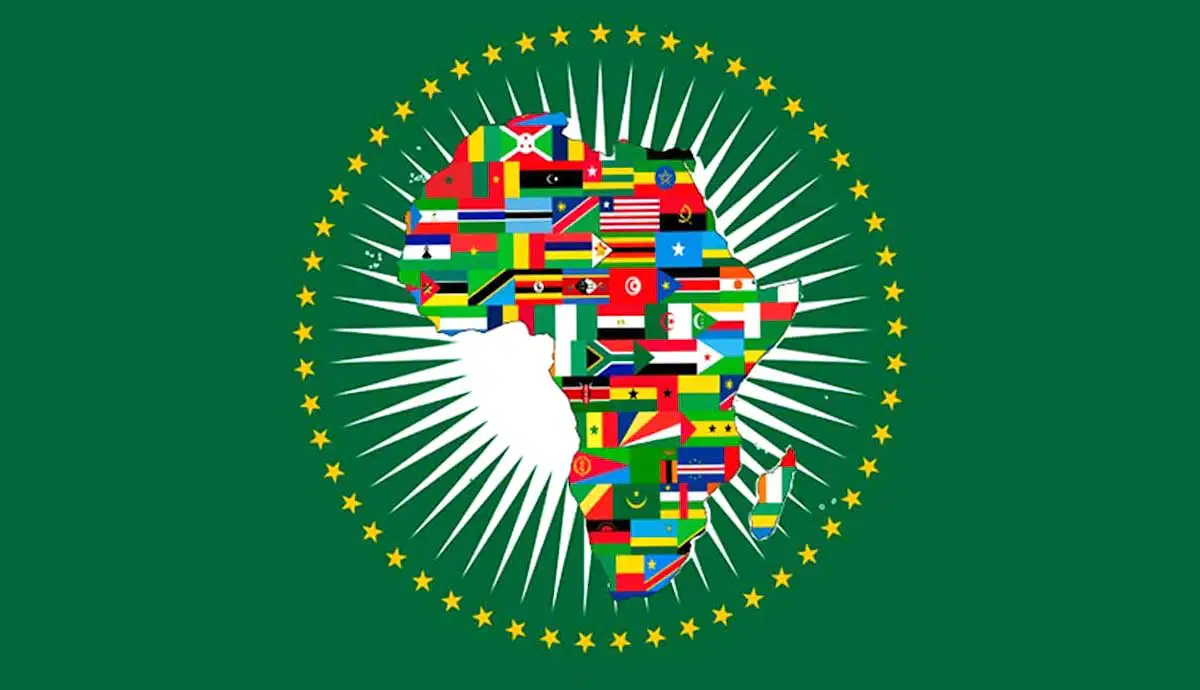
Introduction: The Future of African Unity at a Generational Crossroads
The Future of African Unity stands at a defining moment. The African continent is young, restless, and ambitious. Meanwhile, the African Union (AU) promotes long-term frameworks, such as Agenda 2063, to guide integration and development.
Yet many young Africans ask a pressing question: Why does continental unity still feel distant?
The Future of African Unity now depends on whether AU aspirations align with youth expectations. The debate is not about symbolism. It is about speed, inclusion, and credibility.
Historical Context: The Future of African Unity Since the OAU Era
To understand The Future of African Unity, we must revisit its origins. The dream began with the Organization of African Unity (OAU) in 1963. Its mission focused on ending colonial rule and promoting sovereignty.
In 2002, the OAU transitioned into the African Union. The AU adopted stronger mandates in peacekeeping, governance, and economic integration. It created institutions such as:
- The Peace and Security Council
- The African Court on Human and Peoples’ Rights
- The Pan-African Parliament
The Future of African Unity evolved from liberation politics to institutional consolidation. Agenda 2063 later outlined a 50-year blueprint for prosperity, integration, and global influence.
However, implementation has often lagged behind ambition.
Peace and Security: The Future of African Unity and Stability
The Future of African Unity depends heavily on peace and security. The AU has deployed missions to conflict zones such as Somalia and the Sahel. It promotes the principle of “African solutions to African problems.”
The Peace and Security architecture aims to:
- Prevent unconstitutional changes of government.
- Strengthen early warning systems.
- Support post-conflict reconstruction
Yet coups and instability persist in parts of West and Central Africa. Critics argue that enforcement lacks consistency. Youth activists increasingly question whether declarations translate into action.
The Future of African Unity will require stronger accountability mechanisms, not just summit communiqués.
Youth Expectations: The Future of African Unity Through a Demographic Lens
Africa’s median age is under 20. This reality reshapes The Future of African Unity. Young Africans prioritize jobs, digital access, free movement, and accountable leadership.
In interviews with student leaders in Lagos, Nairobi, and Accra, a common theme emerged: continental unity must feel practical.
One youth advocate stated, “We don’t just want speeches about Agenda 2063. We want opportunities that cross borders.”
Young entrepreneurs support initiatives like the African Continental Free Trade Area (AfCFTA). They see integration as an economic tool, not just a political slogan.
Thus, The Future of African Unity hinges on tangible results that impact daily life.
Agenda 2063: The Future of African Unity and Policy Ambition
The Future of African Unity finds its most detailed expression in Agenda 2063. The framework outlines seven aspirations, including:
- A prosperous Africa based on inclusive growth
- An integrated continent with seamless borders
- Good governance and human rights
- A strong cultural identity
Policy experts note progress in infrastructure planning and trade agreements. However, implementation gaps remain wide. Funding constraints and political fragmentation slow momentum.
For many observers, The Future of African Unity requires better monitoring and greater citizen engagement to turn Agenda 2063 into reality.
Global and Local Perspectives: The Future of African Unity in a Changing World
The Future of African Unity unfolds in a shifting global order. Major powers compete for influence in Africa. Climate change pressures economies. Global supply chains evolve.
Locally, African states pursue national interests that sometimes conflict with continental priorities. Border restrictions during crises expose fragility in integration.
Yet globally, regional blocs like the European Union show that unity evolves through negotiation and reform. African youth increasingly compare the AU’s pace to other regions.
The Future of African Unity must balance sovereignty with deeper integration in a competitive world.
Challenges and Opportunities: The Future of African Unity in Reform
The Future of African Unity faces serious challenges:
- Limited financial independence of the AU
- Political resistance to supranational authority
- Weak enforcement of democratic norms
- Youth exclusion from decision-making
However, opportunities exist:
- Digital platforms enable youth engagement.
- AfCFTA expands intra-African trade.
- Civic activism pushes transparency.
Experts project that reforming AU financing and increasing youth representation in continental bodies could accelerate progress.
Ultimately, The Future of African Unity depends on political courage and generational partnership.
Future Outlook: The Future of African Unity Beyond 2026
Looking ahead, The Future of African Unity will likely intensify around institutional reform. Youth movements demand direct representation at AU summits. Civil society groups call for measurable benchmarks under Agenda 2063.
If reforms deepen, Africa could emerge more integrated and resilient by 2035. If momentum stalls, skepticism may grow.
The Future of African Unity will not collapse overnight. But it will either gain legitimacy through reform or lose relevance among younger generations.
Conclusion: The Future of African Unity Requires Alignment
The Future of African Unity rests on alignment between vision and lived reality. The AU has built institutions and articulated long-term goals. Yet youth demand speed, accountability, and inclusion.
Bridging this gap requires:
- Stronger democratic enforcement
- Youth representation in policy processes
- Transparent implementation of Agenda 2063
The Future of African Unity ultimately belongs to the generation that will inherit 2063. The question is simple but profound: Will today’s leaders empower them to shape it?
About the Author