Senegal Anti-LGBT Law Doubles Penalties, Sparks Rights Debate
DAKAR, Senegal — Senegal’s anti-LGBT law has been significantly tightened after President Bassirou Diomaye Faye signed new legislation increasing penalties for same-sex relations, raising prison terms to 10 years and fines to 10 million CFA francs, while eliminating the possibility of sentence reductions.
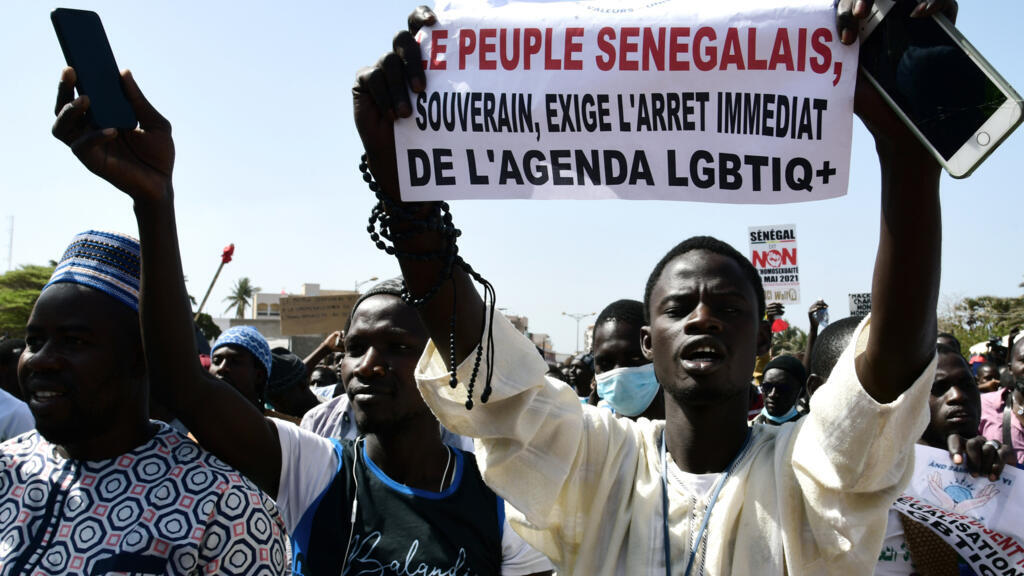
The Senegal anti-LGBT law, signed into effect this week, marks one of the most stringent legal measures against same-sex relations in the country’s history. Authorities say the move reflects national values and legal consistency, while rights groups warn it signals a broader crackdown across parts of Africa.
Legal Changes Under the Senegal Anti-LGBT Law
The updated Senegal anti-LGBT law introduces harsher punishments and stricter enforcement measures.
Key provisions include:
- Prison sentences increased from previous limits to up to 10 years
- Financial penalties raised to 10 million CFA francs
- Removal of sentence reduction options, limiting judicial discretion
- Expanded enforcement guidelines for authorities
Government officials backing the Senegal anti-LGBT law argue the reforms align with Senegal’s legal and cultural framework. They maintain that the legislation reinforces existing norms rather than introducing entirely new restrictions.
Government Position and Justification
Supporters of the Senegal anti-LGBT law within government circles emphasize sovereignty and societal values.
President Bassirou Diomaye Faye, who assumed office amid broader reform expectations, has not publicly detailed the full policy rationale. However, officials close to the administration suggest the Senegal anti-LGBT law reflects:
- Legal continuity with existing statutes
- Public sentiment in conservative communities
- Efforts to reinforce moral and social order
Analysts note that Senegal’s anti-LGBT law enforcement has historically been strict, but the new amendments significantly increase the legal risks faced by individuals.
Rights Groups Raise Concerns
Human rights organisations have reacted strongly to the Senegal anti-LGBT law, warning of its implications for civil liberties.
International and regional advocacy groups argue that:
- The Senegal anti-LGBT law could lead to increased arrests and prosecutions
- It may limit access to legal protections for affected individuals
- It could contribute to social stigma and discrimination
Several rights groups say the Senegal anti-LGBT law reflects a wider trend of tightening restrictions across parts of Africa, where similar laws have been introduced or expanded in recent years.
They also warn that eliminating sentence reductions removes safeguards that previously allowed courts to consider mitigating circumstances.
Regional Context: A Growing Trend
The Senegal anti-LGBT law comes amid a broader pattern of legislative changes across Africa.
In recent years:
- Several countries have introduced or strengthened anti-LGBT legislation
- Governments have framed such laws as reflections of cultural identity and sovereignty
- Rights advocates have raised concerns about human rights compliance
The Senegal anti-LGBT law adds to this evolving landscape, reinforcing the divide between domestic policy priorities and international human rights expectations.
Legal and Social Implications
Legal experts say the Senegal anti-LGBT law could have far-reaching consequences.
Potential implications include:
- Increased pressure on the judicial system
- Greater scrutiny from international organizations
- Impact on Senegal’s global human rights standing
Domestically, the Senegal anti-LGBT law may influence public discourse, shaping debates around law, morality, and individual freedoms.
International Reaction and Diplomatic Outlook
The Senegal anti-LGBT law is expected to draw reactions from global institutions and foreign governments.
While no major diplomatic responses have been formally announced, analysts anticipate:
- Statements from human rights organizations
- Possible engagement from international partners
- Increased attention in global policy discussions
The Senegal anti-LGBT law could also affect Senegal’s positioning in international forums where human rights compliance is a key consideration.
Balancing Sovereignty and Rights
The debate surrounding the Senegal anti-LGBT law highlights a recurring global tension between national sovereignty and universal human rights principles.
Supporters argue that:
- Countries have the right to define their own legal systems
- Laws should reflect cultural and societal values
Critics counter that:
- The Senegal anti-LGBT law may conflict with international human rights standards
- Legal protections should apply universally, regardless of geography
This tension continues to shape policy discussions across multiple regions.
Conclusion
The Senegal anti-LGBT law represents a significant shift in the country’s legal framework, introducing harsher penalties and stricter enforcement measures.
As President Bassirou Diomaye Faye’s administration moves forward with the policy, the Senegal anti-LGBT law is likely to remain a focal point of national and international debate.
Its long-term impact will depend on enforcement, public response, and the evolving balance between domestic priorities and global human rights expectations.
About the Author