Ohanaeze Igbo king South Africa controversy deepens over legitimacy concerns.
The Ohanaeze Igbo king South Africa controversy has escalated after Ohanaeze Ndigbo, the apex Igbo socio-cultural organization, publicly rejected reports of an “Igbo king” being installed in South Africa. The group, speaking from its headquarters in Enugu, stated that no recognised Igbo traditional authority approved such a coronation, raising questions about legitimacy, representation, and diaspora leadership structures.
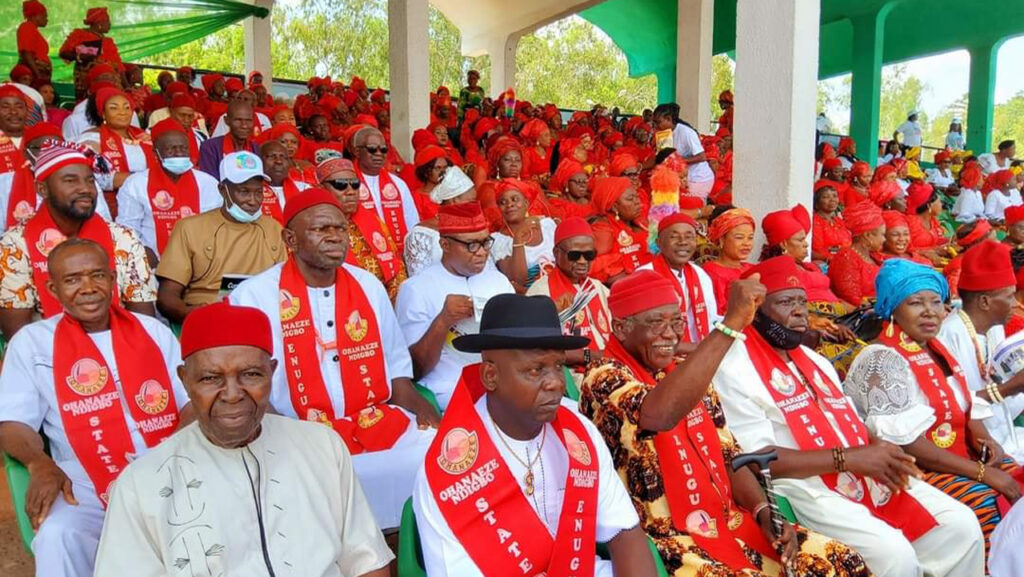
## Ohanaeze Igbo king South Africa rejection: Official position from Enugu
The Ohanaeze Igbo king South Africa issue came into national and diaspora focus following reports that an individual had been crowned as a traditional ruler representing Igbo people in South Africa. In response, Ohanaeze Ndigbo clarified that traditional leadership within Igbo culture follows established customs and lineage systems rooted in communities across South-East Nigeria.
Ohanaeze officials emphasized that:
- No recognized Igbo traditional council sanctioned the coronation
- Igbo kingship titles are community-based and not arbitrarily transferable abroad
- Diaspora communities cannot independently establish monarchs without cultural validation
The organization warned that such actions could misrepresent Igbo heritage globally.
## Ohanaeze Igbo king South Africa: Cultural and Traditional Implications
The Ohanaeze Igbo king South Africa controversy highlights deeper concerns about how cultural authority is defined and maintained outside Nigeria. Traditionally, Igbo leadership structures are decentralized, with each community recognizing its own ruler, often referred to as “Eze.”
Experts note that:
- Igbo kings derive legitimacy from ancestral lineage and community consent
- Titles are not symbolic positions but deeply tied to land, history, and tradition
- Diaspora adaptations must align with established cultural norms
Cultural analysts argue that attempts to replicate traditional institutions abroad without proper backing risk distorting Igbo identity.
## Ohanaeze Igbo king South Africa: Diaspora leadership tensions emerge
The Ohanaeze Igbo king South Africa situation also reflects ongoing tensions within Igbo diaspora communities. With millions of Igbo people living abroad, informal leadership structures often emerge to coordinate community activities, welfare, and representation.
However, the current controversy exposes key challenges:
- Who has authority to speak for Igbo people outside Nigeria
- The balance between cultural preservation and adaptation
- Risks of fragmentation within diaspora communities
Observers say the absence of a unified diaspora governance framework contributes to such disputes.
## Ohanaeze Igbo king South Africa: Political and social reactions
The Ohanaeze Igbo king South Africa rejection has generated mixed reactions among stakeholders. While some diaspora members support the move as necessary to protect cultural integrity, others argue it reflects a disconnect between homeland authorities and overseas communities.
Key reactions include:
- Calls for clearer guidelines on diaspora leadership structures
- Concerns about the potential exploitation of cultural titles
- Appeals for dialogue between Ohanaeze and diaspora groups
Social media discussions have also amplified the debate, with users questioning the legitimacy of self-appointed traditional titles.
## Ohanaeze Igbo king South Africa: Broader implications for cultural governance
The Ohanaeze Igbo king South Africa controversy underscores broader issues affecting African cultural governance in a globalised world. As migration increases, traditional institutions face pressure to adapt while maintaining authenticity.
Analysts highlight several implications:
- Need for formal diaspora engagement frameworks.
- Importance of cultural education among younger generations abroad
- Risks of cultural commodification and misrepresentation
The situation also raises questions about how African traditions evolve in international contexts.
## Ohanaeze Igbo King in South Africa: Legal and Diplomatic Considerations
The case of the Ohanaeze Igbo king in South Africa may also intersect with legal and diplomatic concerns. While cultural titles are not officially recognised by foreign governments, disputes over leadership could affect community relations and public perception.
Experts note that:
- South African authorities typically recognise community leaders informally.
- Internal disputes could impact diaspora unity and influence.
- Clear representation is important for engaging with host governments.
This adds another layer of complexity to the ongoing debate.
## Ohanaeze Igbo king South Africa: Historical Context of Igbo Leadership
The Ohanaeze Igbo king debate in South Africa cannot be separated from the historical structure of Igbo society. Unlike centralised monarchies, Igbo communities traditionally operate through a republican system with strong local governance.
Key characteristics include:
- Community-based leadership selection
- Council of elders and title holders
- Strong emphasis on consensus and legitimacy
This structure makes the concept of a single overarching “Igbo king” controversial even within Nigeria.
## Ohanaeze Igbo king South Africa: What happens next?
The controversy over the Ohanaeze Igbo king in South Africa is likely to continue as stakeholders seek clarity and resolution. Ohanaeze Ndigbo may engage diaspora leaders to establish clearer guidelines on representation and cultural authority.
Possible next steps include:
- Dialogue between Ohanaeze and South Africa-based Igbo groups
- Development of official diaspora leadership frameworks
- Increased awareness campaigns on cultural traditions
Observers believe the outcome could shape how Igbo identity is preserved globally.
## Ohanaeze Igbo king South Africa: A defining moment for diaspora identity
Ultimately, the Ohanaeze Igbo king South Africa issue represents more than a dispute over a title. It reflects a critical moment in defining how culture, authority, and identity are negotiated in a rapidly globalising world.
As Igbo communities continue to expand across continents, balancing tradition with modern realities will remain a central challenge. The resolution of this controversy could set a precedent for diaspora cultural governance for years to come.
About the Author