Nigeria Debt Hits N155trn as Senate Approves $6bn Loan.
Lead Paragraph
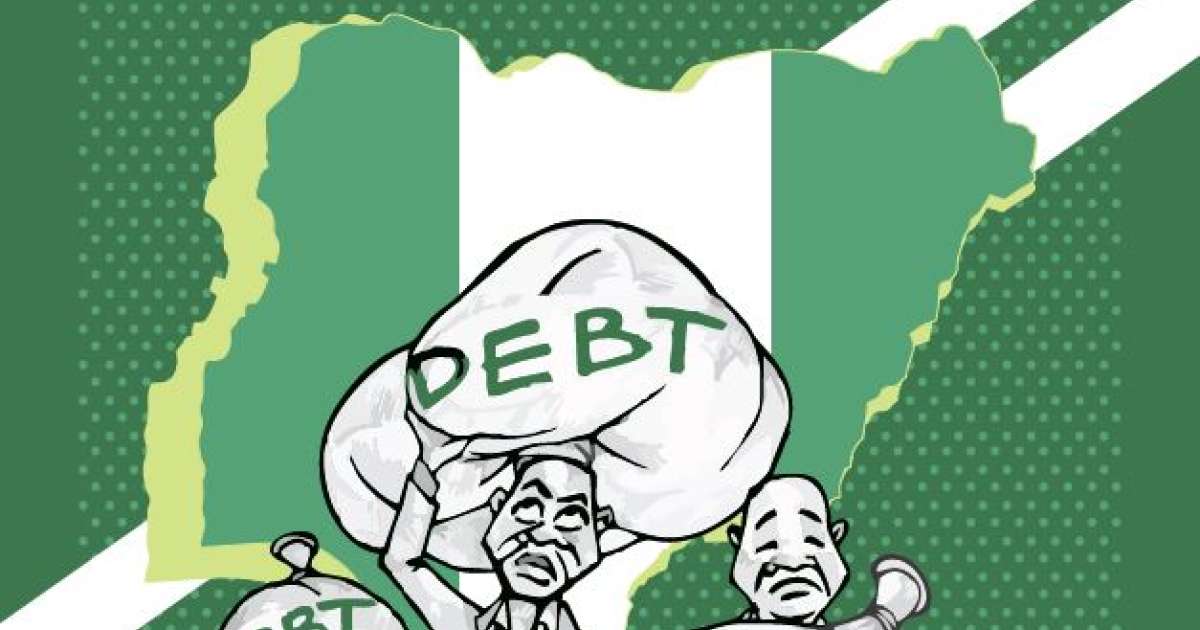
Nigeria’s debt hits N155trn following the Senate’s approval of the Federal Government’s $6 billion external loan request in Abuja. Lawmakers endorsed the borrowing plan to fund infrastructure projects and bridge budget deficits. The decision comes amid rising fiscal pressures, concerns about debt sustainability, and warnings from analysts of rising debt servicing costs in a tightening global financial environment.
Senate Backs Loan Request in Abuja
Nigeria’s debt hits N155trn after the Senate approved the Federal Government’s request during plenary sessions in Abuja. The loan forms part of the government’s broader financing strategy to support capital projects and maintain economic stability.
Senators defended the move, stating that the funds are necessary to:
- Finance critical infrastructure projects.
- Support economic growth initiatives.
- Address fiscal gaps in the national budget.
The approval reflects continued reliance on external borrowing to sustain government spending amid limited revenue generation.
Rising Debt Profile Raises Concerns
With Nigeria’s debt hitting N155trn, economic analysts and policy experts have raised concerns about the country’s growing debt burden. Nigeria’s public debt has steadily increased over the years, driven by budget deficits, declining oil revenues, and currency pressures.
Key concerns include:
- Increasing debt servicing costs
- Limited fiscal space for development
- Potential crowding out of private investment
Experts warn that Nigeria’s debt trajectory may become unsustainable if borrowing continues without corresponding revenue growth.
Debt Servicing Pressure Intensifies
As Nigeria’s debt hits N155trn, debt servicing remains one of the government’s biggest challenges. A significant portion of national revenue is already allocated to servicing existing debt obligations.
Financial analysts note that:
- Debt servicing consumes a large share of government revenue.
- Rising interest rates globally could increase borrowing costs.
- Exchange rate fluctuations may worsen external debt obligations.
These factors could further strain Nigeria’s fiscal position in the coming years.
Government Justifies Borrowing Strategy
Despite concerns, officials insist that the borrowing plan is necessary. With Nigeria’s debt hitting N155trn, government representatives argue that loans are being used strategically for infrastructure development and economic expansion.
Authorities highlight that:
- Infrastructure investment is critical for long-term growth.
- Borrowed funds are tied to specific development projects.
- Economic returns are expected to outweigh borrowing costs.
The government maintains that responsible borrowing remains a viable tool for national development.
Global Financial Environment Adds Pressure
The context in which Nigeria’s debt hits N155trn is also significant. Global financial conditions are tightening, with higher interest rates and reduced access to cheap credit.
This creates additional risks:
- External borrowing may become more expensive.
- Investor confidence may weaken.
- Emerging markets like Nigeria face increased financial vulnerability.
Analysts caution that Nigeria must navigate these global challenges carefully to avoid deeper economic strain.
Revenue Challenges Remain a Key Issue
One major concern as Nigeria’s debt hits N155trn is Nigeria’s weak revenue base. The country continues to struggle with low tax collection and heavy reliance on oil revenues.
Key revenue challenges include:
- Volatility in global oil prices
- Inefficiencies in tax collection systems
- Limited diversification of the economy
Without significant revenue reforms, experts warn that borrowing alone cannot sustain long-term fiscal stability.
Implications for the Nigerian Economy
The reality that Nigeria’s debt hits N155trn carries significant implications for the broader economy. Economists suggest that rising debt levels could:
- Limit government spending on social services.
- Increase inflationary pressures
- Affect currency stability
- Reduce economic growth prospects.
There are also concerns about how debt levels could influence Nigeria’s credit ratings and borrowing capacity in the future.
Calls for Fiscal Discipline and Reform
As Nigeria’s debt hits N155trn, stakeholders are calling for stronger fiscal discipline and structural reforms. Economists emphasise the need for:
- Improved revenue generation strategies
- Reduction in non-essential government spending
- Transparent use of borrowed funds
- Enhanced accountability in public finance management
These measures are seen as critical to ensuring that borrowing translates into tangible economic benefits.
Conclusion
The approval of the $6 billion loan marks a significant moment as Nigeria’s debt hits N155 trillion, highlighting the country’s growing dependence on borrowing to sustain its economy. While the government defends the move as necessary for development, concerns about fiscal sustainability, debt servicing, and economic stability continue to dominate public discourse.
Moving forward, Nigeria faces the challenge of balancing its development needs with prudent financial management. The effectiveness of this borrowing strategy will depend largely on how well the funds are utilised and whether structural reforms can strengthen the country’s revenue base and economic resilience.
About the Author