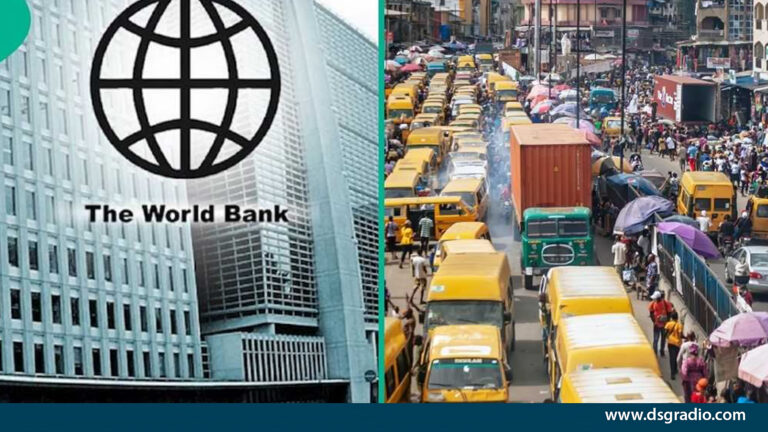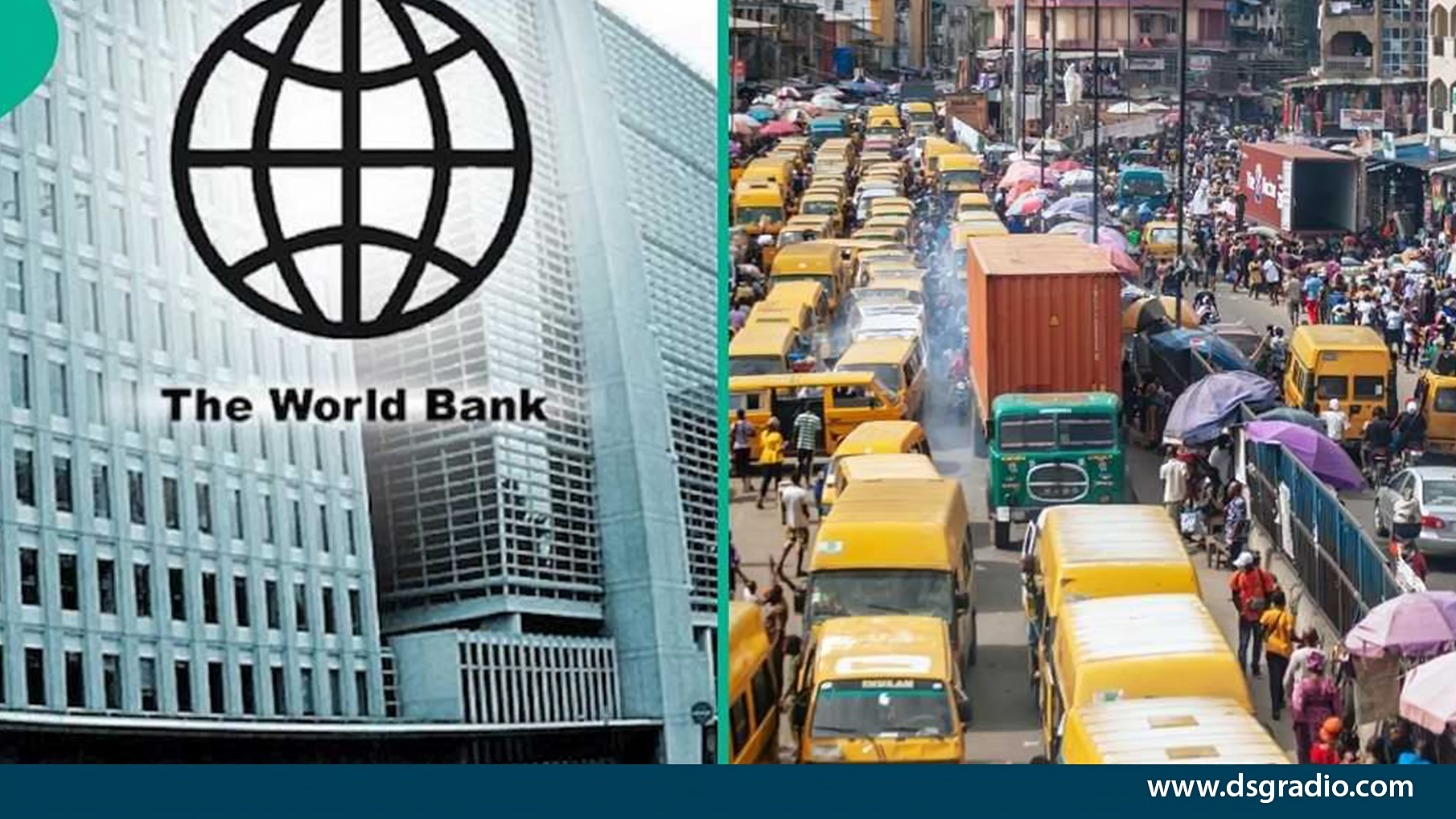
Nigeria Poverty Rate Hits 63% Despite Inflation Drop – World Bank
ABUJA, Nigeria — April 2026: Nigeria’s poverty rate hits 63 per cent. A World Bank report shows that poverty in the country rose sharply to 63% in 2025—affecting approximately 140 million Nigerians—despite a significant decline in inflation, highlighting a deep disconnect between macroeconomic improvements and household welfare.
The findings were disclosed in the World Bank’s Nigeria Development Update (April 2026) titled “Nigeria’s Tomorrow Must Start Today: The Case for Early Childhood Development,” presented in Abuja.
📊 Nigeria Poverty Rate Hits 63 Per cent World Bank: Key Data
According to the report:
- Poverty increased from:
- 56% in 2023
- 61% in 2024
- 63% in 2025
- This translates to about 140 million Nigerians living below the poverty line.
At the same time, inflation trends showed improvement:
- Headline inflation dropped from 34.80% (Dec 2024) to 15.15% (Dec 2025)
- Food inflation declined from 39.84% to 10.84%
Despite these improvements, the World Bank emphasised that the decline in inflation has not translated into improved living conditions.
⚠️ Inflation Decline Fails to Lift Living Standards
The Nigeria poverty rate at 63 per cent. World Bank findings highlight a critical issue: falling inflation does not automatically reduce poverty.
The report stated:
“Household incomes have not grown fast enough to offset still-elevated inflation, and poverty has yet to begin declining.”
Key factors include:
- Earlier inflation spikes severely weakened purchasing power.
- Current inflation levels, though lower, remain high.
- Real income growth remains stagnant
This means that even as prices stabilise, many Nigerians are still struggling to recover from previous economic shocks.
🌍 Global Pressures Worsen Nigeria’s Poverty Crisis
The World Bank linked Nigeria’s rising poverty to global developments, particularly:
- The Middle East conflict
- Rising energy prices
- Increased food and transport costs
These global shocks continue to:
- Drive inflation indirectly
- Increase cost of living
- Hit low-income households hardest
The report noted that poor households spend a large share of their income on essentials, making them more vulnerable.
🌾 Structural Weakness: Agriculture Lagging Behind
A major contributor to the Nigeria poverty rate 63 percent World Bank report is the imbalance in economic growth.
While:
- Services and industry sectors are growing
The agriculture sector, which employs more than half of Nigeria’s poor, is lagging.
The World Bank stated:
“Growth in the agriculture sector… has lagged services and industry, constraining the pace of poverty reduction.”
This imbalance has:
- Limited income gains for rural populations
- Slowed inclusive growth
- Worsened inequality
📉 Poverty Outlook: Slow Decline Expected by 2028
Despite current challenges, the World Bank projects a gradual improvement:
- Poverty is expected to decline slightly from 2026
- Could fall to about 59% by 2028
Drivers of improvement include:
- Continued easing of inflation
- Moderate economic growth
However, the Bank warned that:
- Progress will be slow.
- Structural issues remain significant.
🧠 Expert Insight: Fiseha Haile Speaks
Fiseha Haile, World Bank Lead Economist for Nigeria, stated in Abuja:
- Inflation remains high enough to erode real incomes.
- Reducing inflation is critical for poverty reduction.
- Growth must be inclusive and job-rich
He emphasized:
“There is a critical need to bring inflation down… and make sure that citizens feel the benefits of the macroeconomic reforms.”
🏛️ Government Response: Wale Edun’s Strategy
Wale Edun, Nigeria’s Minister of Finance and Coordinating Minister of the Economy, outlined government efforts:
Key Strategies:
- Investment-driven economic growth
- Expansion of job opportunities
- Strengthening social safety nets
Edun stated:
“The ultimate goal is lifting Nigerians out of poverty by the millions.”
Social Protection Measures:
- Direct benefit transfers
- Digital payment systems linked to national identity
- Targeted support for vulnerable groups
He added that:
- Social intervention programs will remain permanent.
- The government is committed to protecting the poorest citizens.
🧩 Structural Drivers of Poverty
The Nigeria poverty rate 63 percent World Bank report identifies deeper systemic issues:
- Weak job creation
- Low agricultural productivity
- Persistent inequality
- Poor human capital outcomes
The Bank stressed that:
- Economic growth alone is not enough.
- Growth must be inclusive and employment-driven
👶 Human Capital and Long-Term Risks
The report highlights a critical long-term concern:
- Poor households experience worse outcomes in:
- Nutrition
- Health
- Education
Fiseha Haile emphasised:
“Early childhood development is the foundation for productivity and poverty reduction.”
This suggests that without investment in human capital:
- Poverty could persist across generations
⚖️ Analysis: Why Poverty Is Rising Despite Progress
The Nigeria poverty rate 63 percent World Bank findings reveal a structural paradox:
Improvements:
- Falling inflation
- Stabilising macroeconomic indicators
Challenges:
- Weak income growth
- Sectoral imbalance
- Global economic pressures
Key Insight:
Economic recovery is not yet translating into real benefits for ordinary Nigerians.
🧾 Conclusion
The Nigeria poverty rate hits 63 per cent, according to a World Bank report, which underscores a critical reality: while macroeconomic indicators are improving, the benefits have not yet reached the majority of citizens.
With 140 million Nigerians in poverty, the challenge now lies in:
- Creating jobs
- Boosting agriculture
- Ensuring inclusive growth
- Strengthening social protection
Without these, the gap between economic progress and human welfare may continue to widen.
About the Author