Mojtaba Khamenei Injuries Raise Leadership Questions After Tehran Strike
Tehran, Iran — February 28, 2026: Reports surrounding Mojtaba Khamenei injuries have intensified concerns over Iran’s political stability, as the country’s newly appointed Supreme Leader continues to recover from severe wounds sustained during a deadly airstrike in central Tehran.
According to a detailed report by Reuters, Mojtaba Khamenei, aged 56, suffered significant facial disfigurement and injuries to one or both legs during the February 28 strike that killed his father and predecessor, Ayatollah Ali Khamenei, who had ruled Iran since 1989.
The attack reportedly occurred at the Supreme Leader’s compound in central Tehran, marking the first day of a war launched by the United States and Israel.
Extent of Mojtaba Khamenei Injuries Remains Unclear
Three individuals close to Khamenei’s inner circle told Reuters that:
- His face was severely disfigured
- He sustained major leg injuries
- He is still undergoing recovery
However, these claims could not be independently verified, and Iranian authorities have not released official medical details.
Additional claims include:
- U.S. Defence Secretary Pete Hegseth stated on March 13 that Khamenei was “wounded and likely disfigured.”
- A source familiar with U.S. intelligence suggested he may have lost a leg.
- The CIA declined to comment.
- The Israeli Prime Minister’s office did not respond to inquiries.
Iran’s state media referred to him as a “janbaz”—a term used for individuals severely wounded in war.
Leadership Continues Despite Injuries
Despite the seriousness of Mojtaba Khamenei’s injuries, sources indicate that he remains actively involved in governance.
- He participates in meetings via audio conferencing
- He is engaged in decision-making on war and diplomacy
- He remains mentally sharp, according to insiders
However, his absence from public view has raised questions about his ability to rule effectively.
Notably:
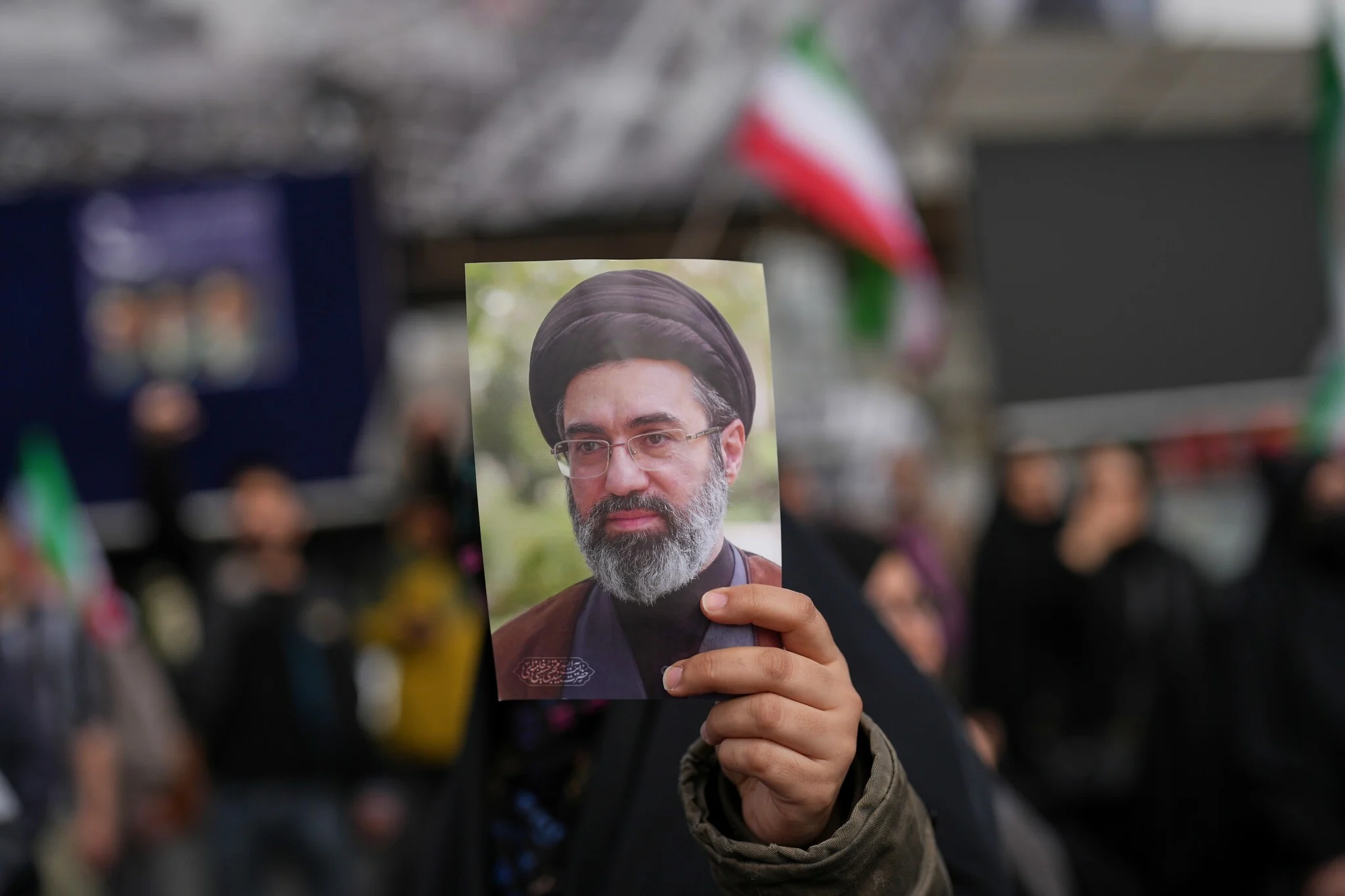
- No photo, video, or audio recording of him has been released since the attack
- His whereabouts remain undisclosed
- Iran’s UN mission did not respond to requests for clarification
One insider suggested that:
- Images or public appearances may occur within one to two months, depending on security and health conditions
Power Structure Shifts in Iran
Iran’s political system vests ultimate authority in the Supreme Leader. However, analysts suggest that Mojtaba Khamenei may not wield the same influence as his father.
Key Observations:
- Ayatollah Ruhollah Khomeini (Iran’s first Supreme Leader) held unquestioned authority
- Ayatollah Ali Khamenei spent decades consolidating power
- Mojtaba Khamenei lacks a comparable religious and political stature
Alex Vatanka, Senior Fellow at the Middle East Institute, stated:
“Mojtaba will be one voice but it will not be the decisive one.”
He added that the new leader must prove himself as a credible and dominant authority, especially during wartime.
Revolutionary Guards Gain Influence
The report highlights a growing role of the Islamic Revolutionary Guard Corps (IRGC) in shaping Iran’s strategic decisions.
- The Guards reportedly played a key role in Mojtaba’s elevation to power
- They are now seen as the dominant voice during the ongoing conflict
- Iran’s UN mission did not comment on the extent of its influence
Although Mojtaba Khamenei has longstanding ties with the Guards, experts say:
- He may continue his father’s hardline policies
- His independent worldview remains unclear
War Context and Diplomatic Pressure
The Mojtaba Khamenei injuries come at a critical time for Iran:
- Ongoing war involving the U.S. and Israel
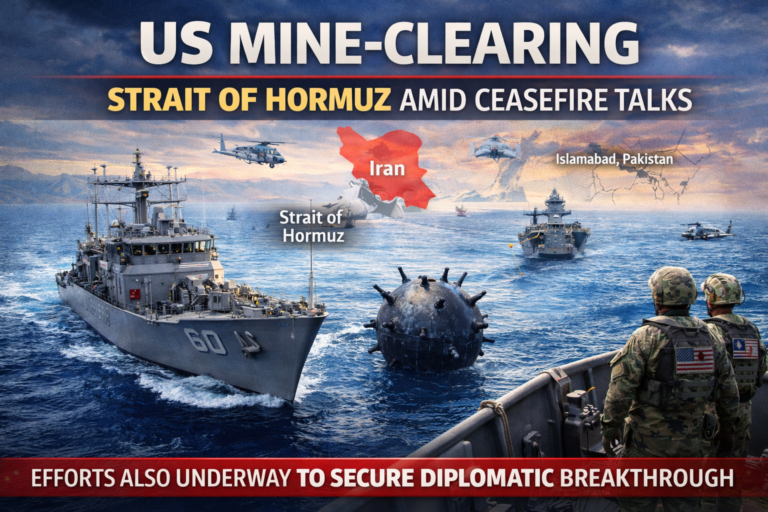
- High-stakes peace talks with Washington are scheduled in Islamabad, Pakistan
- Rising regional tensions
In his first communication as Supreme Leader on March 12:
- He called for the closure of the Strait of Hormuz
- Warned regional countries against hosting U.S. bases
Subsequent communications have been limited to written statements, including a March 20 message marking the Persian New Year as the “year of resistance.”
Public Reaction and Online Speculation
Khamenei’s prolonged absence has sparked widespread speculation across Iranian social media.
Trending reactions include:
- Viral meme: an empty chair under a spotlight with the caption “Where is Mojtaba?”
- Conspiracy theories about:
- His health condition
- Who is actually governing Iran
However, some government supporters argue that his absence is strategic.
A senior Basij militia member stated:
- It is safer for him to remain out of public view due to ongoing airstrike threats
A lower-ranking member, Mohammad Hosseini from Qom, said:
“Why should he appear in public? To become a target?”
Mojtaba Khamenei Injuries: Casualties and Family Losses
The February 28 airstrike also resulted in significant personal losses for Khamenei.
Those killed include:
- Ayatollah Ali Khamenei (his father)
- His wife
- His brother-in-law
- His sister-in-law
These details underline the severity of the attack and its impact on Iran’s leadership structure.
What We Know — And What Remains Unclear
Confirmed (via sources and statements):
- Mojtaba Khamenei was injured in a Tehran airstrike
- He sustained severe facial and leg injuries
- He remains involved in governance
Unclear:
- Exact medical condition
- Whether he lost a limb
- His current location
- Timeline for full recovery
As of now, details remain unclear, and much of the information relies on insider accounts.
Conclusion: A Leadership Under Pressure
The Mojtaba Khamenei injuries have introduced uncertainty at the highest level of Iran’s leadership during a period of war and diplomatic tension.
While he remains active behind the scenes, his physical condition, absence from public view, and evolving power dynamics raise critical questions about:
- The future of Iran’s leadership
- The role of the Revolutionary Guards
- The country’s direction in both war and diplomacy
For now, Iran appears to be navigating a fragile transition — one shaped as much by unseen leadership as by visible conflict.
About the Author