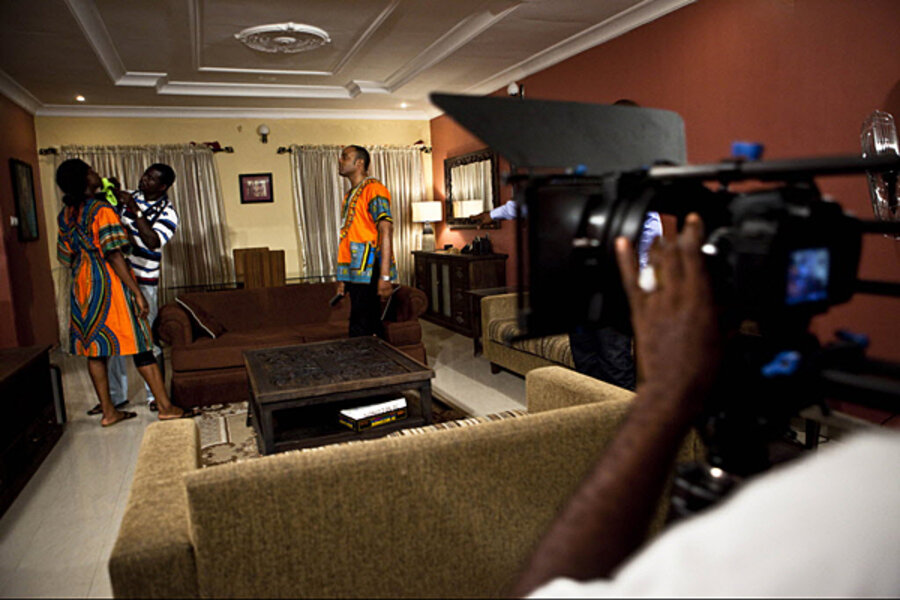
From Nollywood to Global Screens: The Evolution of Nigerian Storytelling
Introduction: From Nollywood to Global Screens in a New Era
From Nollywood to Global Screens is more than an industry shift. It is a cultural transformation. Nigerian storytelling now travels beyond VHS tapes and local markets. It streams into homes in London, Toronto, Johannesburg, and New York.
How did a grassroots film movement become a global creative force?
From Nollywood to Global Screens reflects ambition, resilience, and a hunger to tell African stories on African terms. It also reflects a global appetite for diverse narratives.
Historical Roots: From Nollywood to Global Screens Since the 1990s
To understand From Nollywood to Global Screens, we must revisit the 1990s. The release of Living in Bondage marked a turning point. Shot on video and distributed widely, it sparked a homegrown film revolution.
Pioneers like Kenneth Nnebue and actors such as Pete Edochie helped define early Nollywood. The industry grew rapidly, producing hundreds of films annually.
From Nollywood to Global Screens evolved through necessity. Limited cinema infrastructure pushed filmmakers toward direct-to-video releases. Stories focused on family drama, morality, spirituality, and urban life.
Despite technical limitations, the industry built a loyal audience across Africa and the diaspora.
Industry Transformation: From Nollywood to Global Screens in the Streaming Age
The shift from Nollywood to Global Screens accelerated with the rise of digital technology and streaming platforms. Companies like Netflix began acquiring Nigerian titles. International co-productions expanded budgets and improved production quality.
Films such as The Wedding Party and King of Boys demonstrated box office strength and storytelling sophistication.
This phase introduced:
- Higher production standards
- Global distribution networks
- Genre experimentation
- Cross-border collaborations
From Nollywood to Global Screens now includes thrillers, political dramas, romantic comedies, and historical epics.
Cultural Power: From Nollywood to Global Screens and Africa’s Image
From Nollywood to Global Screens shapes how the world sees Africa. For decades, global media portrayed the continent through narratives of conflict and poverty. Nigerian cinema presents complexity, humor, ambition, and everyday life.
Directors like Kunle Afolayan and Kemi Adetiba push cinematic boundaries. They blend African aesthetics with global techniques.
Through storytelling, From Nollywood to Global Screens reframes Africa’s identity. It exports culture, language, fashion, and music. It influences tourism and soft power.
Challenges and Opportunities: From Nollywood to Global Screens in a Competitive Market
Despite success, From Nollywood to Global Screens faces challenges:
- Funding gaps
- Piracy
- Distribution inequality
- Limited cinema infrastructure
However, opportunities continue to grow:
- Diaspora audiences expand demand.
- Film schools strengthen technical skills.
- Government grants support creative industries.
- Streaming platforms seek African content.
From Nollywood to Global Screens represents both an economic and a cultural opportunity. Nigeria’s film industry ranks among the largest globally by volume. Sustaining quality while scaling globally remains key.
Global and Local Perspectives: From Nollywood to Global Screens Across Borders
From Nollywood to Global Screens resonates differently across audiences. Locally, films reflect social debates about gender roles, politics, and class. Globally, they introduce viewers to African urban modernity.
International festivals now feature Nigerian productions. Cross-industry collaborations emerge between Nollywood and Hollywood creatives.
Yet some critics caution that global platforms may shape narratives to fit Western expectations. Balancing authenticity with commercial appeal defines the next stage of From Nollywood to Global Screens.
Future Trends: From Nollywood to Global Screens in the Next Decade
Looking ahead, From Nollywood to Global Screens will likely deepen in scale and ambition.
Future trends include:
- Big-budget historical epics
- African sci-fi and fantasy genres
- Stronger pan-African co-productions
- Expansion into animation and series
Young filmmakers use digital tools to bypass traditional gatekeepers. Social media marketing increases visibility. Artificial intelligence may influence production workflows.
From Nollywood to Global Screens could redefine Africa’s place in global cinema within a decade.
Conclusion: From Nollywood to Global Screens as Cultural Diplomacy
From Nollywood to Global Screens tells a larger story about identity and influence. Nigerian cinema has moved from local markets to international stages. It reshapes how Africa speaks and how the world listens.
The journey is unfinished. Infrastructure gaps remain. Creative tensions persist. Yet momentum continues.
Ultimately, From Nollywood to Global Screens proves that storytelling travels farther than borders. The question now is not whether Nigerian cinema belongs on the world stage. It is how boldly it will define that stage in the years ahead.
About the Author