FIFA World Cup 2026 Ticket Prices Surge to $10,990 Amid Backlash
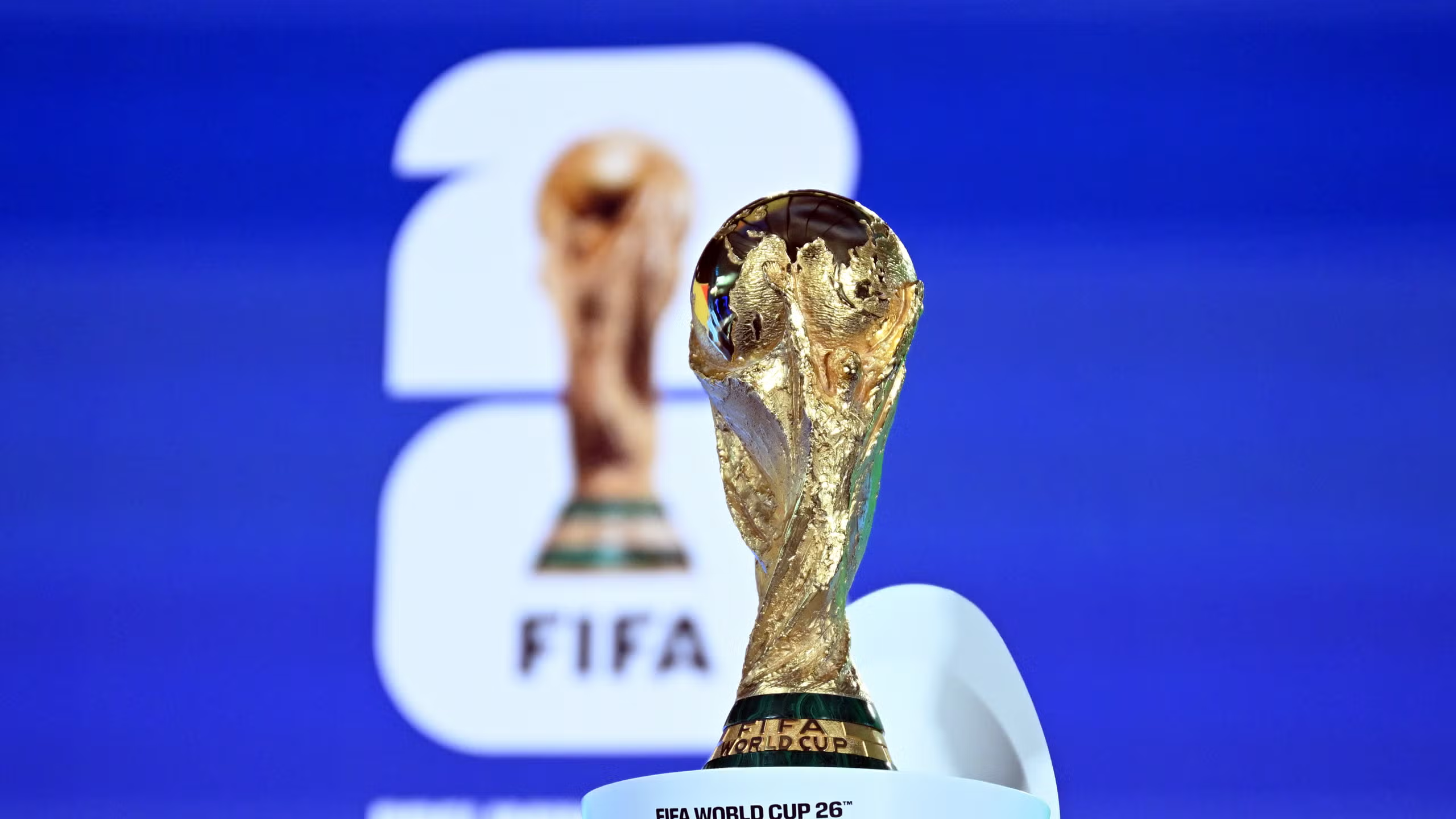
FIFA World Cup 2026 ticket prices have risen sharply, with the top ticket for the final now costing $10,990, according to a report by the Associated Press . The increase was announced during a glitch-affected reopening of ticket sales on Wednesday for the tournament scheduled to run from June 11 to July 19, 2026, across the United States, Mexico, and Canada. The final will be held at MetLife Stadium in East Rutherford, New Jersey.
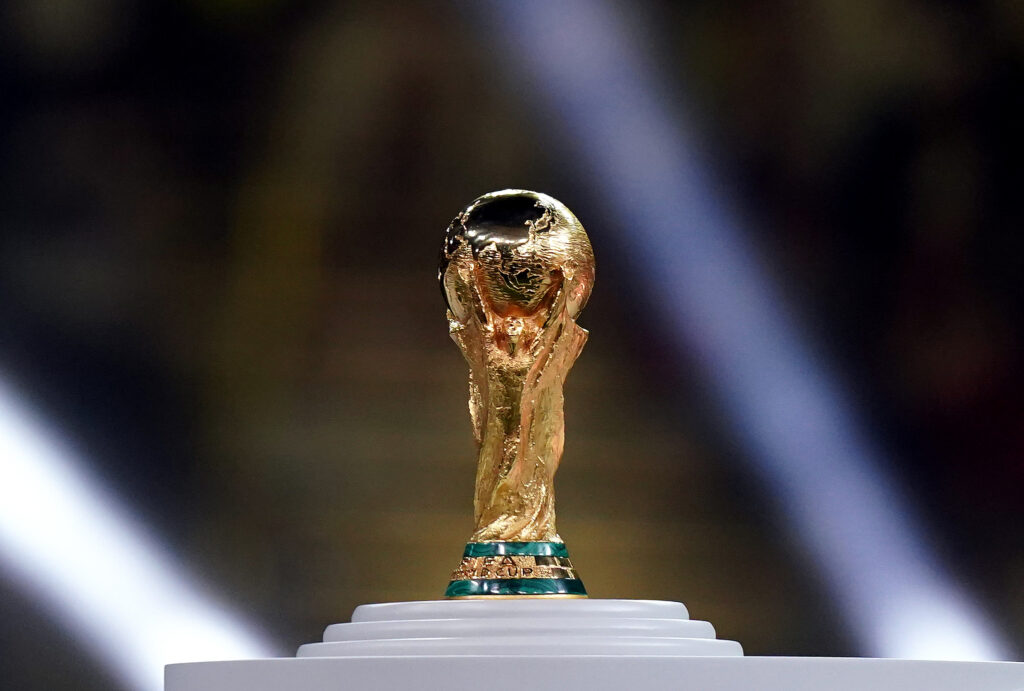
The governing body of global football confirmed that the price hike is part of its dynamic pricing model, which adjusts ticket costs based on demand. The move has sparked criticism from fans, lawmakers, and advocacy groups who argue that the tournament is becoming financially inaccessible.
Background and Context
The 2026 FIFA World Cup will be the first to feature 48 teams and will be hosted across 16 cities in three countries:
- United States: 11 host cities
- Mexico: 3 host cities
- Canada: 2 host cities
FIFA initially released tickets following the December 2025 tournament draw, with prices for the final reaching $8,680 at the time. The latest increase represents a significant jump:
- Final ticket (top category): $10,990 (up from $8,680)
- Category 2 final tickets: $7,380 (up from $5,575)
- Category 3 final tickets: $5,785 (up from $4,185)
This pricing shift comes as FIFA continues to experiment with dynamic ticketing, a system commonly used in entertainment and airline industries but less traditional in global sports tournaments.
What Happened During Ticket Sales
The latest sales phase opened at 11 a.m. EDT, but many users experienced technical issues.
According to the report:
- Fans were redirected to incorrect queues.
- Some links led to restricted sales categories.
- Entry into the FIFA ticketing platform reportedly took hours.
FIFA acknowledged the issue but said it had been resolved by midday. However, the confusion added to growing frustration among fans already concerned about rising costs.
Additionally:
- Tickets were only available for 17 of 72 group-stage matches.
- No knockout-stage tickets were listed at the time.
- FIFA confirmed that not all tickets were released, with more to come in phases
Ticket Availability and Pricing Across Matches
Ticket availability varied significantly across matches and locations:
- USA vs Paraguay (June 12, SoFi Stadium, California):
- Top ticket: $2,735 (unchanged from December)
- Mexico vs Saudi Arabia (June 11, Mexico City):
- Top ticket: $2,985 (up from $2,355)
- Canada vs Bosnia-Herzegovina (June 12, Toronto):
- Top ticket: $2,240 (up from $2,170)
No tickets were listed for several key matches, including:
- USA vs Australia (June 19, Seattle)
- USA vs Turkey (June 25, Inglewood)
This limited availability further complicated access for fans.
Key Reactions and Political Backlash
The sharp rise in FIFA World Cup 2026 ticket prices has triggered strong reactions, particularly in the United States.
A group of 69 Democratic members of Congress wrote to FIFA President Gianni Infantino on March 10, criticising the pricing model.
They stated:
- The pricing contradicts FIFA’s mission of accessibility.
- The tournament risks becoming “financially exclusionary”
- Host cities’ efforts may not benefit ordinary fans.
Fan groups have also voiced concern, with at least one filing a formal complaint to the European Commission over resale pricing practices.
FIFA’s Position and Justification
FIFA has defended its pricing strategy and broader ticketing system.
Key points from FIFA include:
- Dynamic pricing reflects market demand.
- Tickets will be released in multiple phases.
- A resale platform is available, with FIFA taking a 15% fee from both buyer and seller.
FIFA also highlighted measures to improve accessibility:
- $60 tickets allocated to each national federation
- An estimated 400–700 tickets per team per match for loyal supporters
However, critics argue that these allocations are insufficient to offset the high overall pricing.
Data, Demand, and Global Interest
FIFA President Gianni Infantino previously claimed that demand for tickets is unprecedented.
He stated in January:
- Ticket requests equalled the demand for “1,000 years of World Cups”
While this claim underscores global interest, it remains unclear how much of the demand is for lower-priced tickets versus premium categories.
Newly qualified teams for the tournament include:
- Bosnia-Herzegovina
- DR Congo
- Czech Republic
- Iraq
- Sweden
- Turkey
Fans of eliminated teams such as Italy, Poland, Denmark, Jamaica, and Bolivia may now turn to resale markets.
Global and Regional Implications
The controversy surrounding FIFA World Cup 2026 ticket prices raises broader concerns:
Accessibility
- High costs may exclude average fans.
- Travel, accommodation, and visa costs add further barriers.
Commercialisation of Football
- Increased reliance on dynamic pricing signals a shift toward profit maximisation.
- Raises questions about FIFA’s commitment to inclusivity
Legal and Regulatory Differences
- U.S. laws allow flexible resale pricing
- Some European countries enforce stricter resale controls.
This divergence could create uneven fan experiences globally.
What Happens Next
FIFA has confirmed that:
- Additional tickets will be released on a rolling basis.
- The current sales phase will continue through the tournament period.
- This is the first phase, allowing seat-specific selection, rather than category-based requests.
However, key uncertainties remain:
- Full ticket availability timeline
- Final pricing stability
- Potential policy adjustments following backlash
Details about future sales phases and allocations remain unclear.
About the Author