Cameroon Vice President Constitutional Amendment Passed, Sparks Opposition Backlash
Lead
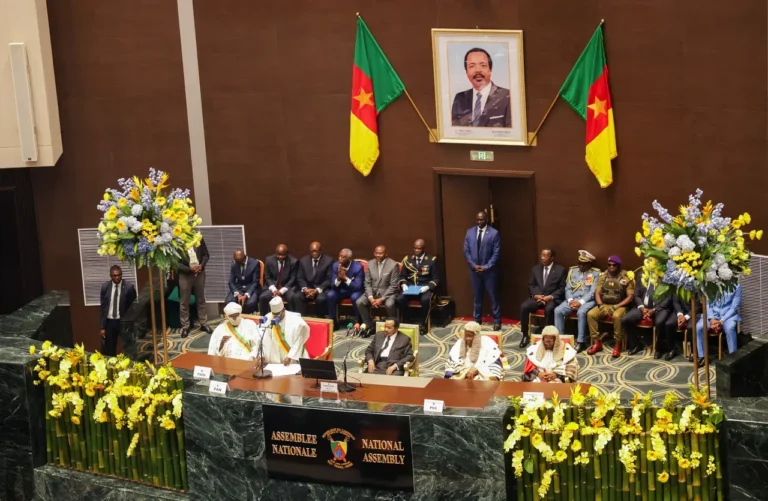
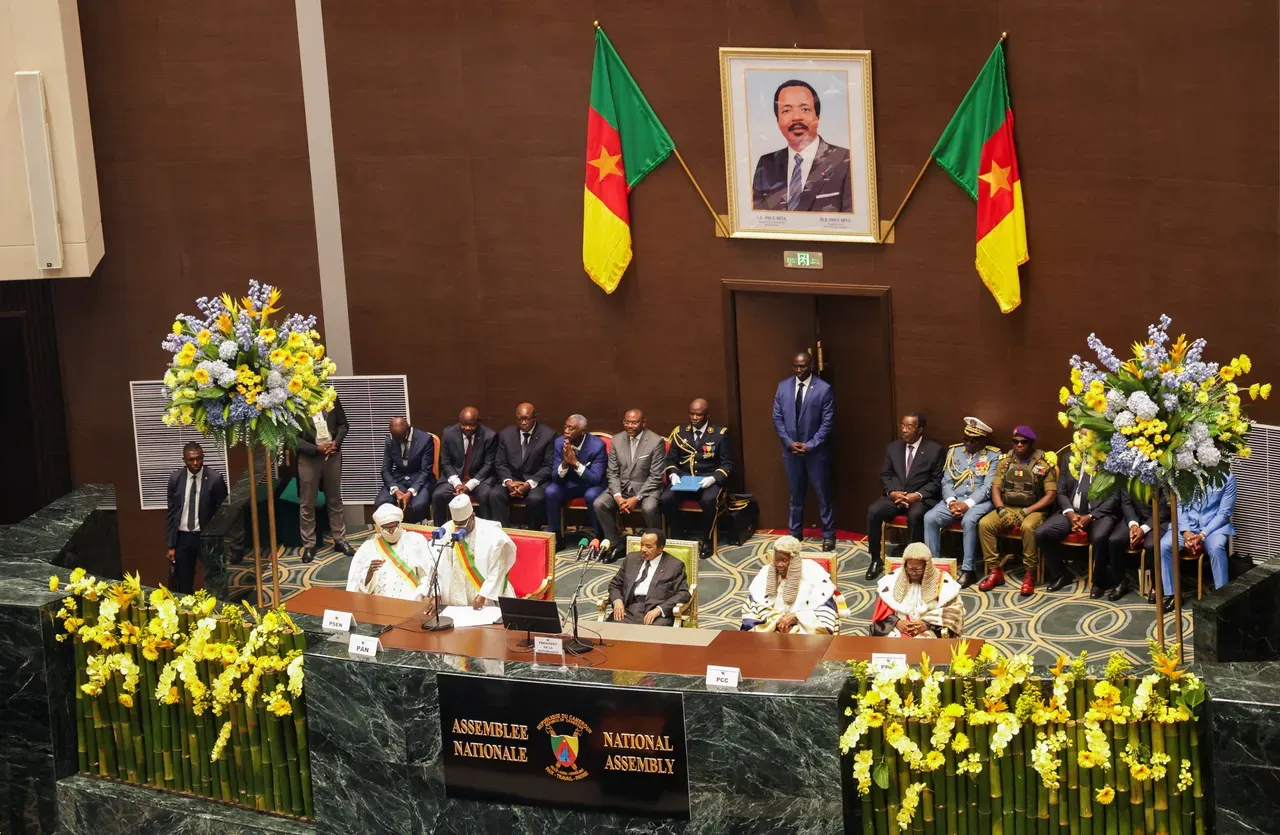
The Cameroon vice president constitutional amendment was approved by parliament in Yaoundé, Cameroon, on Saturday [exact date not specified in the original report], allowing a presidential appointee to automatically succeed President Paul Biya, 93, in the event of death, resignation, or incapacity. The reform, passed by lawmakers, has triggered strong opposition from Maurice Kamto, a veteran opposition leader, who described it as a “constitutional and institutional coup.”
Parliament Approves Controversial Succession Reform
According to the report, Cameroon’s National Assembly and Senate, dominated by the ruling party, voted 200 to 18, with four abstentions, to pass the constitutional amendment.
Key provisions of the Cameroon vice president’s constitutional amendment include:
- Creation of a vice-president position
- Appointment and dismissal of the vice president by the president
- Automatic succession without elections if the president cannot continue
- Restriction preventing the interim leader from:
- Amending the Constitution
- Contesting subsequent elections
Officials argue that the law is designed to ensure continuity of governance in the event of sudden leadership changes.
The vote took place in Yaoundé, Cameroon’s capital. The exact time of the legislative session was not specified in the original report.
Paul Biya’s Role and Political Context
President Paul Biya, who has been in power since 1982, is central to the ongoing debate.
- Age: 93
- Status: Incumbent President of Cameroon
- Recent election: Re-elected last October (year not specified in the original report)
Supporters of the Cameroon vice president’s constitutional amendment say the reform is necessary given Biya’s age and the need for institutional stability.
The president has 15 days to promulgate the bill into law.
Opposition Condemns ‘Power Grab’
Opposition figures have strongly rejected the reform.
Maurice Kamto, opposition leader, stated:
“We must prevent the political turmoil afflicting our country… We must clearly and loudly express our rejection of the ongoing constitutional and institutional coup.”
Kamto argues that:
- The amendment eliminates the need for elections in a succession scenario.
- It consolidates executive power.
- It weakens democratic institutions.
Critics also say the system allows the president to handpick a successor, raising concerns about transparency and accountability.
Government Defends Reform as Stability Measure
Government supporters insist the Cameroon vice president’s constitutional amendment is a preventive governance mechanism.
They argue that:
- It avoids a political vacuum in emergencies.
- It ensures a smooth transition of power.
- It aligns with stability-focused governance frameworks.
Officials maintain that the restrictions placed on the interim vice president—such as a ban on constitutional changes—serve as checks against the abuse of power.
Historical Context: First Major Reform Since 2008
This amendment marks Cameroon’s first major constitutional revision since 2008, when presidential term limits were removed.
- The 2008 reform led to nationwide protests.
- The current amendment revives the vice presidency that was abolished in 1972
The vice presidency previously existed before being removed through a constitutional referendum.
Analysts note that the return of the role reflects long-term structural shifts in governance planning.
Key Provisions of the Cameroon Vice President Constitutional Amendment
Structure of the Office
- Appointed directly by the president
- Serves within the president’s seven-year term
- Can be dismissed at any time
Succession Mechanism
- Automatically assumes presidency if:
- President dies
- President resigns
- The President is incapacitated.
Limitations
- Cannot run in the next election
- Cannot initiate constitutional amendments
What Different Sources Say
- According to the report, parliament overwhelmingly supported the amendment as a stability measure.
- Opposition sources, including Maurice Kamto, describe it as a power consolidation strategy.
- Some analysts suggest the reform reflects concerns over succession planning in long-standing administrations.
This could not be independently verified beyond the primary and referenced reports.
Broader Implications for Cameroon
The Cameroon vice president’s constitutional amendment raises several critical questions:
Political Stability vs Democracy
- Stability: Ensured through automatic succession
- Democracy: Potentially weakened due to a lack of elections
Institutional Balance
- Increased presidential control over succession
- Reduced role of electoral processes
Conclusion
The Cameroon vice president’s constitutional amendment represents a significant shift in the country’s governance framework. While authorities defend it as a safeguard for continuity, opposition leaders warn it could erode democratic norms and centralise power further under President Paul Biya’s administration. As the country awaits presidential assent, the reform is likely to remain a focal point in Cameroon’s political discourse.
About the Author