Bobi Wine Uganda Democracy Crisis Deepens After Opposition Leader Flees
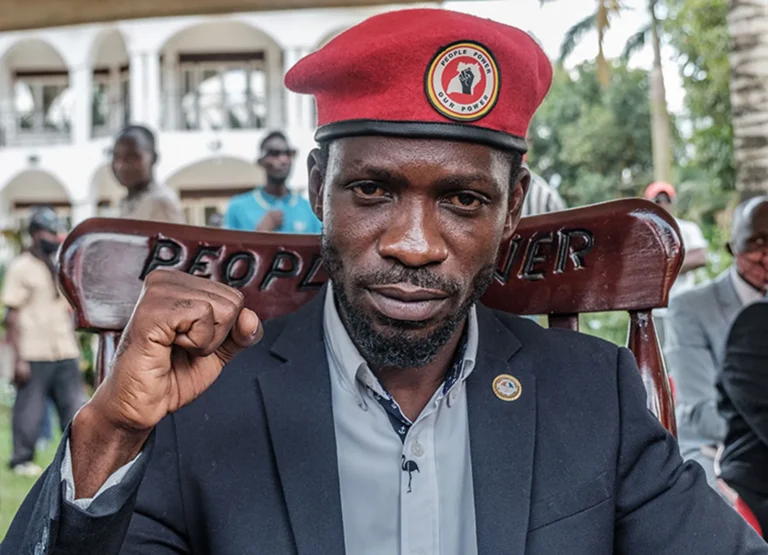
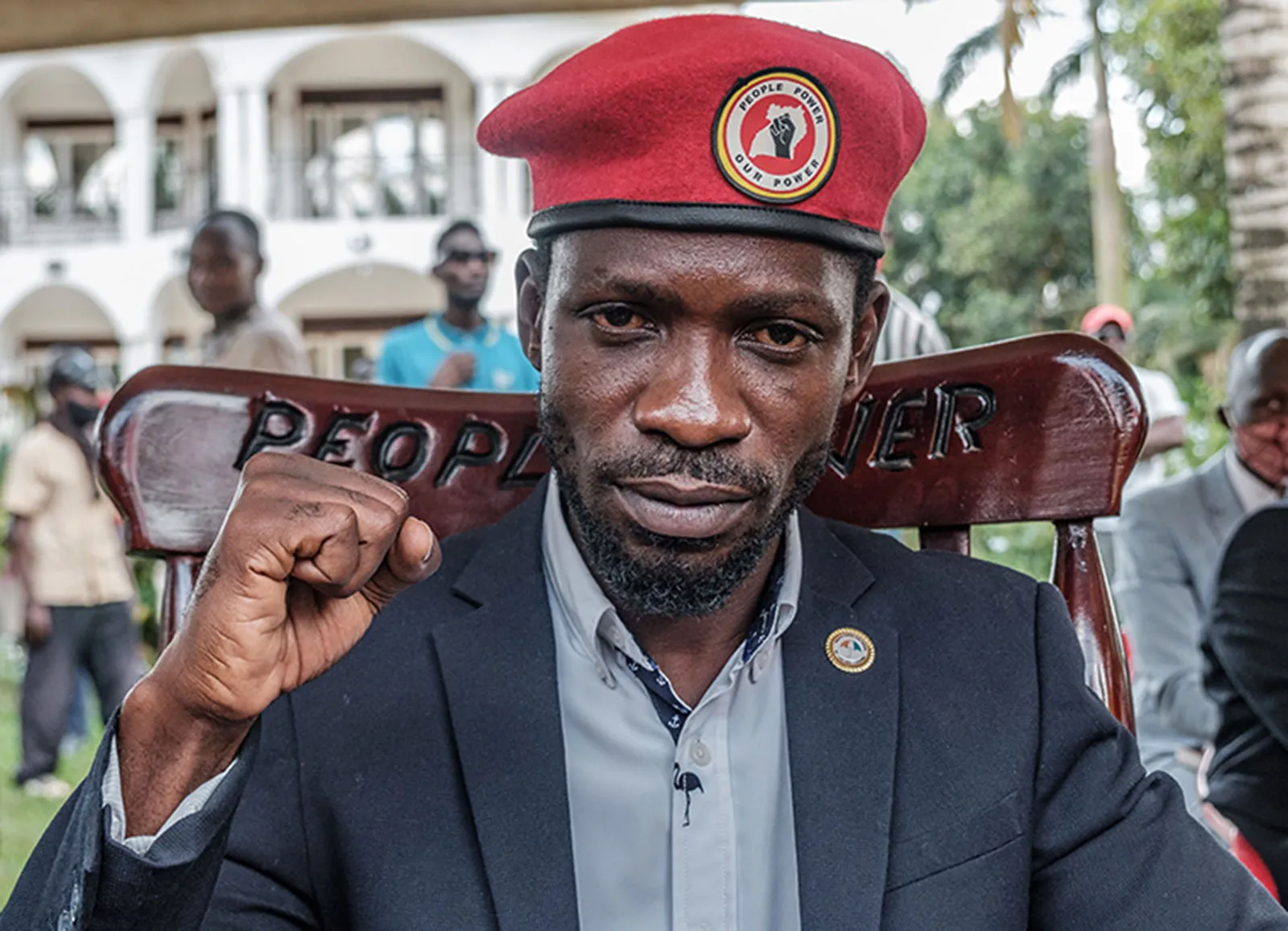
The Bobi Wine Uganda democracy crisis has escalated after opposition leader Robert Kyagulanyi Ssentamu (Bobi Wine) fled to the United States following nearly two months in hiding after Uganda’s January 2026 presidential election, which saw incumbent President Yoweri Museveni declared winner with 72% of the vote. The development has raised serious concerns about political repression, democratic constraints, and the future of opposition politics in Uganda.
According to an analysis by Kristof Titeca, Professor of International Development at the University of Antwerp, the situation underscores structural barriers within Uganda’s political system and questions whether meaningful democratic reform is achievable under the current leadership.
Uganda has been under the leadership of President Yoweri Museveni since 1986, making him one of Africa’s longest-serving heads of state. Over the years, elections in the country have repeatedly drawn criticism from international observers and human rights organizations.
The January 2026 presidential election followed a familiar pattern of contested legitimacy:
- Museveni was officially declared winner with 72% of the vote
- Opposition figures, including Bobi Wine, rejected the results
- Reports emerged of widespread repression and intimidation
Human rights organizations cited:
- Arrests of opposition supporters
- Restrictions on media coverage
- Alleged voter suppression tactics
While these claims align with patterns seen in previous elections, independent verification of all incidents remains limited, and some details could not be independently verified.
Following the election, Bobi Wine reportedly went into hiding for nearly two months, amid fears for his safety and possible arrest.
Key developments include:
- Wine avoided public appearances after the election
- Security pressure reportedly intensified around opposition figures
- He eventually fled Uganda and resurfaced in the United States
According to Titeca, Wine’s departure highlights the constraints facing opposition leaders in Uganda, particularly in navigating a system where political competition is tightly controlled.
The report suggests that his escape is symbolic of a broader democratic challenge rather than an isolated incident.
Kristof Titeca describes the current political climate as one of “controlled tensions” within Museveni’s government.
This refers to:
- Internal disagreements among ruling elites
- Differing approaches to handling opposition movements
- Strategic containment rather than open political liberalization
However, Titeca emphasizes that:
These tensions do not yet indicate a full political split within the regime.
This distinction is critical, as it suggests that while there may be internal friction, the ruling structure remains largely intact and capable of maintaining control.
Bobi Wine’s escape has triggered mixed reactions across political and civic groups:
Government Perspective
- The Museveni administration has historically portrayed Wine as an “agent of foreign interests”
- His relocation to the U.S. may reinforce this narrative among government supporters
Opposition Reactions
- Some opposition supporters see his escape as necessary for survival
- Others, particularly more radical voices, argue that:
- He should have remained in Uganda
- Even if it meant imprisonment
This divide reflects broader tensions within Uganda’s opposition movement regarding strategy and resistance.
The 2026 election outcome remains central to the Bobi Wine Uganda democracy crisis.
Key data points:
- Museveni: 72% of vote (official result)
- Election date: January 2026
- Opposition claims: repression and intimidation
Reported irregularities include:
- Security force presence at polling units
- Detention of opposition activists
- Limited access for independent observers
While these reports have been widely cited, some aspects could not be independently verified, highlighting the challenge of obtaining transparent electoral data in restrictive environments.
The situation has broader implications beyond Uganda:
For Africa
- Raises questions about democratic consolidation across the continent
- Highlights challenges faced by opposition movements in entrenched political systems
For International Relations
- Wine’s presence in the United States may:
- Increase international attention on Uganda
- Influence diplomatic engagement and pressure
For Democracy Advocacy
- Reinforces concerns about:
- Shrinking civic space
- Electoral credibility
- Political freedoms
Uganda’s trajectory remains a key case study in discussions about governance and democratic resilience in Africa.
The future of the Bobi Wine Uganda democracy crisis remains uncertain.
Key questions include:
- Will Bobi Wine continue political activities from abroad?
- Can opposition groups reorganize effectively within Uganda?
- Will internal “controlled tensions” within the regime evolve into deeper fractures?
Possible scenarios:
- Continued political stability under Museveni
- Increased international scrutiny
- Gradual shifts within ruling structures
For now, analysts suggest that meaningful political change remains constrained within the existing system, as noted by Titeca.
About the Author