Artemis II Mission Moon: Crew Captures Earth, Prepares for Historic Lunar Flyby
The Artemis II mission Moon crew—Commander Reid Wiseman, astronauts Christina Koch, Victor Glover, and Canadian astronaut Jeremy Hansen—have reached the halfway point between Earth and the Moon, NASA confirmed. The milestone occurred approximately two days, five hours, and 24 minutes after launch from the Kennedy Space Centre in Florida, United States. The Orion spacecraft was recorded at 142,000 miles (228,500 km) from Earth and 132,000 miles from the Moon, marking humanity’s first deep-space journey beyond Earth orbit since 1972.
Artemis II Mission Moon Milestone: Halfway to Lunar Orbit
According to NASA, the milestone followed a successful trans-lunar injection burn, which propelled the Orion spacecraft out of Earth’s orbit toward the Moon.
Key mission details include:
- Distance from Earth: 142,000 miles
- Distance to Moon: 132,000 miles
- Mission duration: 10 days
- Planned lunar flyby: April 6
- Expected return: April 10 (Pacific Ocean splashdown)
NASA officials confirmed that this mission is the first crewed deep-space flight since Apollo 17 in 1972.
Astronaut Christina Koch described the moment as a “collective expression of joy” among the crew when they were informed they had reached the halfway mark.
Spectacular Earth Images Captured by Artemis II Crew
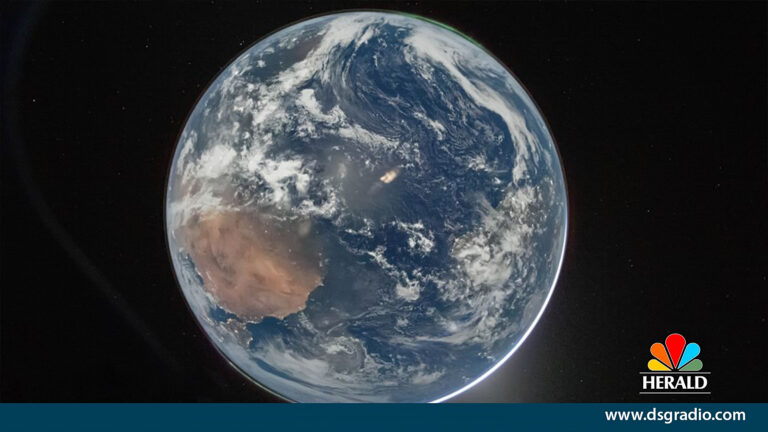
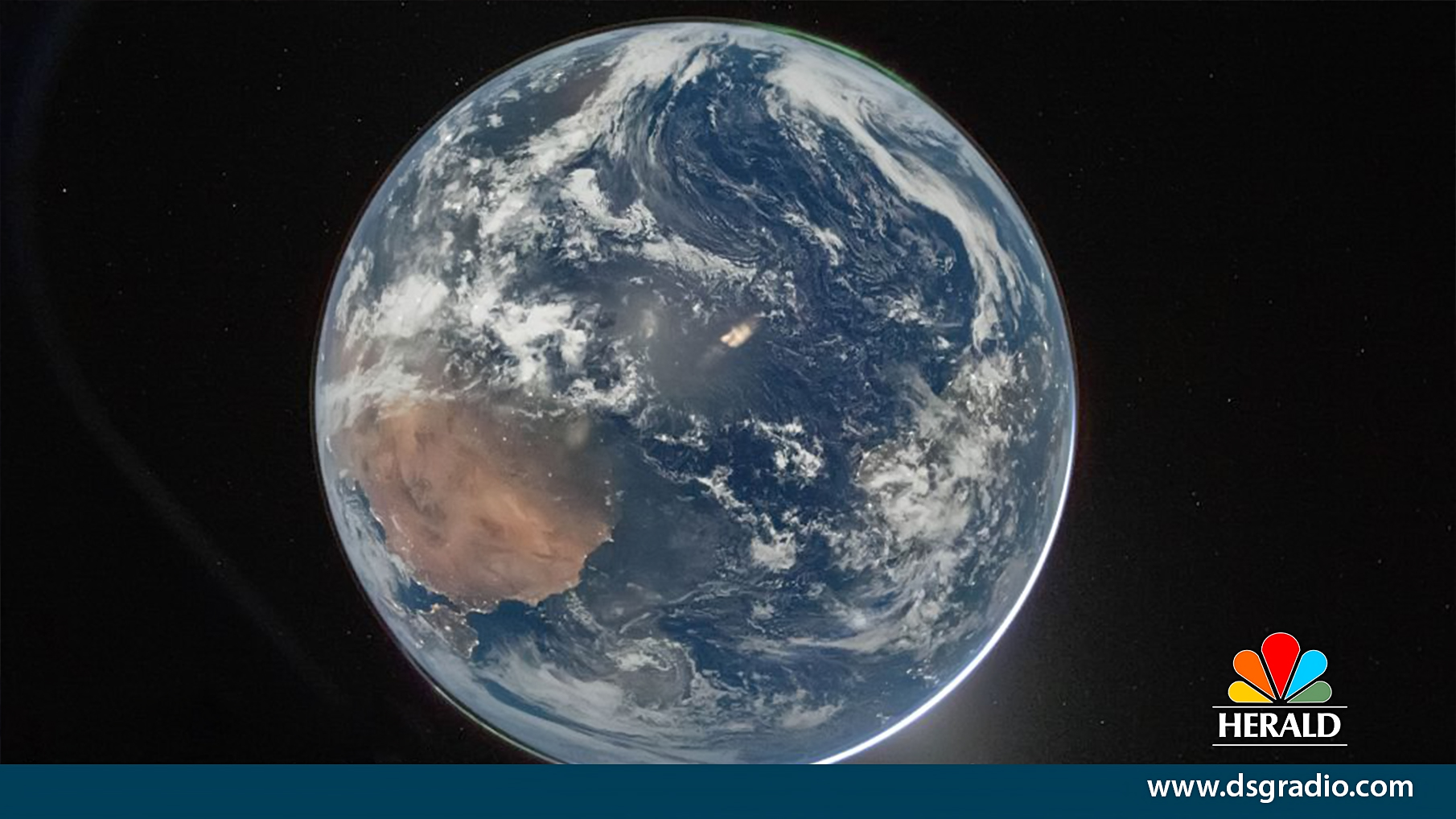
Commander Reid Wiseman captured the first high-resolution images of Earth during the mission.
The images reveal:
- The Atlantic Ocean is glowing in blue
- Auroras are visible at both poles
- Earth appears upside down.
- Visible regions including:
- Western Sahara
- Iberian Peninsula
- Eastern South America
- The planet Venus is visible in the background
NASA described one of the images titled “Hello, World” as showcasing Earth eclipsing the Sun, surrounded by atmospheric glow.
Another image displayed the “terminator” line, dividing day and night across Earth, while a separate shot showed city lights twinkling in darkness.
Jeremy Hansen told mission control the crew were “glued to the windows” capturing these views.
Artemis II Astronauts Far Side Moon Observations
The Artemis II astronauts’ experience on the far side of the Moon has introduced a new perspective never seen directly from Earth.
During an interview with NBC News, Christina Koch said:
“The darker parts just aren’t quite in the right place… It’s not the moon that I’m used to seeing.”
The crew confirmed they observed:
- The Moon’s far side, which is not visible from Earth
- Different surface patterns and lighting conditions
- A unique alignment where:
- Earth appeared in a near eclipse.
- Moon appeared in near full daylight.
Commander Wiseman described the experience as:
“Truly awe-inspiring.”
Historic Mission: First Deep Space Human Flight in 50+ Years
The Artemis II mission to the Moon marks several historic milestones:
- First human mission beyond Earth orbit since 1972
- First crewed flight of:
- NASA’s Space Launch System (SLS)
- Orion spacecraft
- Expected to break the Apollo 13 record by:
- Reaching 252,757 miles from Earth
- Surpassing Apollo 13’s 248,655 miles
NASA confirmed the spacecraft will come as close as 4,600 miles to the Moon’s surface during the flyby.
Inside the Orion Capsule: Human Life in Space
The Orion capsule has a habitable volume comparable to a camper van (16.5 feet wide).
Astronauts reported:
- Comfortable sleep conditions
- Daily routines including:
- Changing clothes
- Managing personal hygiene
- Minor technical issues:
- Email glitches
- Space toilet challenges
Koch emphasised the human side of space travel:
“We are just people trying to get by.”
Scientific Objectives and Lunar Observations
During the flyby, astronauts are expected to:
- Capture images of:
- Craters
- Ridges
- Ancient lava flows
- Study lunar geology to understand:
- Moon formation
- Early solar system history
NASA officials say the data could contribute to future missions, including Artemis III, which aims to land humans on the Moon.
Upcoming Events: Lunar Flyby and Solar Eclipse
NASA confirmed key upcoming mission events:
- Entry into lunar gravitational influence: 12:41 a.m. ET (Monday)
- Lunar flyby window:
- Starts: 2:45 p.m. ET
- Duration: 6 hours
- Maximum distance from Earth:
- 252,757 miles at 7:05 p.m. ET
- Solar eclipse from space:
- Begins: 8:35 p.m. ET
- Duration: Nearly 1 hour
During the eclipse, astronauts will observe:
- The Sun’s corona
- Possible light flashes from meteor impacts on the Moon.
Emotional Impact and Crew Reflections
Astronaut Jeremy Hansen described the mission as:
“Full of joy, happiness and disbelief… it brings you to your knees.”
Commander Wiseman highlighted a personal moment:
“Talking to my family was the greatest moment of my entire life.”
Return to Earth and Mission Conclusion
After completing the lunar flyby, the crew will:
- Spend three days returning to Earth.
- Conduct a Pacific Ocean splashdown near San Diego.
NASA confirmed the mission remains smooth overall, despite minor technical issues.
About the Author