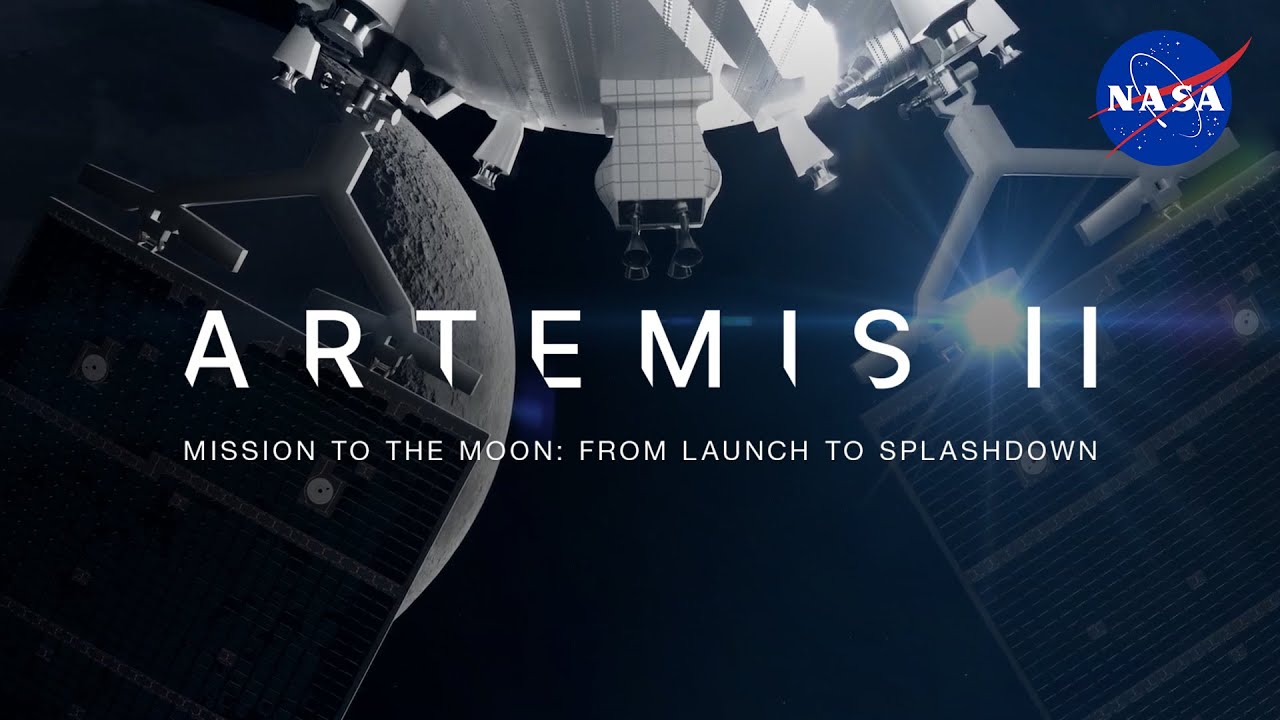
Artemis II mission prepares for crewed Moon flight.
Artemis II Mission Prepares NASA for Historic Crewed Moon Flight
The Artemis II mission is advancing as NASA accelerates preparations to send astronauts around the Moon, marking the first crewed lunar mission since 1972. The Artemis II mission is a central part of NASA’s broader Artemis program and aims to test deep space systems, human endurance, and mission readiness beyond Earth orbit. The Artemis II mission is expected to redefine modern space exploration and pave the way for future lunar landings and eventual missions to Mars.
Artemis II Mission: What NASA Is Planning
The Artemis II mission will carry astronauts aboard NASA’s Orion spacecraft on a journey around the Moon without landing. The Artemis II mission is designed as a critical test flight to evaluate life support systems, navigation, communications, and crew performance in deep space. NASA officials have emphasised that the Artemis II mission will validate systems essential to sustained human presence beyond low Earth orbit.
The Artemis II mission will:
- Send astronauts on a lunar flyby trajectory.
- Test Orion spacecraft systems under real conditions
- Evaluate crew safety and endurance in deep space.
- Provide data for future Artemis missions.
NASA has confirmed that the Artemis II mission is a necessary step before attempting a crewed lunar landing under Artemis III.
Artemis II Mission and the Return to the Moon
The Artemis II mission represents NASA’s first crewed mission beyond Earth orbit in over five decades. Since the Apollo 17 mission in 1972, no humans have travelled to the Moon. The Artemis II mission is therefore seen as a historic return to deep space exploration.
NASA Administrator Bill Nelson has previously highlighted that the Artemis II mission signals a new era of exploration. The Artemis II mission not only aims to revisit the Moon but also to establish a long-term human presence through international partnerships and technological advancements.
The Artemis II mission is also expected to:
- Strengthen global collaboration in space exploration.
- Inspire a new generation of scientists and engineers.
- Reinforce U.S. leadership in space technology.
Artemis II Mission: Testing Deep Space Systems
A major objective of the Artemis II mission is to test critical systems required for long-duration missions. The Artemis II mission will push both human and technological limits in ways not seen since the Apollo era.
Key systems under evaluation in the Artemis II mission include:
- Life support systems for extended space travel
- Radiation protection measures
- Deep space navigation and communication
- Emergency response and recovery procedures
NASA engineers have stated that the Artemis II mission will provide real-time data on how astronauts function outside Earth’s protective magnetosphere. The Artemis II mission is expected to highlight both strengths and vulnerabilities in current space systems.
Artemis II Mission and Human Endurance in Space
The Artemis II mission is not just about technology—it is also about human performance. The Artemis II mission will assess how astronauts cope with prolonged exposure to microgravity, isolation, and radiation.
Astronaut training for the Artemis II mission includes:
- Simulated deep space conditions
- Emergency drills and system failures
- Psychological endurance preparation
- Physical conditioning for long missions
NASA officials believe the Artemis II mission will help refine protocols for astronaut health and safety during longer missions, including future journeys to Mars.
Artemis II Mission as a Gateway to Mars
The Artemis II mission is widely viewed as a stepping stone toward Mars exploration. NASA has made it clear that the Artemis II mission is part of a long-term strategy to send humans to the Red Planet.
The Artemis II mission contributes to Mars goals by:
- Testing spacecraft systems for long-distance travel
- Building experience in deep space navigation
- Developing sustainable mission frameworks
Experts say the Artemis II mission will influence mission planning for decades, particularly as space agencies and private companies expand their ambitions beyond the Moon.
Artemis II Mission and Global Space Competition
The Artemis II mission comes at a time of increasing global competition in space exploration. Countries such as China and Russia are also pursuing lunar missions. The Artemis II mission reinforces NASA’s position in the global space race.
The Artemis II mission is part of a broader geopolitical and technological landscape where space exploration is tied to innovation, security, and economic growth. Analysts note that the Artemis II mission could shape international space policies and partnerships.
Artemis II Mission Timeline and Next Steps
NASA has not disclosed all final launch details, but the Artemis II mission is expected to launch during the current phase of the Artemis program. The Artemis II mission follows the uncrewed Artemis I mission, which successfully tested the Orion spacecraft.
Next steps after the Artemis II mission include:
- Artemis III crewed lunar landing.
- Development of lunar base infrastructure
- Expansion of international space collaboration
NASA officials maintain that the Artemis II mission will set the pace and determine the success of future missions.
Artemis II Mission: A Defining Moment in Space Exploration
The Artemis II mission stands as one of the most significant milestones in modern space exploration. By combining advanced technology, human endurance testing, and global collaboration, the Artemis II mission represents a bold step forward.
As NASA prepares for launch, the Artemis II mission continues to capture global attention. The Artemis II mission is expected to inspire innovation, drive scientific discovery, and redefine humanity’s relationship with space.

About the Author