Army Chief of Staff Retirement Hegseth Orders Immediate Exit of Gen. Randy George
WASHINGTON, D.C., United States — April 2026:
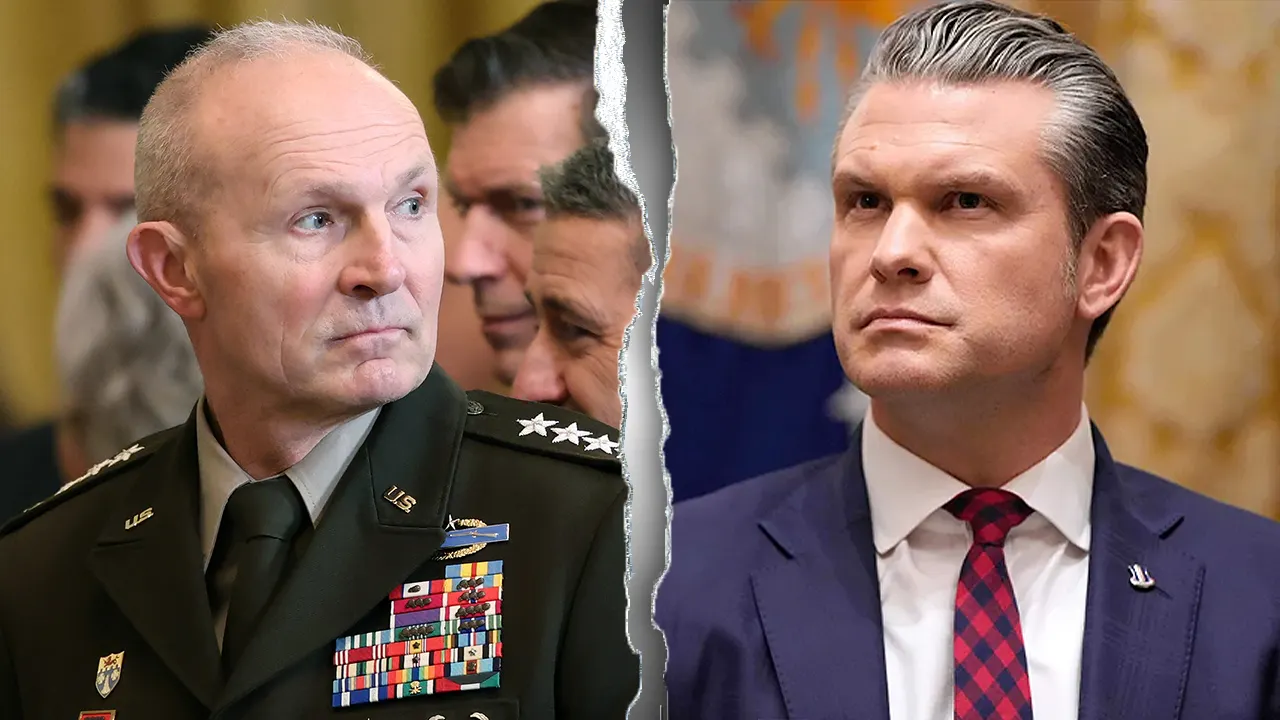
The Army Chief of Staff retirement Hegseth directive has triggered a major shakeup within the United States military after War Secretary Pete Hegseth ordered General Randy A. George, the 41st Chief of Staff of the Army, to step down with immediate effect. The decision, confirmed on Thursday, comes amid rising tensions within Pentagon leadership and signals a broader restructuring of senior military ranks.
According to the report, Hegseth personally contacted George and informed him that “it was time for a leadership change in the Army.” The directive took immediate effect, cutting short a tenure that was originally expected to run through 2027.
General Randy George, a career infantry officer with combat experience in Iraq and Afghanistan, was nominated by former President Joe Biden and confirmed by the Senate in 2023. His role placed him among the highest-ranking officers in the U.S. military, including membership in the Joint Chiefs of Staff.
However, in a sudden move:
- Hegseth requested George’s immediate retirement.
- No formal reason was provided for the decision.
- The Pentagon confirmed the retirement publicly.
- Gen. Christopher LaNeve, Vice Chief of Staff, was appointed as the acting Army chief.
Chief Pentagon spokesperson Sean Parnell stated:
“General Randy A. George will be retiring from his position as the 41st Chief of Staff of the Army effective immediately… We are grateful for his decades of service.”
An Army official told Fox News that George was not given any specific explanation for his removal.
Growing Pentagon Leadership Shakeup
The Army Chief of Staff retirement Hegseth move is part of a broader and increasingly aggressive effort to reshape U.S. military leadership.
Recent developments include:
- Removal of multiple officers from promotion lists
- Disagreements between Hegseth and Army Secretary Dan Driscoll
- White House involvement in reviewing contested promotions
- Replacement of key advisory and leadership roles
A U.S. official revealed that Hegseth intervened directly after Driscoll refused to remove certain officers from a promotion list—an unusual and significant escalation.
Tensions Between Hegseth and Army Leadership
The situation highlights deepening friction between civilian leadership and military command structures.
Key points of tension:
- Dispute over officer promotions
- Differences in leadership philosophy
- Push for what the Pentagon described as “meritocracy”
- Concerns from critics over politicization of military appointments
The disagreement reportedly drew attention from the White House, which plays a role in approving senior military promotions before Senate confirmation.
Wider Military Leadership Changes
The Army Chief of Staff retirement Hegseth directive is not an isolated case. It follows a series of high-profile removals across the U.S. armed forces:
- Gen. Charles Q. Brown Jr., former Chairman of the Joint Chiefs of Staff, was removed
- Adm. Lisa Franchetti, Chief of Naval Operations, was pushed out
- Senior advisory roles were reassigned to individuals aligned with current leadership
- Lt. Gen. Jennifer Short was removed from a key advisory position
Additionally, earlier in 2026:
- The Army’s vice chief of staff position was replaced
- Several senior officers were sidelined or reassigned
These moves indicate a deliberate restructuring strategy aimed at consolidating leadership control.
Strategic and Institutional Implications
The Army Chief of Staff retirement Hegseth development raises critical questions about military stability, leadership continuity, and civil-military relations in the United States.
Key implications include:
- Operational Stability: Sudden leadership changes could affect military readiness, especially during ongoing conflict involving Iran
- Institutional Confidence: Frequent removals may impact morale within senior ranks
- Political Oversight: Increased civilian intervention could reshape how military leadership decisions are made
- Global Perception: Allies and adversaries may interpret the shakeup as either reform or instability
Military analysts note that such rapid restructuring is rare and typically occurs during major strategic transitions or political shifts.
What Happens Next
With Gen. Randy George’s departure now effective, attention shifts to:
- The potential appointment of a permanent Army Chief of Staff
- Senate confirmation processes for future leadership roles
- Continued Pentagon restructuring under Hegseth
- Monitoring of tensions between military and civilian leadership
Gen. Christopher LaNeve’s interim leadership will likely focus on maintaining operational continuity while broader leadership decisions are finalised.
About the Author