Artemis II Mission Update: Safe Return Confirmed
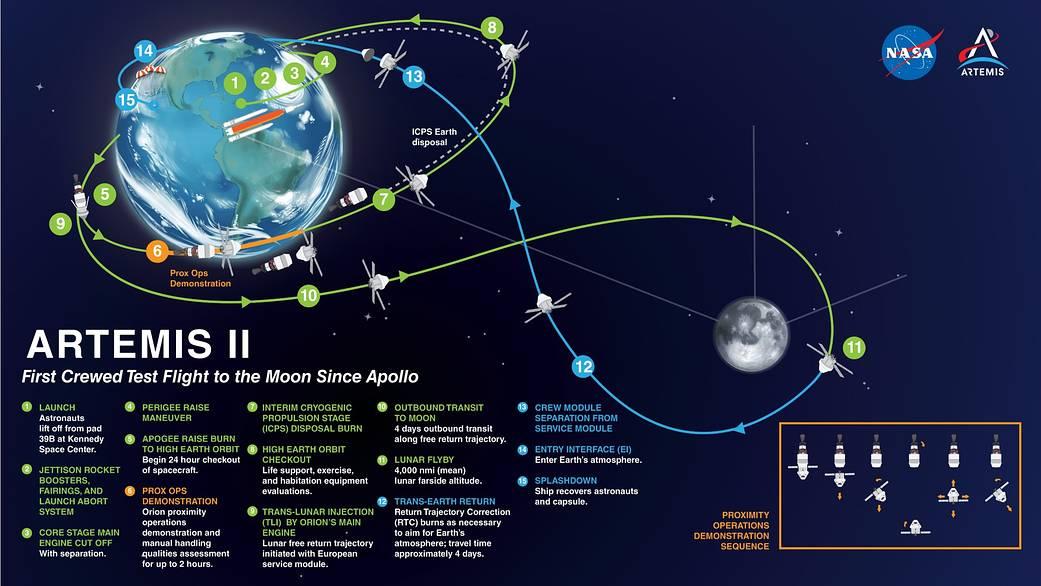
NASA’s Artemis II mission has successfully concluded, with the Orion spacecraft safely splashing down in the Pacific Ocean after completing a historic journey around the Moon.
Mission controllers confirmed that the spacecraft completed its return trajectory and executed a controlled re-entry into Earth’s atmosphere, marking the end of humanity’s first crewed deep-space mission in more than five decades.
The mission has now transitioned from active flight operations to recovery and post-mission analysis.
Key Highlights from Mission Completion
Artemis II mission: Successful Lunar Flyby Achieved
Artemis II astronauts successfully navigated around the far side of the Moon, completing one of the mission’s most complex and critical manoeuvres. During this phase:
- The crew experienced a temporary communications blackout
- The spacecraft conducted key navigation and imaging operations
- NASA confirmed stable flight performance throughout
Historic Distance Record Set
NASA confirmed that Artemis II astronauts traveled farther from Earth than any human mission in history, surpassing records set during the Apollo era.
This milestone reinforces the mission’s significance as a major step toward sustained human exploration beyond low-Earth orbit.
Re-entry and Splashdown Successfully Completed
The Orion spacecraft has now safely re-entered Earth’s atmosphere and completed a controlled splashdown in the Pacific Ocean.
During re-entry:
- The spacecraft endured extreme temperatures of up to approximately 2,800°C
- A temporary communication blackout occurred as expected
- The heat shield performed as designed under deep-space return conditions
Recovery teams, including U.S. Navy personnel, successfully moved to retrieve the astronauts and secure the Orion capsule.
Data and Mission Systems Performance
NASA continues to receive and analyse data collected throughout the mission, including:
- High-resolution imagery of the Moon’s far side
- “Earthset” visuals captured from deep space
- Spacecraft performance and environmental data
All major onboard systems operated within expected parameters, with no critical issues reported.
Why Artemis II Matters Now
Artemis II Mission is more than a successful mission — it is a defining moment for the future of human space exploration.
The mission has:
- Demonstrated NASA’s capability to safely send humans beyond low-Earth orbit
- Validated critical systems required for deep-space travel
- Laid the foundation for Artemis III, which aims to land astronauts on the Moon
This success also reinforces the United States’ position in the evolving global space race.
Artemis II Mission: Global and Scientific Implications
The successful completion of Artemis II carries significant implications for:
- International collaboration in space exploration
- Growth of the commercial space sector
- Expanded scientific research beyond Earth orbit
For Africa and other emerging space regions, the mission highlights increasing opportunities to engage in the global space economy.
Conclusion
With a successful splashdown, Artemis II has completed a mission that redefines human space exploration in the modern era.
From lunar flyby to safe return, the mission demonstrates that humans can once again travel deep into space — and come back safely.
Attention now shifts to the next phase of the Artemis program, as NASA prepares for future missions that aim to return humans to the surface of the Moon.
About the Author